π0.7: The Robot Brain Learns Anything
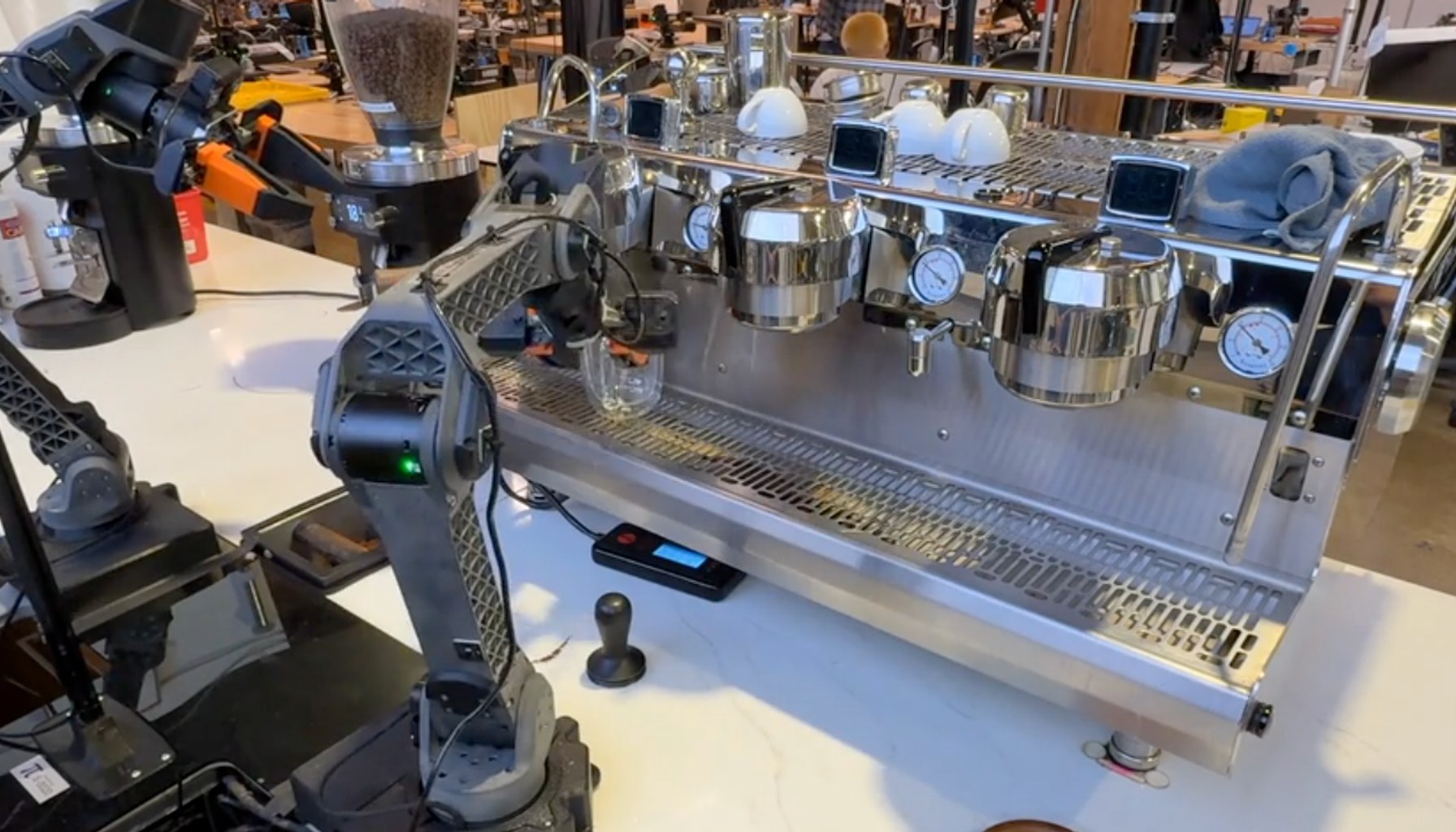
It learns on the job—without a manual.
Physical Intelligence, a hot robotics startup, is pushing a provocative claim: its new robot brain, π0.7, can figure out tasks it was never taught. The company positions the model as an early but meaningful step toward a general-purpose robot brain that can adapt to unfamiliar work without reprogramming. Demonstration coverage in TechCrunch frames π0.7 as a software brain intended to sit on top of robot bodies, rather than a fully realized humanoid platform with all subsystems shown off in one unbroken demo. The technical specifics, however, are deliberately sparse: no disclosed DOF counts, no explicit payload numbers, and no detailed power, runtime, or charging requirements.
From a domain perspective, that paucity is itself telling. A true general-purpose robot brain would need to map perception, action, planning, and learning across a broad set of bodies and environments. In practice, that means compressing sensor streams into robust representations, selecting safe and reliable action plans in real time, and learning from sparse supervision — all while guarding against dangerous or brittle behavior when the task distribution shifts. π0.7 is positioned as a software-centric advance, but the article emphasizes its ability to infer or re-use learned strategies for tasks it wasn’t explicitly taught. That’s the hallmark of “zero-shot” or few-shot generalization in robotics, a capability the field has chased for years with mixed success.
Two important caveats come through in the coverage. First, the lack of concrete hardware specs makes it hard to assess real-world viability. Without explicit degrees of freedom (DOF) counts, payload limits, or a clear power/thermal plan, it’s impossible to judge how easily π0.7 would slot into existing humanoid platforms or how long it could run between charges on any given actuator stack. In addition, the release frames π0.7 as an early milestone rather than field-ready equipment. That language suggests a lab or lab-like controlled-environment demonstration rather than deployment in dynamic workplaces or populated homes.
With those caveats in mind, what does this proposal mean for the broader industry? Here are practitioner-relevant takeaways:
Power, runtime, and charging remain opaque. Those three parameters often decide whether a platform can be deployed in a real workplace or home. Until a clearer disclosure lands, π0.7’s practical readiness remains a matter of interpretation rather than a verifiable spec sheet.
In sum, π0.7 embodies the industry’s hopeful pragmatism: a software brain that purports to generalize beyond training data. It’s a meaningful ideation milestone, not a turnkey solution. If Physical Intelligence can translate this brain into robust, safe, and energy-conscious performance on real humanoid bodies, with clear benchmarks and transparent specs, it will have earned the next wave of trust—and the next round of capital.
- Physical Intelligence, a hot robotics startup, says its new robot brain can figure out tasks it was never taughttechcrunch.com / Source role not classified / Published APR 16, 2026 / Accessed APR 16, 2026