Accenture bets AI-powered robots from pilot to production
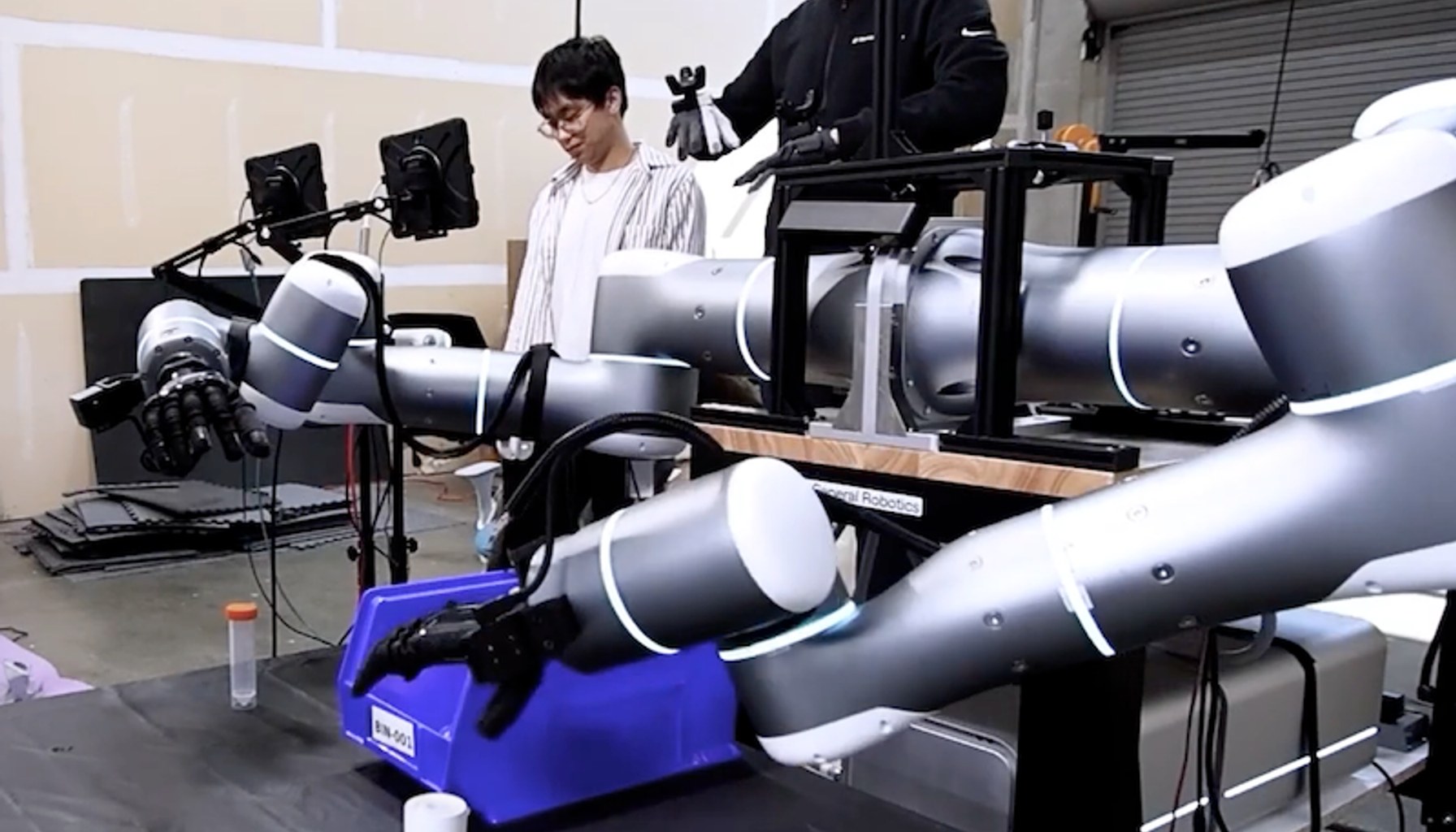
Accenture Ventures’ latest move gears the automation market toward production-ready, AI-native robotics, funding General Robotics to push “physical AI” into manufacturing and logistics.
In a move the industry will read as a signal, Accenture announced an investment through Accenture Ventures in General Robotics on April 15, 2026. The goal: accelerate adoption of general-purpose robotic intelligence that can be deployed across robot forms, with any AI, for any task. In plain terms, it’s not a single-use cobot ring-fenced to one job. It’s a platform play aimed at turning pilots into sustained deployments, with the promise of rapid reconfiguration as production lines evolve.
General Robotics describes its technology as “general-purpose robotic intelligence” designed to let organizations rapidly deploy and continuously adapt robots of any form for any task. The arrangement with Accenture isn’t just funding; it’s a joint go-to-market and deployment collaboration intended to help manufacturers and logistics operators plug AI-native robotics into real production environments. That distinction—platform capability over point solutions—matters to operations leaders who have watched vendors woo with demos only to see weeks or months of real-world integration and tuning follow.
From a floor-level perspective, the implications are twofold. First, the platform ethos promises speed: once a common data interface and task library are established, changes to the task portfolio can be addressed with software updates rather than new hardware builds. Second, it shifts some risk toward the broader system, because real savings require tight integration with existing plant controls, MES, and ERP ecosystems. Integration teams report that the big lift isn’t the robot itself but the orchestration—safe interfaces with PLCs, robust network topology, and clear governance around what the AI can control on a live line.
Industry observers see this as a prudent evolution of automation investments. The ROI, they say, will hinge on disciplined program management: standardizing a task taxonomy so that a “robot for any task” doesn’t become a new form of spaghetti in the factory. Floor supervisors confirm that without shared data models and interoperability standards, the promise of rapid adaptation collapses into incremental, bespoke projects that never scale. In other words, the platform has to be married to a disciplined deployment playbook.
Two to four practitioner insights emerge from early deployments and market chatter. One, platform-based robotics can reduce the cycle time to scale a solution across multiple lines, but only if the organization codifies interfaces and data exchange upfront. Two, integration requirements—floor space, power provisioning, network resiliency, and operator training hours—remain non-trivial and frequently under-budgeted in early business cases. Three, human workers remain essential for tasks that require nuanced judgment, safety oversight, and exception handling; robots can take the repetitive loads, but the line still needs skilled operators to manage edge cases. Four, vendors’ promises of “seamless” deployment should be tempered with realistic timelines and contingencies for cybersecurity, data governance, and potential vendor lock-in. The smart play is to treat the platform as a backbone for continuous improvement, not a one-and-done plug-and-play.
In the broader arc of manufacturing tech, this is a notable inflection. The pairing of Accenture’s industrial experience with General Robotics’ platform approach puts a premium on integration discipline, not just clever AI. If executed well, manufacturers could move from sporadic pilots to repeatable, scalable automation that adapts as product mixes shift and demand cycles tighten.
- Accenture invests in General Robotics to advance physical AI-powered robotics in manufacturing and logisticsroboticsandautomationnews.com / Source role not classified / Published APR 15, 2026 / Accessed APR 15, 2026