AI in Radiology: Enhancing Jobs, Not Replacing Them
By Jordan Vale
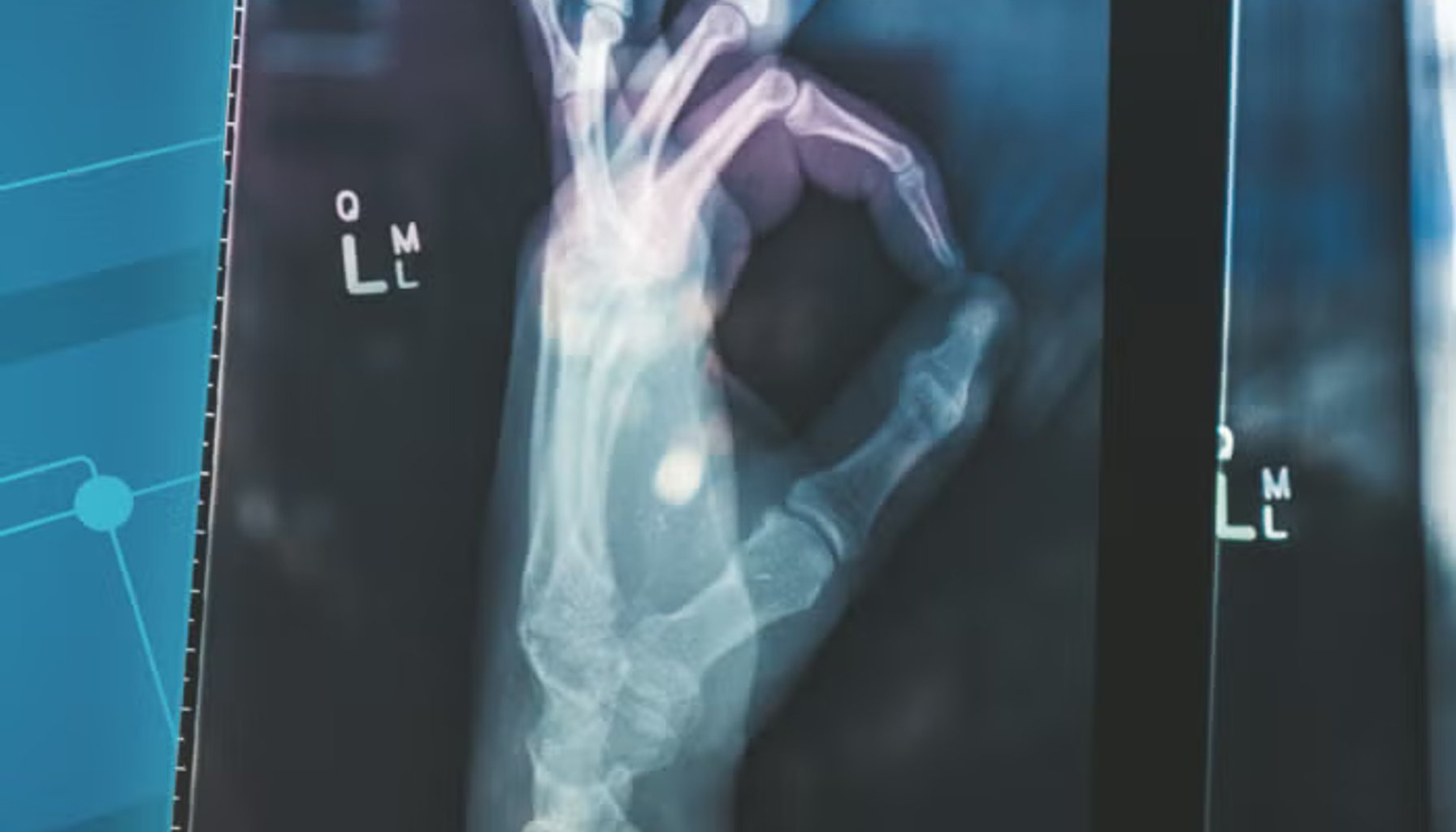
Image / cset.georgetown.edu
AI won't take your job—at least, not if you're a radiologist. Recent insights reveal that artificial intelligence is not just coexisting with human professionals in this field; it's actively boosting their productivity and increasing demand for their expertise.
According to CSET’s Jack Karsten, AI applications in radiology serve as a compelling case study for the broader workforce implications of automation technology. Karsten emphasizes that rather than displacing radiologists, AI tools are enabling them to handle more cases efficiently and effectively. “AI is not only not replacing those workers, but it’s actually increasing the amount of work they can do and increasing demand for their services,” he stated.
The integration of AI into radiology exemplifies a nuanced narrative in the ongoing debate about the impact of technology on employment. Historically, fears around automation have centered on the potential for job loss, but in this instance, the technology is providing a lifeline. AI algorithms assist radiologists by rapidly analyzing imaging data, flagging anomalies, and even prioritizing cases based on urgency. This support allows radiologists to focus on complex interpretations and patient interactions—areas where human judgment remains crucial.
However, the dynamics at play are multifaceted. While AI enhances productivity, it also raises questions about the skills required for future radiologists. As AI systems become more prevalent, aspiring professionals will need to cultivate not only diagnostic skills but also a strong understanding of the technologies that augment their work. This shift could lead to a redefinition of medical training programs, emphasizing interdisciplinary knowledge that marries healthcare with technology.
What’s more, the economic implications are significant. Increased efficiency in radiology could lead to shorter patient wait times, better diagnostic accuracy, and ultimately, improved patient outcomes. This is particularly vital in a healthcare landscape strained by workforce shortages and rising demand for medical imaging services.
Despite the optimistic outlook, stakeholders must remain vigilant. The potential for over-reliance on AI raises ethical and regulatory considerations. Questions about accountability in diagnostic errors or biases present in training data remain unresolved. Policymakers and industry leaders need to collaborate to ensure that AI tools are deployed responsibly, with robust oversight to safeguard patient care.
### What we’re watching next in other:
Sources
Newsletter
The Robotics Briefing
Weekly intelligence on automation, regulation, and investment trends - crafted for operators, researchers, and policy leaders.
No spam. Unsubscribe anytime. Read our privacy policy for details.