AI Priorities: The 10 Things That Matter Now
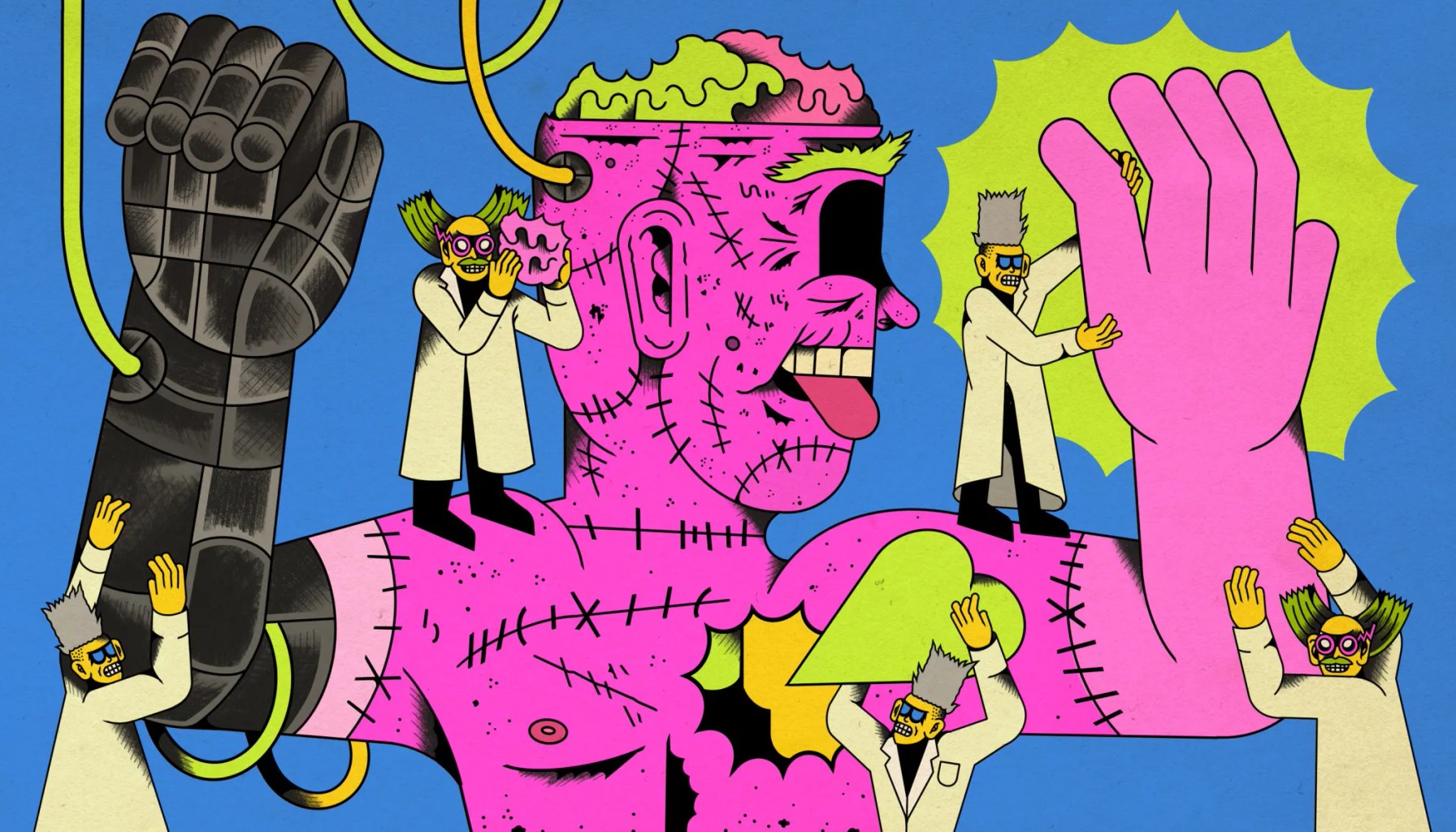
One list is shaping AI's next sprint.
The Download, MIT Technology Review’s brisk daily digest, has distilled years of newsroom analysis into a single, ambitious guide: the 10 Things That Matter in AI Right Now. It isn’t a hype wave or a treasure map to the next unicorn; it’s a compass for teams trying to decide where to spend time, money, and risk as models scale, data strategies tighten, and regulators sharpen their pencils. In a moment when every launch is loud but not always durable, this is the kind of synthesis that product leaders actually need.
The core message is surprisingly pragmatic: bigger models are not the only lever. What matters now sits at the intersection of governance, data quality, evaluation, and the real-world costs of running AI at scale. You can hear it in the push for safer alignment and clearer incident protocols, the insistence on provenance and data hygiene, and the recognition that public benchmarks don’t always predict how a system behaves in the wild. The list also leans into the economics of AI—how compute, data labeling, and model maintenance shape what teams can deliver on time and with reasonable risk.
For practitioners, the takeaway is simple but powerful. First, data is still king. A polished model behind a shaky data foundation will stumble in production and drift faster than you can patch the repo. Second, evaluation is not a badge of honor but a safety feature: you need evaluation that mirrors user behavior, production drift, and safety constraints, not just leaderboard scores. Third, governance and safety can’t be bolted on late in the cycle; they must be part of the design, from data contracts to monitoring dashboards and transparent fail-safes. And fourth, the cost of operation—both in dollars and in organizational risk—will constrain what teams ship this quarter, not just what they can train this quarter.
If you’re racing to ship, what does this mean in concrete terms? Expect product teams to tilt toward safer defaults and better guardrails, not just more impressive metrics. Guardrails include system-level protections, improved prompt and policy controls, and stronger telemetry so you can spot subtle misalignment before a user encounter becomes a incident. Data pipelines will be engineered for traceability and recourse: every training batch should have a provenance trail, and drift must be detectable with automated alerts. Teams will favor modularity over monoliths—fine-tuning and adapters over re-architecting whole models—so you can swap in safer components without ripping the entire stack. And because the economic reality is unforgiving, the most resilient products will combine smaller, well-tuned models with robust retrieval, context windows, and offload to specialized services when appropriate, rather than chasing the latest colossal model for every problem.
A vivid way to frame it: building AI right now is like crafting a car that’s fast, safe, and reliable in all weather. You can pour money into horsepower, but without brakes, traction control, and a thoughtful routing map, you’re not actually going anywhere useful. The list’s emphasis on data integrity, evaluation fidelity, and governance is the braking system and weather-appropriate tires that keep a fast car from careening off the track.
Limitations will be real. The landscape remains noisy: hype cycles, shifting regulatory expectations, and the tension between openness and safety. The 10 Things That Matter aren’t a bench scorecard; they’re a decision framework that helps teams decide what to invest in now, what to test next, and where to accept short-term risk for long-term reliability.
For companies planning Q2 shipping, the implication is clear: bake safety and data discipline into your roadmap, invest in end-to-end observability, and design products around robust, maintainable ML operations rather than heroic, one-off breakthroughs.
- The Download: introducing the 10 Things That Matter in AI Right Nowtechnologyreview.com / Source role not classified / Published APR 22, 2026 / Accessed APR 22, 2026