AI Regulation Just Got Real: Compliance Deadlines Loom
By Jordan Vale
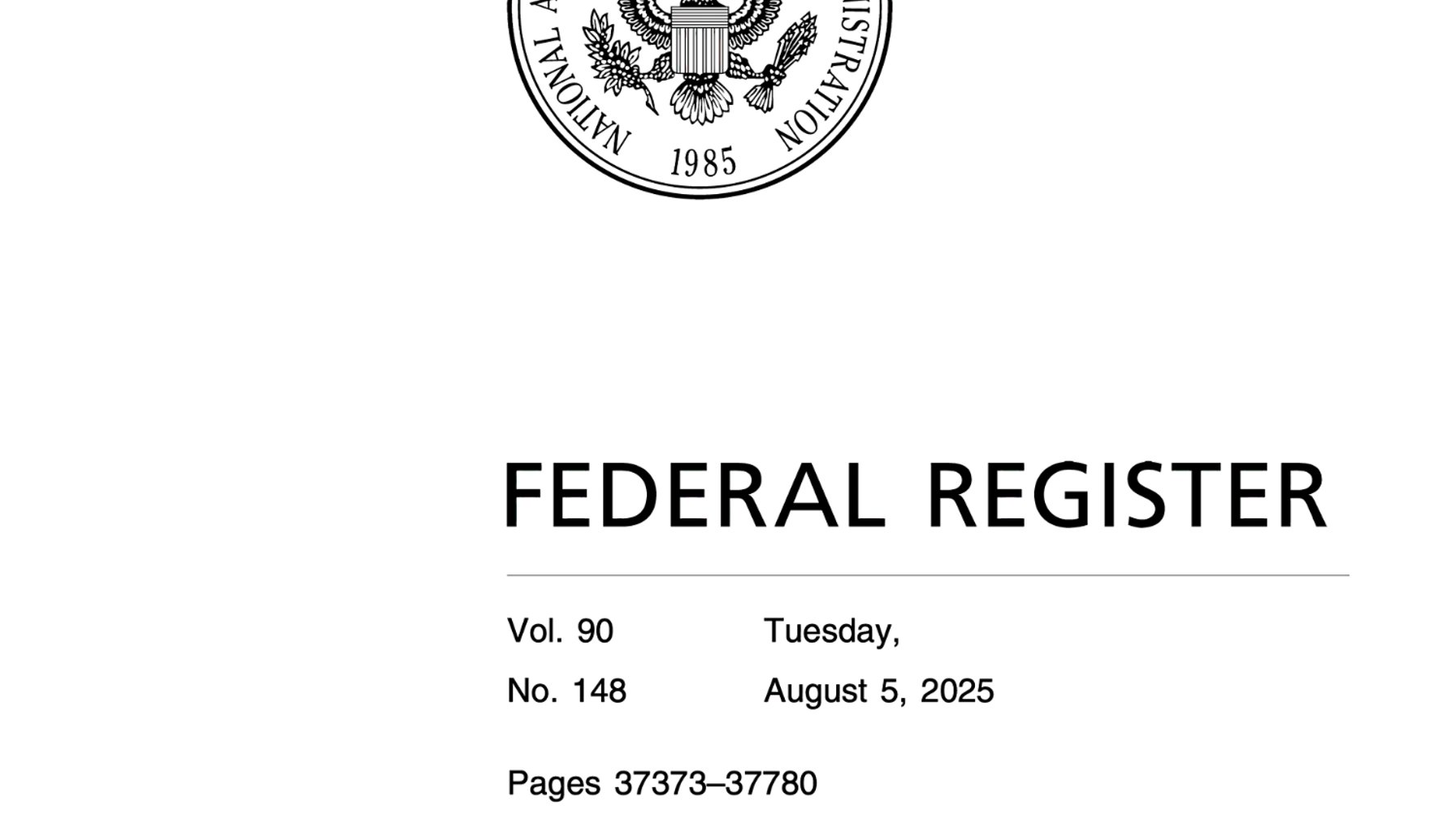
Image / Unknown authorUnknown author (Public domain) via Wikimedia Commons
The clock is ticking: AI systems in the U.S. now face a regulatory overhaul that requires compliance with new standards by March 2025.
The Federal Register has unveiled a series of proposed regulations aimed at governing the deployment and development of artificial intelligence technologies, a move that aims to address growing concerns about bias, transparency, and accountability in AI systems. This comprehensive regulatory framework will impact technology developers, businesses, and public entities alike, as they scramble to meet the upcoming deadlines.
The proposed regulations, which include provisions for risk assessment, algorithmic accountability, and user transparency, signify a critical shift in how AI technologies will be developed and used across various sectors. Policy documents show that the new rules will require organizations deploying AI to conduct thorough assessments of their technologies, particularly those considered high-risk, such as facial recognition and algorithmic decision-making tools in sensitive areas like healthcare and hiring.
Compliance guidance states that entities must not only evaluate their systems for potential biases but also document their findings and make them available for audit by regulatory bodies. Failure to comply with these regulations could result in substantial fines, with penalties reaching up to $10 million per violation, depending on the severity of the infringement.
Importantly, the regulations will apply broadly, encompassing both private and public sector organizations that develop or utilize AI technologies. However, there are exemptions for small businesses and startups, which will have an additional six months to comply with the requirements after the initial deadline. Legislative text confirms that the regulations are designed to level the playing field and ensure that even smaller players in the market adhere to ethical standards without stifling innovation.
So, what does this mean for the average citizen? The increased scrutiny and regulation of AI technologies are likely to lead to more reliable and fair systems that impact daily life—ranging from hiring practices to healthcare diagnostics. The push for transparency will help ensure that consumers can trust AI-driven decisions.
However, as with any regulatory initiative, the implementation phase will be crucial. Industry experts caution that organizations must invest not only in compliance measures but also in understanding the implications of these new standards. The potential for legal ambiguities and varying interpretations of compliance requirements could lead to challenges down the line.
What we’re watching next in other:
Sources
Newsletter
The Robotics Briefing
Weekly intelligence on automation, regulation, and investment trends - crafted for operators, researchers, and policy leaders.
No spam. Unsubscribe anytime. Read our privacy policy for details.