Amazon Price History Now Includes Last Year for Prime Day
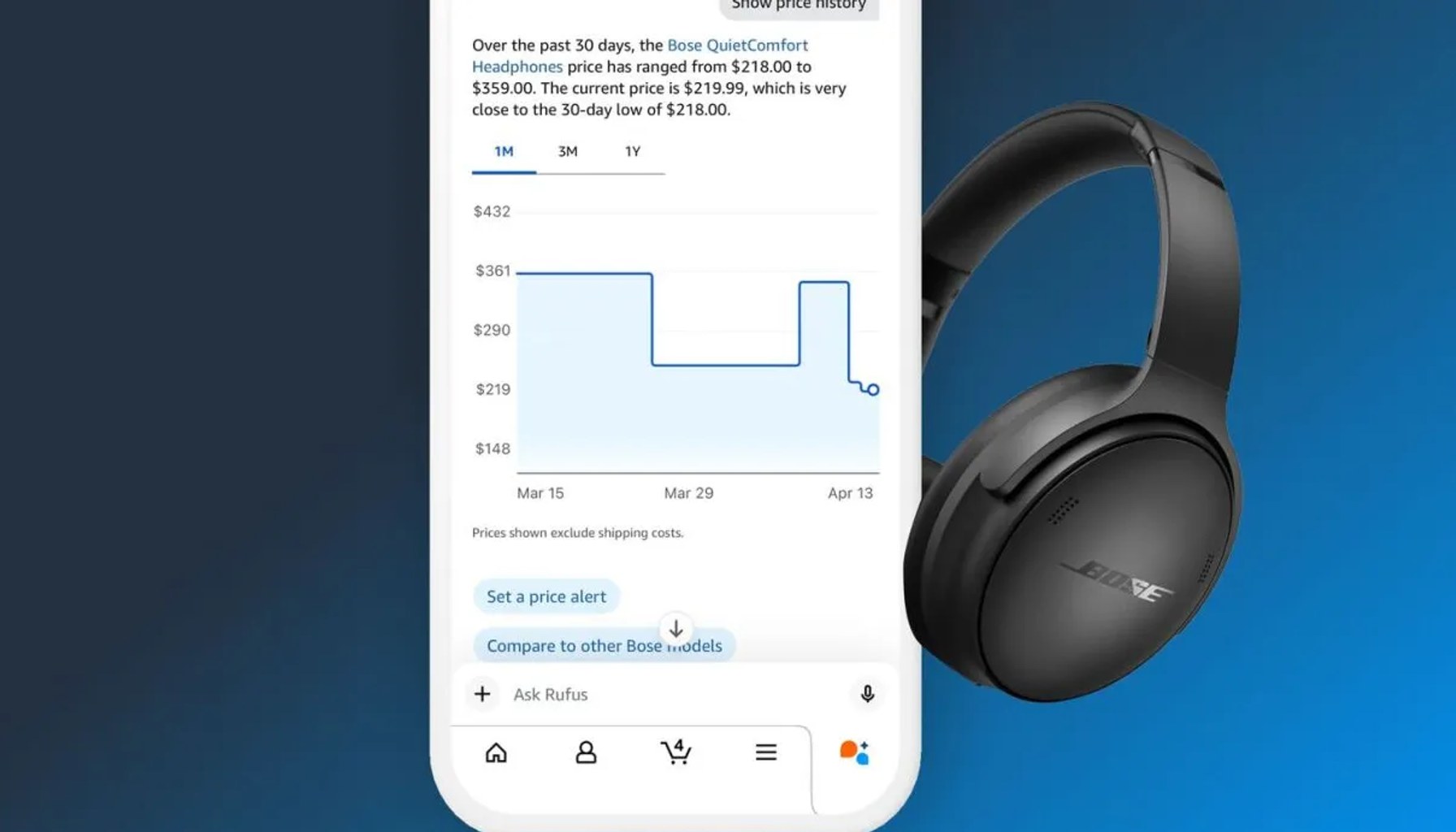
Amazon just made a full year of price moves visible in one tap.
Amazon’s built in price history feature now shows the entire last year, a development the company rolled out in the app by adding a “Price history” button next to the price or via its Rufus AI assistant. The update lands as Prime Day looms, with Amazon signaling the change weeks ahead of its biggest deals event. The broader backdrop: California Attorney General Rob Bonta’s price fixing lawsuit, which accuses Amazon of pressuring vendors to raise prices at competing retailers in the run up to Prime Day. The new tool adds a data driven wrinkle to a debate that has long simmered around how price changes are managed in the lead up to major sales.
For shoppers who have learned the hard way to chase historical price trends, the enhancement matters. In the past, price history viewing was mostly the province of third party trackers or stubbornly limited snapshots. Now, if you open the Amazon app and tap Price history, you’ll see a year’s worth of price points, giving you a more reliable sense of whether a discount is real or just a seasonal blip. And yes, you can still ask Rufus to pull the data in conversation, a small convenience that turns price tracking into a hands free exercise. Practically, that means less guesswork when you’re deciding whether to buy now or wait for another drop during Prime Day.
From a consumer perspective the move makes sense. A yearlong view is a meaningful improvement for evaluating price volatility around the annual sales cycle. It also reduces the anxiety of missing a fleeting low if you don’t monitor prices constantly. The data can be especially valuable for big purchases where a few dollars can swing a decision about whether to pull the trigger or hold out for another round of markdowns. Still, the feature is only as good as the data Amazon collects, and buyers should be mindful that the price history reflects listings within Amazon’s ecosystem and may not perfectly mirror market wide pricing trends or cross retailer anomalies.
The timing matters beyond convenience. Prime Day has historically been a magnet for price spikes and sharp discounts alike, and regulators are watching. The Bonta lawsuit raises questions about how much influence a platform can exert over pricing dynamics before, during, and after big sale events. The new price history view does not answer those legal questions, but it does provide a clearer lens for consumers to see what happened to price on their own screens. If vendors or competitors respond to the increased transparency with more aggressive pricing strategies, the effect could ripple through the competitive landscape in the months ahead.
A few practitioner angles to note. First, this tool is a win for price conscious shoppers who use Amazon as their primary shopping channel, adding a concrete data point to the decision process without requiring a separate app or service. Second, price history data is valuable for spotting genuine discounts versus sustained price floors; in other words, it helps you separate the “sale” from the “sale while stocks last.” Third, there is a tradeoff for sellers and the marketplace ecosystem: longer visible history could pressure vendors and third party sellers to be more consistent with their price announcements, potentially reducing deceptive price inflation around big events. Finally, the expansion invites comparisons with independent price trackers; while Amazon’s data is convenient, independent trackers still offer a broader cross platform view that can corroborate or challenge a single retailer’s trajectory.
Bottom line: the feature is a practical, shopper friendly enhancement that inches price transparency forward just as Prime Day arrives. It won’t erase regulatory debates or avert all pricing disputes, but it gives consumers a clearer, continuous narrative of how prices actually move over time.
Verdict: Buy, if you shop on Amazon, the yearlong price history is a sensible addition that helps you verify whether a Prime Day deal is genuinely compelling. Just stay mindful of the broader scrutiny over pricing practices and remember that price history is most powerful when used in concert with other price signals and cross checks.
- Amazon’s built-in AI price history expands to show the entire last yeartheverge.com / Source role not classified / Published MAY 01, 2026 / Accessed MAY 01, 2026