Apple closes first-unionized store plus two others in retreat from malls
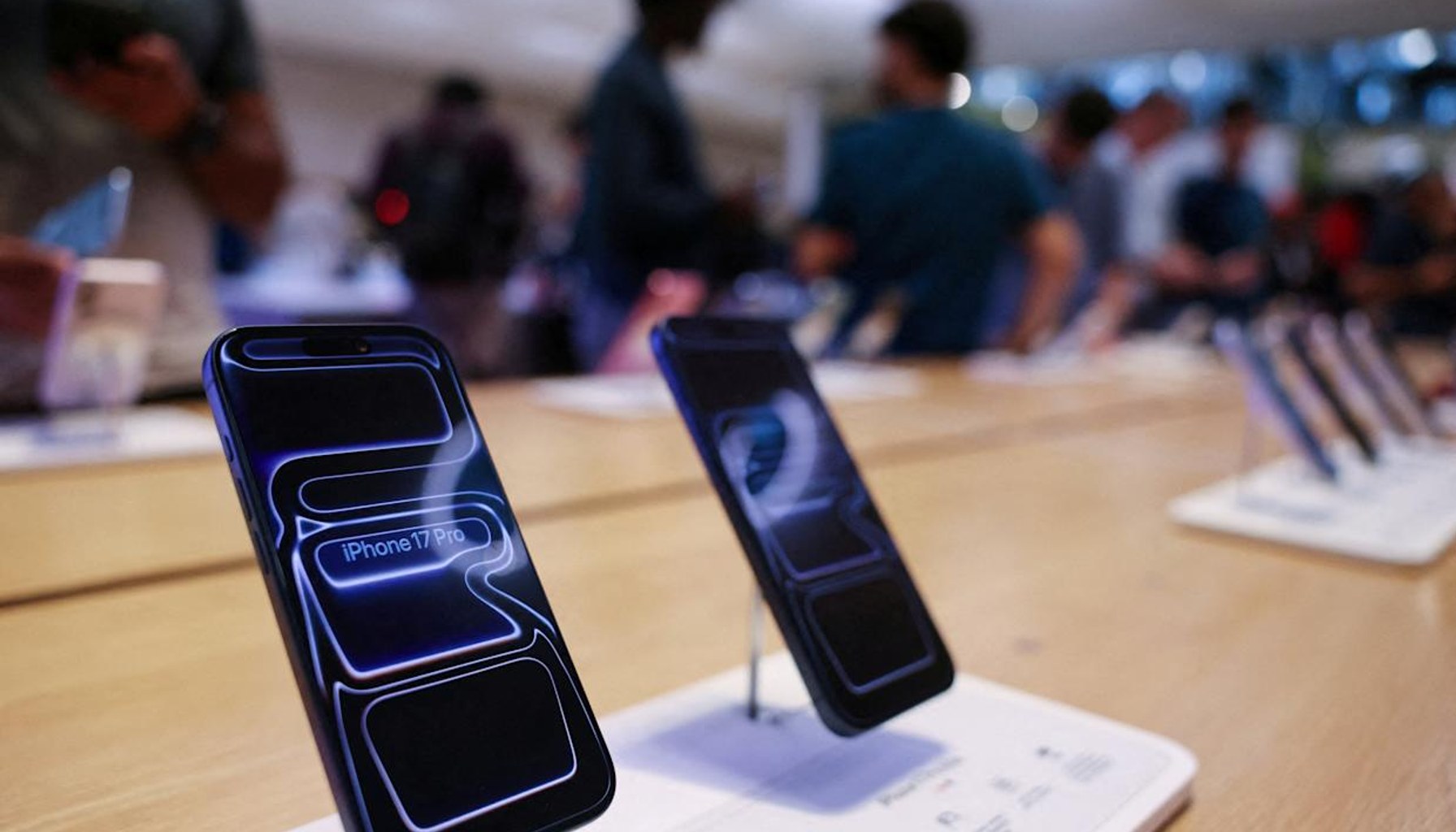
Apple is shuttering three U.S. stores—Towson, Maryland; Trumbull, Connecticut; and Escondido, California—marking a rare retreat from shopping centers that housed the company’s first unionized location. The decision, described by Apple as a response to “the departure of several retailers and declining conditions” at those centers, puts a knot in a high-profile labor story and leaves customers in the lurch for in-person support.
Apple’s brief statement confirms the closures will be permanent and notes that staff at Trumbull and North County (Escondido) will transfer to nearby Apple Stores, while Towson employees may apply for open roles under the existing collective bargaining agreement. The union that led Towson’s organizing, the International Association of Machinists and Aerospace Workers (IAMAW), saw the move as a direct challenge to the contract and a potential attempt to undermine union gains. IAMAW argued that the notion the contract blocks relocation is false and signaled possible legal action and political engagement to press Apple on the matter.
For consumers, the closures illustrate a stubborn paradox in premium electronics retail: a brand known for polished in-store experiences is shrinking its footprint in the very spaces that helped it cultivate a high-touch customer relationship. A handful of questions follow: How will nearby stores absorb the displaced workload? Will service wait times or trade-in programs suffer as a result? And what does this portend for Apple’s long-term store strategy as online purchasing and service channels continue to grow?
From a practitioner standpoint, there are several concrete takeaways for retailers watching this unfold. First, even a tech giant’s glossy retail network is vulnerable to the economics of malls and center economies. The “declining conditions” Apple cites aren’t unique to its stores—retail footprints across many mall-adjacent brands have faced pressure from shifting foot traffic, lease costs, and evolving consumer habits that favor online shopping and quick-service locations. Second, the timing around a unionized store’s closure highlights a tension between labor agreements and corporate repositioning. While Apple insists relocations can occur under the contract, IAMAW’s response signals that contract terms will continue to be scrutinized in any future store changes, potentially shaping how unions negotiate future closures or consolidation.
A third practical angle is consumer access. The Towson closure, in particular, underscores a risk scenario for customers who rely on in-person tech support, classes, and trade-ins. If nearby stores cannot fully absorb walk-in demand or if service capacity is stretched, customers may encounter longer lines or reduced availability for devices, setups, and repairs—a friction point for a brand that has banked on premium, seamless service as part of its value proposition.
Finally, what to watch next: how Apple reallocates its retail workforce across remaining locations, whether the company revisits its mall footprint in other markets, and how the union pursues any regulatory or legal avenues. Across the tech retail sector, the move serves as a case study in the precarious balance between maintaining a premium in-store experience, honoring labor agreements, and navigating the commercial realities of shopping-center retail.
- Apple is closing three US stores, including the first to unionizeengadget.com / Source role not classified / Published APR 09, 2026 / Accessed APR 10, 2026