Apple closes three stores, including first unionized site
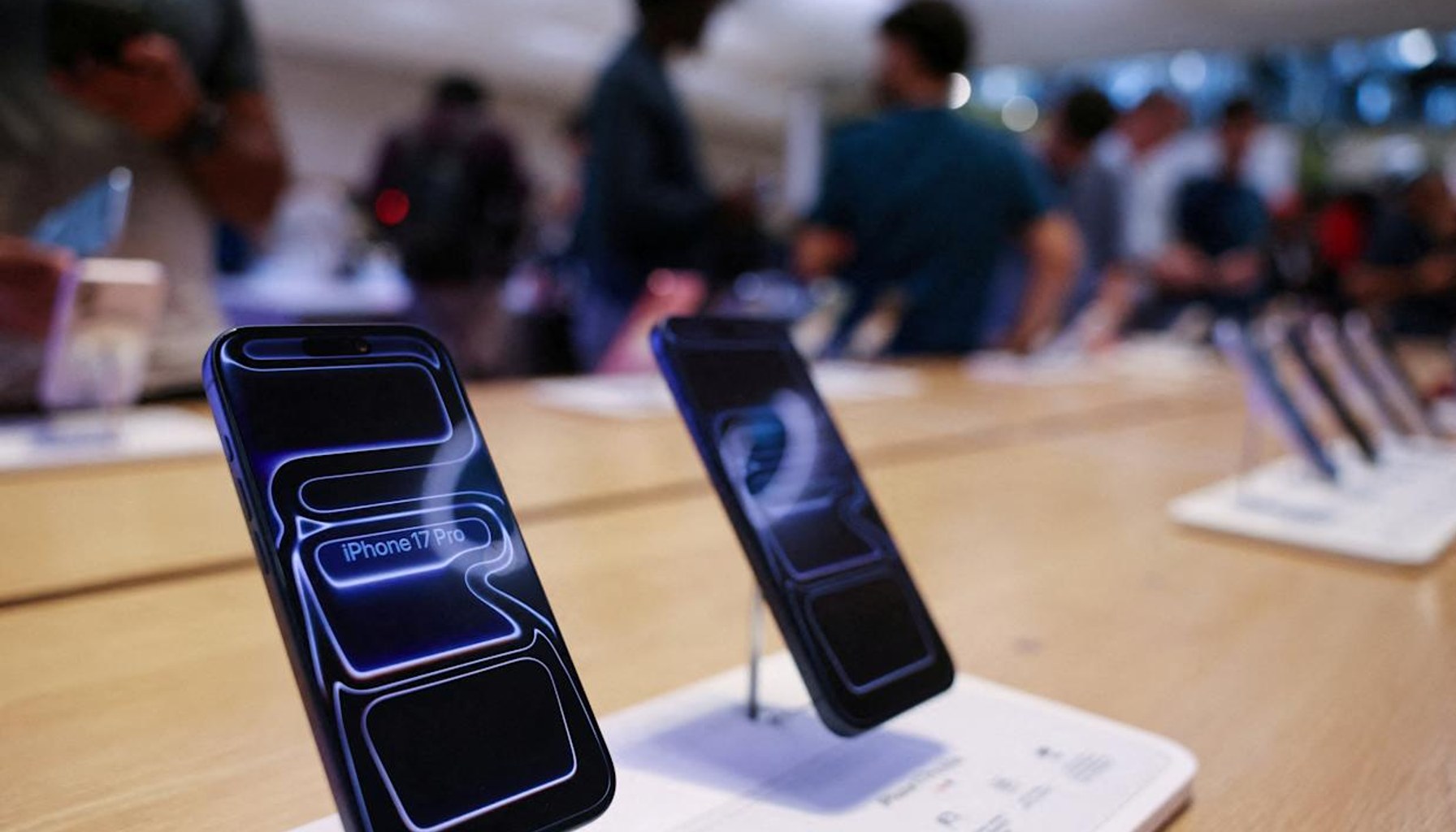
Apple is shuttering its first unionized store and two others.
Apple announced it will permanently close the Apple Store locations in Trumbull, Connecticut; Escondito, California; and Towson, Maryland this summer. The company attributed the move to “the departure of several retailers and declining conditions” at the shopping centers that house the trio of stores. Staff at Trumbull and North County (Escondito) will be reassigned to nearby Apple Retail locations, while Towson employees will be eligible to apply for open roles at Apple in accordance with the collective bargaining agreement.
The Towson closure adds a twist to a years-long thread in Apple retail: a store that became the company’s first to unionize and sign a contract in 2024. The International Association of Machinists and Aerospace Workers, which leads the Towson unit, blasted Apple’s claim that the union agreement blocks relocation and warned the move could be an attempt to undermine union power. “This closure is a cynical attempt to bust the union,” the IAMAW said, and signaled potential legal options and political engagement as a counterweight to closing threats.
From Apple’s point of view, the closures appear tied to a broader retail portfolio rethink rather than a sudden shift in labor strategy. The company’s statement frames the decision around external center-level dynamics—multitude of store footfalls in certain malls ebbing as retailers retreat and consumer shopping habits continue to tilt toward online and pickup options. In practical terms, that means fewer doors in markets where lease terms, anchor tenants, and shopper density don’t align with Apple’s long-term real estate calculus.
For customers in the affected areas, the impact will be felt less in service quality than in convenience. Apple insists that customer care won’t skip a beat, given nearby stores and the option to book appointments online, while Towson workers transition under the terms of the existing contract. But long-term, repeated closures around the country could compress Apple’s physical footprint in regions where mall traffic is down and online competition is stiff—a trend that has pressed many electronics retailers to rethink store counts, formats, and the pace at which they add or retire doors.
Industry observers point to several practitioner-level implications. First, closures like these underscore how real estate economics drive retail strategy more than brand loyalty. Even a company with strong brand equity must balance lease economics, center occupancy rates, and the risk of vacant anchors. Second, labor strategy becomes part of the negotiation risk; unions and employers are now watching whether unionized sites face disproportionate exposure to store-level consolidations, and how relocations are managed under collective bargaining agreements. Third, the move tightens the tradeoff between maintaining a dense physical presence and investing in a more targeted, service-focused digital-to-in-person experience in nearby stores. Finally, the episode could shape how Apple handles future unionized locations—whether closures become a lever to pressure negotiations or an accepted risk in real estate optimization.
As for what’s next, expectations center on the legal and political responses from the IAMAW and its allies, and on whether Apple accelerates store consolidation in other markets or calibrates its physical footprint more aggressively to lease terms. In the meantime, shoppers in Trumbull, Escondito, and Towson will navigate a changing retail map where the tech giant’s brick-and-mortar strategy continues to evolve in step with real estate economics and labor dynamics.
- Apple is closing three US stores, including the first to unionizeengadget.com / Source role not classified / Published APR 09, 2026 / Accessed APR 10, 2026