China's Robo-Joint Boom Hits Scale Milestone
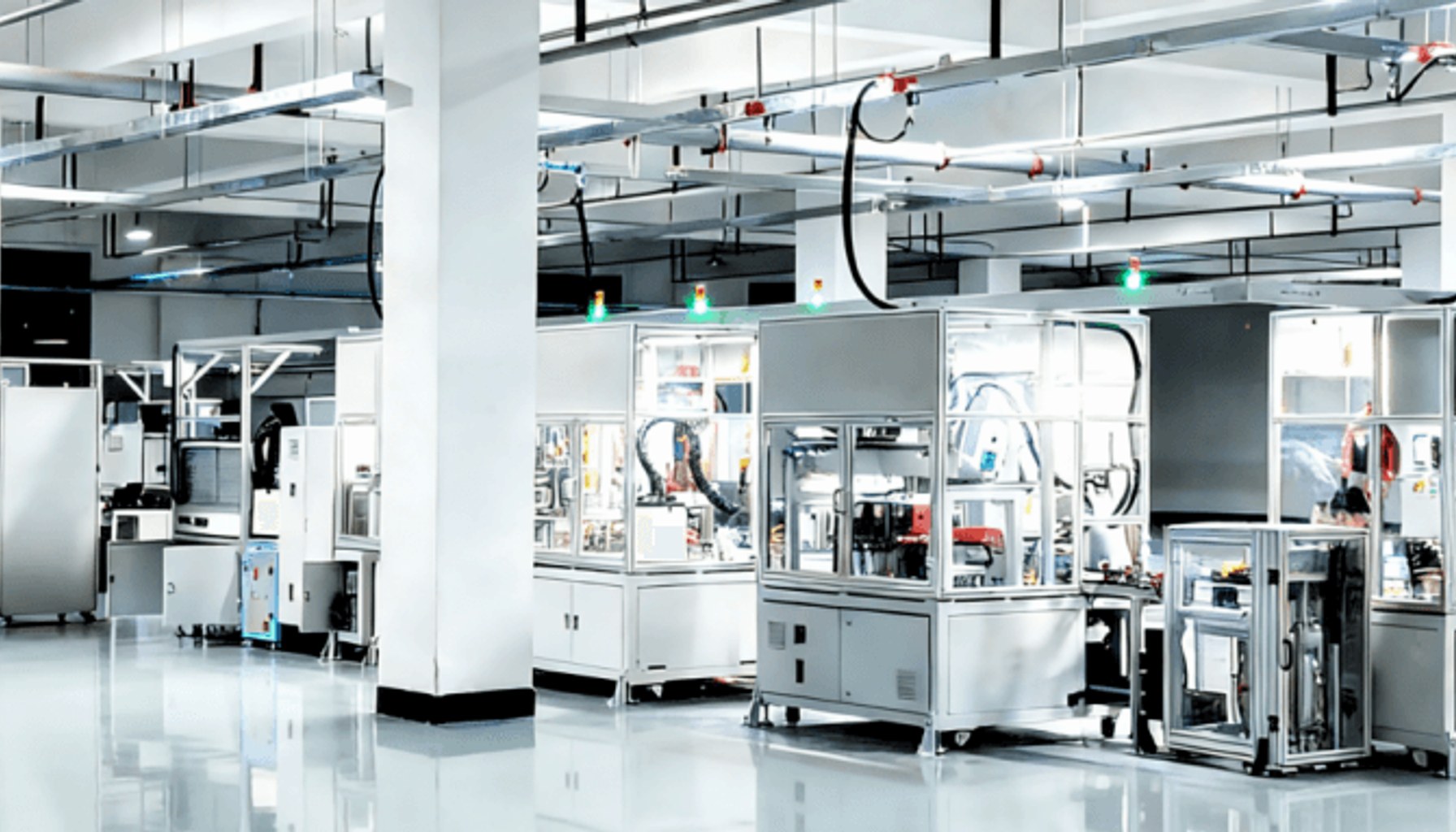
Motorevo just closed a tens-of-millions USD A++ round as its Wuxi factory starts turning out robotic joints every 90 seconds.
The surge in funding for Chinese robotic joint developers this year isn’t a Silicon Valley fantasy dressed in Mandarin slogans. Motorevo, founded in 2023, secured a sixth consecutive A-round in 2025 and then an A++ round in 2026, with Shenzhen Investment Holdings leading the round and Genesis Capital among the co-investors. Chinese venture trackers describe the capital as “several hundred million RMB,” i.e., USD tens of millions, a level that signals both investor confidence and a willingness to back factories that can actually scale. Motorevo’s product line mirrors the broader sector: planetary, harmonic, and cycloidal servo joints with torque ranges from 2 Nm to 400 Nm, aimed at humanoids, quadrupeds, exoskeletons, and collaborative robots. The company reports 2025 annual shipments topping 100,000 units, orders surpassing RMB 150 million, and a path to profitability that investors have signaled as critical for sustained growth.
The Wuxi footprint is central to the story. Motorevo’s production base began operations in April 2026, boasting more than 85% automation and a cycle time around 90 seconds per module. If you’re manufacturing servo joints for next‑gen robotics, that speed matters: it’s the difference between meeting a factory line’s demand and leaving large backlogs that ripple through the supply chain. The company projects total capacity reaching 300,000 to 500,000 units by 2026, a scale that would place it among the world’s larger joint-module suppliers and put downward pressure on per-unit costs—an essential move as buyers push for not just performance but price predictability.
Motorevo isn’t an outlier. Quanzhibo, a peer headquartered in Wuxi, announced a parallel trajectory: a Series A++ round in which Shenzhen Investment Holdings joined other state-minded and private backers. Quanzhibo’s product catalog—PA planetary, HA harmonic, and CA cycloidal servo joints—covers the same performance envelope (2–400 Nm) and targets similar customers. The company has already shipped more than 100,000 joint modules in 2025 and is building a precision manufacturing base in Wuxi designed to sustain a first-pass yield above 96% and an overall yield above 98%. When you see multiple players achieving mass production capability at similar speeds and with similar torque bands, the implication isn’t simply hype: a manufacturing ecosystem is forming around these modules, with joint suppliers feeding into humanoid designers, exoskeleton developers, and robot integrators.
Policy and market dynamics underwrite this wave. Investors frequently describe the round sizes, the track records of the management teams, and the proximity to large OEMs as decisive factors. Shenzhen Investment Holdings’ participation signals policy-aligned capital flowing into robotics manufacturing—precisely the kind of support that helps factories commit to the capital-intensive, yield-focused paths required for real scale. In the Chinese-language discourse around these rounds, the emphasis is on moving from prototype to production, from tens of units to tens of thousands, and from local pilots to supply relationships with Chinese and international robotics firms.
Two lessons practitioners should watch for next:
If the trend continues, expect 2026 to feel less like a Kickstarter of clever prototypes and more like a conventional factory ramp, where joint modules move through highly automated lines at scale, and robot developers can rely on a domestic supply base to deliver the performance and cadence required by the next generation of automated systems.
- Robotic Joint Developer Quanzhibo Raises Hundreds of Millions of RMB in Series A++ Roundpandaily.com / Source role not classified / Published APR 21, 2026 / Accessed APR 21, 2026
- Motorevo Raises USD Tens of Millions in A++ Round, Sixth Funding in One Yearpandaily.com / Source role not classified / Published APR 21, 2026 / Accessed APR 21, 2026