Chinese CNC Suppliers Tested as Robot OEMs Scale
By Maxine Shaw
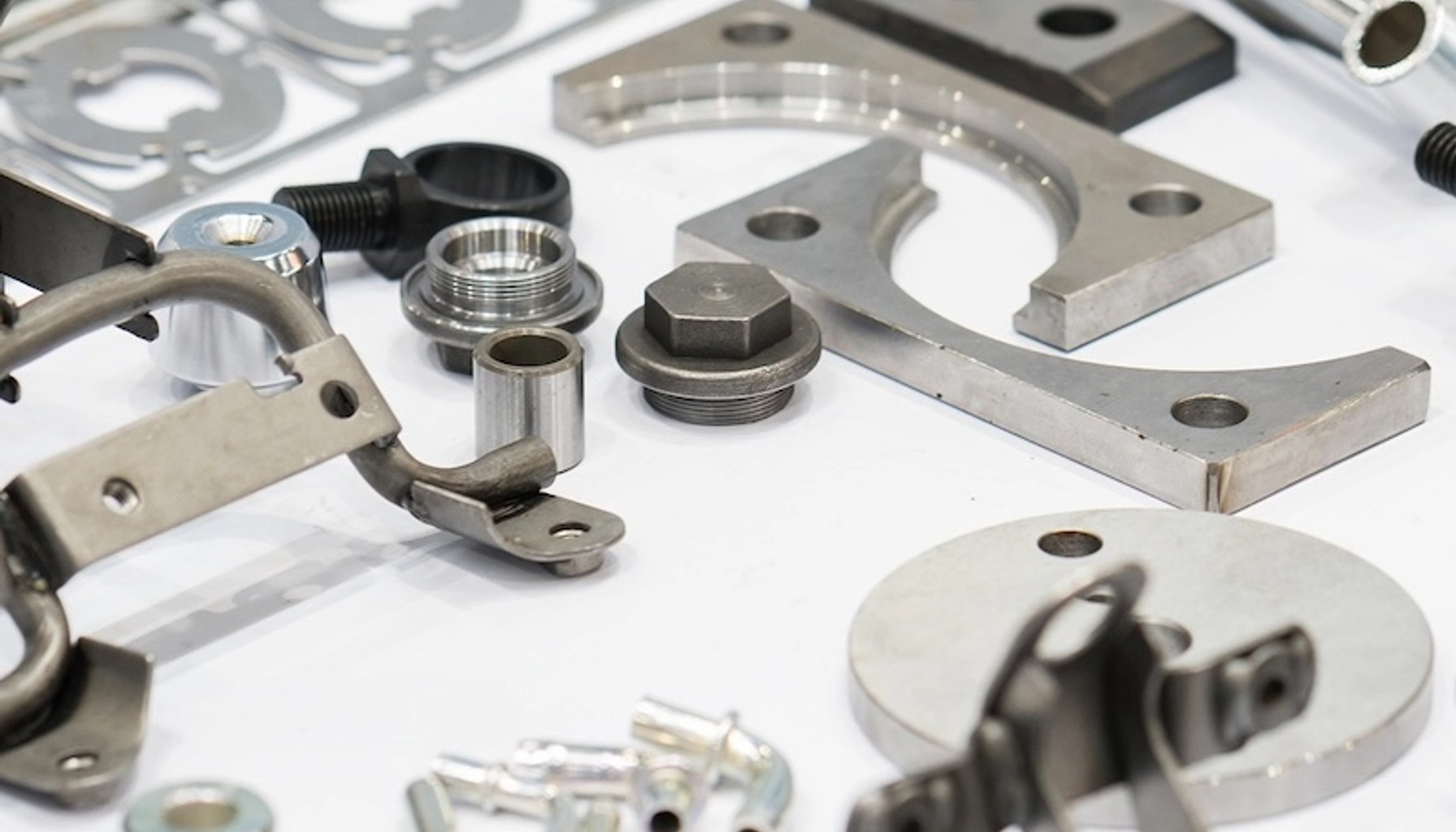
Image / roboticsandautomationnews.com
Hundreds of precision components must align, or the robot stalls.
Robotics OEMs are widening their supplier net in 2026, turning to Chinese CNC shops to deliver the precision parts that turn a prototype into a production robot arm. A collaborative arm, the article notes, contains hundreds of custom machined components, and the tight dimensional tolerances on housings, flanges, brackets, and mounts can determine whether an arm performs or drifts away from spec. As OEMs move from pilot runs to full scale, the race is not for the flash demo but for repeatable, high-yield manufacturing.
Industry observers say the shift is being driven by ramped production schedules and the cost pressures that come with widespread automation. The parts quality feeds directly into the arm’s kinematic chain; even small deviations in one component can compound as it travels through joints, gears and end effectors. Production data shows that when the component set is well controlled, the arm behaves as designed; when it isn’t, integration teams report even the best cell designs struggle with throughput and downtime.
The core challenge, according to integration teams, is translating prototype success into ongoing supply reliability. When a robot arm goes to market, it requires not just a single batch of machined parts but a continuous flow of parts with consistent tolerances, heat treatment stability and surface finish. In practice, that means early and ongoing qualification of suppliers, rigorous first article inspections, material traceability, and a tight supplier scorecard that tracks process capability and repeatability. The result is a more formal, data driven handshake between OEMs and fabricators, far beyond glossy CAD renders.
Hidden costs emerge quickly in this world. The initial fear for many robotics teams is not price but predictability: longer lead times, variance in part-to-part fit, and the cost of ramping a supplier up to volume. The attention to metrology and process control is high, but the payback is less about the price tag and more about uptime and throughput. In practice, floor supervisors confirm that the ability to qualify a Chinese CNC supplier for volume production can shave weeks off roadmap timelines, provided the partner demonstrates stable takt and robust QA discipline.
This is also a test of the industry’s willingness to trade local familiarity for scale. Skilled machinists and inspectors are still essential, but their role shifts as automation arms demand tighter process control and traceability. The article highlights how a production-ready supply base in China is not just about cheaper raw quotes; it is about integrating global sourcing with rigorous quality systems, and about ensuring the shops can maintain the same performance under long production runs as they did in the lab.
Looking ahead, the winners will be those who combine deep mechanical discipline with disciplined supplier development. OEMs will increasingly require co-managed programs with early supplier involvement in design for manufacturability, joint metrology plans, and clear escalation paths if a given part drifts out of spec. If Chinese CNC suppliers can sustain the required tolerances, the cost and risk reductions could accelerate adoption of robot automation across midmarket facilities. If not, the ramp to scale will stall, and the robot arm will stay a demo longer than its operator hoped.
In short, 2026 is the year that precision becomes a supply chain condition. The arms won’t move until the parts do.
Sources
Newsletter
The Robotics Briefing
A daily front-page digest delivered around noon Central Time, with the strongest headlines linked straight into the full stories.
No spam. Unsubscribe anytime. Read our privacy policy for details.