Comau and Aptiv partner on AI powered robotics and autonomous industrial automation systems
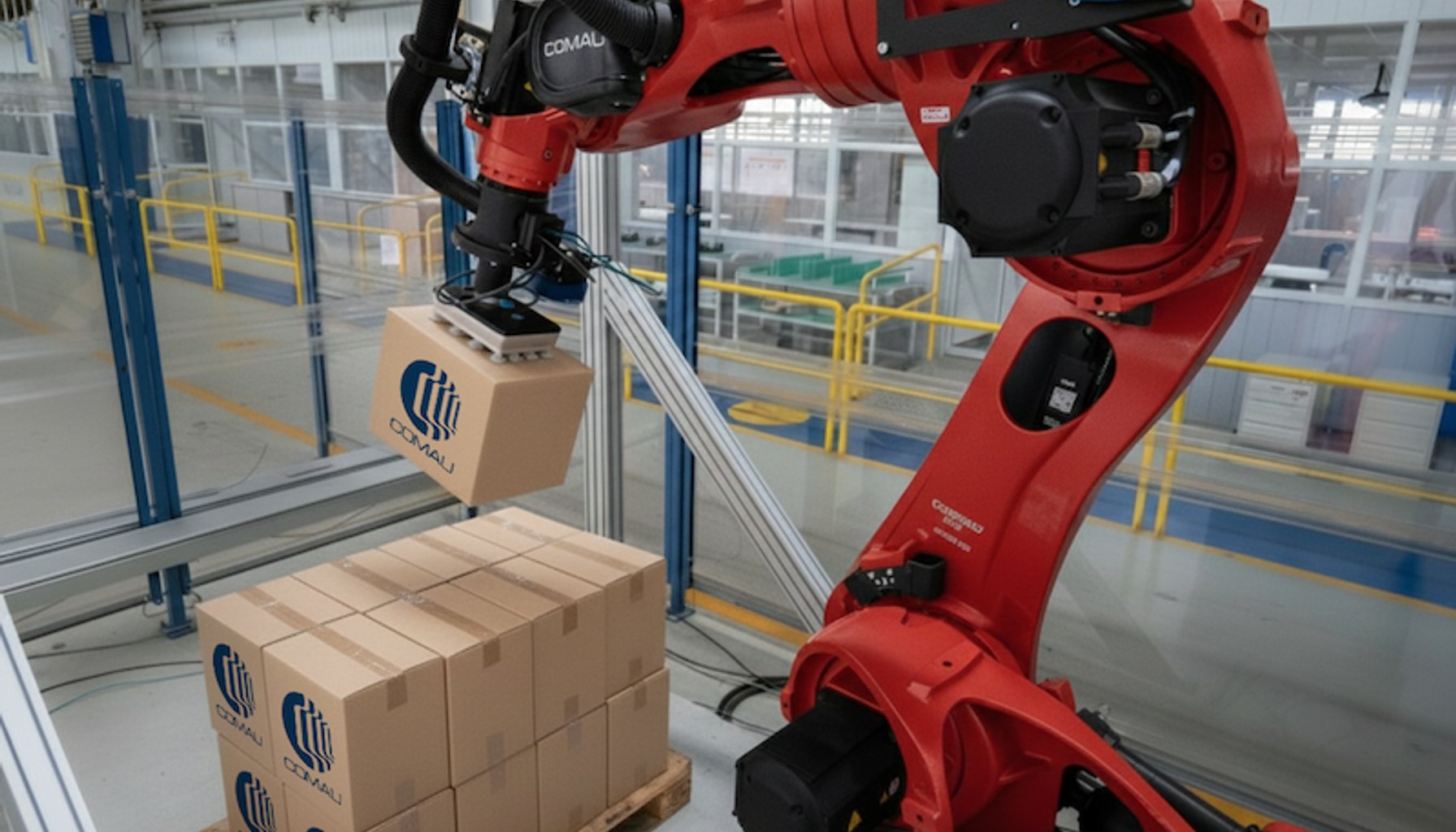
Two industrial giants vow to co-create smarter factory automation. Comau, the automation specialist, is collaborating with Aptiv to explore the co development of next generation intelligent automation solutions designed to help industrial customers operate more safely, efficiently, and autonomously Source.
The arrangement establishes a framework for joint development in key areas, including advanced robotics, autonomous systems, and automated capabilities, signaling a shift from demos to deployable solutions Source. In plain terms, the partners intend to test and scale AI powered robotics across industrial cells and lines, with an emphasis on safety, reliability, and autonomously driven decision making. Production data and integration teams suggest the effort aims to shorten cycles and reduce human intervention in repetitive or high risk tasks while preserving manual expertise where it matters most Source.
Industry observers say the collaboration hinges on more than clever software. The real test will be how the two firms translate AI theory into robust automation cells that can withstand real factory wear and tear, integrate with existing equipment, and operate within strict safety regimes. The framework is designed to evaluate joint development over time rather than pursuing a one off demo, a critical distinction for CFOs watching for credible deployment timelines and measurable payback Source.
From the floor to the C suite, the move reflects a growing appetite for AI powered automation, but it also brings up practical constraints. Integration teams will need clear floor plans, power availability, and training hours mapped to each new cell. Vendors often gloss over these details in press releases, but operators know the hidden costs come from adapting control architectures, reconfiguring workstations, and training maintenance staff to troubleshoot AI enabled systems when the first hiccup occurs on a Tuesday shift Source.
Three takeaways for practitioners eyeing similar bets. First, ROI will hinge on scale and repeatability; early pilots that merely showcase a clever robot rarely justify multi-year commitments without a clear path to deployment across multiple lines. Second, integration time matters as much as the technology; floor space, electrical load, and data pipelines must be sized for the joint AI capability, not just a single robot arm. Third, and perhaps most important, success requires human craft to remain where it adds unique value; automation should augment welders, inspectors, and technicians rather than trying to replace them on every task, a nuance often missed in glossy announcements Source.
If the partnership yields deployable, safe, AI driven cells, the payoff could be real: faster cycle times, lower defect rates, and a clearer path to autonomous operations across mixed modalities. The framework they’ve announced is a signal that AI robotics is moving from the lab into the factory floor in a deliberate, testable way, one that suppliers, integrators, and plant managers will watch closely in the coming quarters Source.
- Comau and Aptiv partner on AI-powered robotics and autonomous industrial automation systemsroboticsandautomationnews.com / Source role not classified / Published MAY 07, 2026 / Accessed MAY 07, 2026