DJI's Lito Drones Offer Big Value Under $400
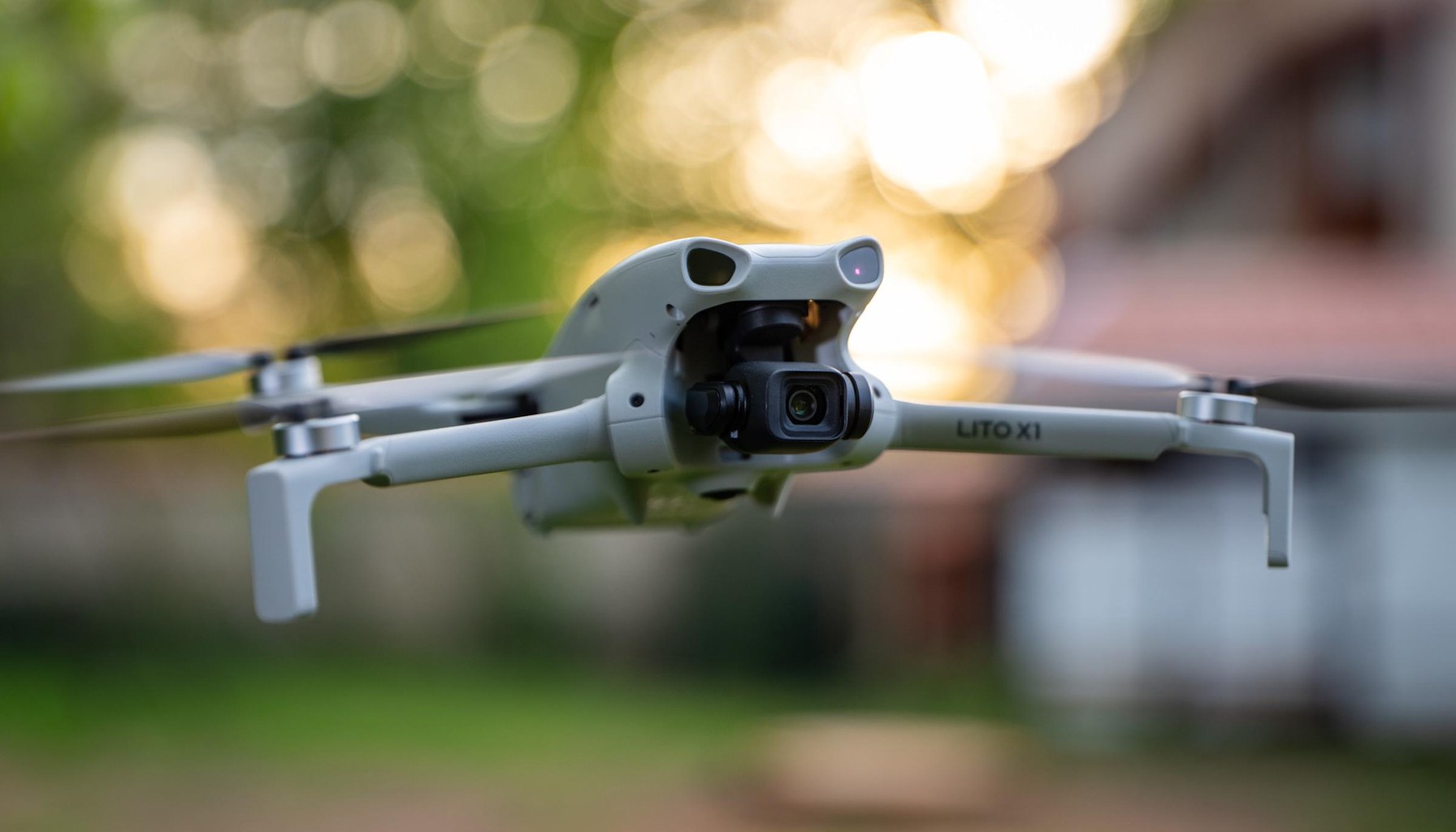
DJI just shoved LiDAR into sub-$400 open-prop drones.
DJI’s latest budget line—the Lito 1 and Lito X1—aims to redefine what “entry level” means for aerial video. Both models come in under $400 and weigh less than 249 grams, which DJI and reviewers say makes them appealing for beginners who want real video capability without hauling around heavier gear. The pair are pitched as successors to the Mini lineup, but with features that previously lived in higher-end or more specialized drones: LiDAR in the X1, and 360-degree obstacle sensing on both, plus top-and-bottom omnidirectional sensors for collision avoidance. The folding design stays familiar, with optional removable propeller shrouds that offer some extra protection without adding bulk.
In terms of image quality, the Litos sit in the same ballpark as DJI’s Neo 2 and Flip lines, according to hands-on tests. That’s a meaningful claim for a sub-$400 class drone: you’re trading some top-end studio-like footage for a price that practically invites experimentation. DJI stresses that these models are built for outdoor filming—think wind, open air, and speed—rather than delicate indoor maneuvering. The catch is clear from the outset: open-prop configurations are inherently less forgiving than the safer, closed-prop designs, which means more attention to flight discipline and bystander safety, especially outside the home where crowds and pets can complicate a takeoff.
The X1’s forward-facing LiDAR is the standout feature here. LiDAR adds a layer of tracking precision that is rare at this price point, enabling more stable flight paths and better subject following in dynamic environments. The Lito 1, while not equipped with forward LiDAR, still leverages its omni sensors to prevent collisions from all sides, a feature that makes casual pilots feel confident while they learn the ropes. The result is a practical package for hobbyists who want “real” video—without the typical budget-drone compromises on obstacle awareness or dynamic range.
The price tag is the gravitational pull for many buyers: under $400 for either model, with no mandatory subscription model or ongoing software fees spelled out in the briefings. That absence of recurring costs is notable in a space where some brands lean on cloud services or paid features. DJI’s open-prop design and the option of propeller shrouds are deliberate choices to balance protection, weight, and performance. The short-term appeal is obvious: a low barrier to entry for creators chasing quick, share-ready aerial footage of surfing, motorsports, or fast-action outdoor scenes.
For buyers, a few practical realities stand out. First, these machines are clearly outdoor-focused, and the open-prop configuration plus a sub-250-gram frame means you’ll want to stay mindful of local drone rules. In the United States, the legal environment around under-250-gram drones remains nuanced, and even if no formal permit is required in some jurisdictions, Remote ID requirements and local restrictions still apply. Second, real-world endurance and wind performance aren’t fully spelled out in early reviews, and flight times tend to be the Achilles’ heel of compact, feature-rich sub-$400 drones. Third, the “value” proposition hinges on the balance of features versus reliability; LiDAR is compelling but not a cure-all for every filming scenario, and novice pilots may need a little extra practice to avoid mishaps during fast, outdoor runs.
What to watch next: how DJI and rival brands respond as these LiDAR-enabled, sub-$400 platforms hit broader markets; whether US availability expands; and how real-world flight times and long-term reliability hold up under steady use. For now, the Lito duo frames a compelling argument: you can get LiDAR attention to detail and 360-degree sensing without paying a premium, as long as you’re comfortable flying outside your comfort zone and managing the open-prop tradeoffs.
In short, if you want a legitimate shot at high-quality aerial video on a budget and you’re willing to learn the quirks of open-prop flight, the Lito 1 and Lito X1 offer a strong, not-quite-cheap-enough-to-ignore starting point.
- DJI Lito 1 and Lito X1 drone review: High-quality aerial video at its most affordableengadget.com / Source role not classified / Published APR 23, 2026 / Accessed APR 23, 2026