Evolving Standards Transform Collaborative Robot Landscape
By Sophia Chen
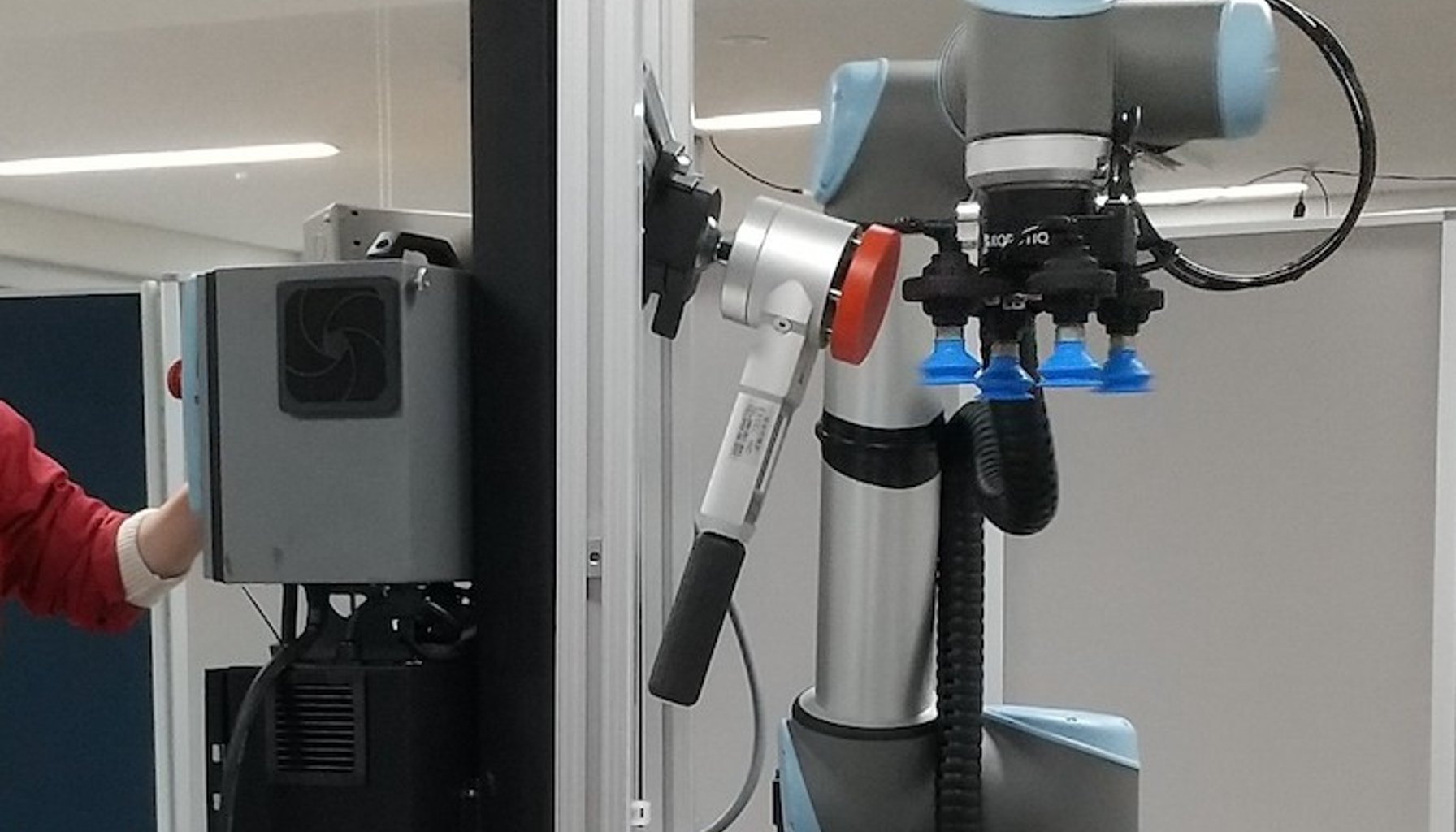
Collaborative robots, or cobots, are about to get a safety makeover that could accelerate their adoption in industrial settings.
New standards for force- and power-limited robots aim to enhance safety, enabling these machines to work alongside human operators without the risk of serious injury—an essential factor as industries push for more automation. The International Federation of Robotics (IFR) highlights a robust 7% compound annual growth rate (CAGR) for traditional industrial robots over the past five years, but the growth potential for cobots is even greater. This evolution in standards is an opportunistic pivot for an industry hungry for reliable and safe automation solutions.
Historically, traditional industrial robots have been confined to cages or specified zones to prevent human interaction due to safety concerns. In contrast, cobots are specifically designed to collaborate with human workers. They are equipped with advanced sensing technologies and compliant designs to detect and mitigate risks in real-time. The new safety guidelines will refine these capabilities, allowing for better integration into existing workflows.
Key among the evolving safety standards is the focus on power and force limitations. According to engineering documentation, these constraints prevent cobots from exerting harmful forces on nearby workers, essentially ensuring that if a human were to come into contact with a cobot, the machine would cease operation or adjust its movements to prevent injury. This design philosophy is not just about compliance; it’s about creating a safer working environment that encourages human-robot collaboration.
However, the implementation of these new standards isn't without challenges. Many manufacturers and original equipment manufacturers (OEMs) will need to invest in redesigning their cobots to meet updated requirements. This could lead to a temporary slowdown in production as companies scramble to adapt their designs. Furthermore, while the standards are evolving, the actual enforcement of these regulations may vary by region, complicating compliance for global manufacturers.
Demonstration footage from recent lab tests confirms that cobots are becoming increasingly effective at tasks like material handling, assembly, and quality inspection. However, cobots are still limited by their payload capacity and degrees of freedom (DOF), which typically range from 6 to 14 DOF and payloads from 3 kg to 20 kg, depending on the model. As manufacturers improve these metrics, the utility of cobots in more complex tasks grows, opening new markets and applications.
### What we’re watching next in humanoids
As the landscape for collaborative robots continues to evolve, the balancing act between safety, efficiency, and innovation will define the next stage of industrial automation. With these new standards, the expectation is clear: cobots will not only work alongside humans but will do so with enhanced safety and reliability, paving the way for a more integrated future in manufacturing.
Sources
Newsletter
The Robotics Briefing
Weekly intelligence on automation, regulation, and investment trends - crafted for operators, researchers, and policy leaders.
No spam. Unsubscribe anytime. Read our privacy policy for details.