Geekplus Expands Americas Push, Embeds Intelligence in US Warehouses
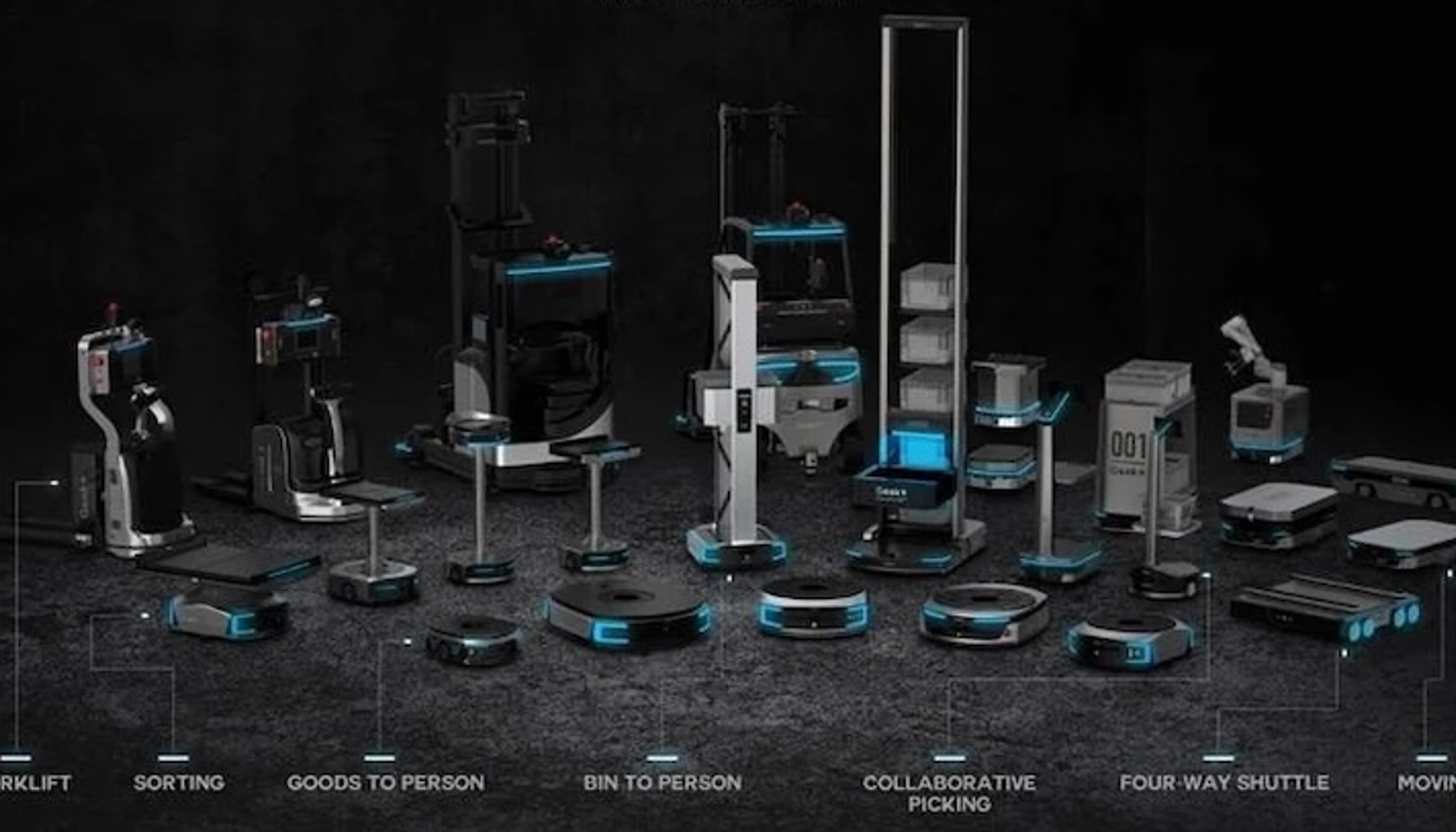
Geekplus is booming in the Americas with more than 50 percent growth in 2025.
Geekplus says its expansion in the Americas is accelerating, with new signed orders in the region led by the United States and growth of more than 50 percent year over year in 2025. The momentum arrives as warehouse operators face persistent labor shortages and rising operating costs, a combination that makes automation a more attractive option even for mid-market facilities. Geekplus has long pitched its approach as more than a plug and play robot, aiming instead for what it calls embodied intelligence, hardware with built-in perception, planning, and adaptability designed to function in busy, imperfect real world warehouses rather than on a controlled demo floor.
What sets this push apart, observers say, is the scale of the market shift underway in the United States. Warehouses and e-commerce hubs across the country are rethinking automation not as a single device replacement but as a coordinated fleet strategy that can rechannel human labor toward more complex tasks. Production data shows that operators are prioritizing solutions that can quickly absorb the unpredictable rhythms of high volume picking, replenishment, and inventory control, while still delivering reliable throughput. Geekplus’s American growth signals not just more robots on the floor but a broader appetite for systems that can learn from the day’s activity and adjust routing, stacking, and order consolidation in near real time.
Yet the path from a compelling demo to sustained deployment remains non-trivial. Integration teams report that the value of embodied intelligence hinges on how well the robots fit into existing warehouse workflows and IT ecosystems. In practice, that means converting floor space plans to accommodate robot lanes, ensuring a reliable power and network backbone, and aligning with warehouse management systems and ERP platforms so that pick lists, wave triggers, and slotting logic don’t become stumbling blocks. The friction is real enough that some projects stall unless there is clear ownership of the integration task and a realistic timeline for training and change management.
Floor supervisors confirm that the real battlefield sits in the day to day handoffs between human workers and automation. The robots excel at repetitive, high throughput segments of the job, but humans still handle exceptions, complex adaptations, and the tacit judgment that maps product characteristics to the right storage or picking approach. The result, according to operational metrics, is a shift in labor requirements rather than a simple one-for-one headcount cut. The goal is to free skilled staff for tasks that benefit from judgment and dexterity while robots shoulder the drudgery of repetitive motion, left to operate for longer periods with lower error rates in standard workflows.
Hidden costs tend to surface in early deployments as facilities adapt their space, power feeds, and safety protocols to accommodate robotic fleets. Vendors often spotlight the productivity gains, but integration teams emphasize that the true return hinges on a disciplined deployment plan: a clear integration boundary, upfront WMS/ERP mapping, and a realistic ramp-up schedule that includes operator training and system testing. ROI documentation reveals that deployments succeed when stakeholders align on process redesign and performance targets from day one, rather than treating automation as a discreet add-on.
Looking ahead, the Americas expansion will test whether embodied intelligence can sustain a sharper, nationwide automation thesis in warehousing. If the growth pace persists, expect more U.S. facilities to publish shared lessons on what worked, what didn’t, and how to squeeze value from a fleet that learns on the job rather than from a slide deck.
- Geekplus reports 50 percent growth in Americas as it pushes embodied intelligence into US warehouse marketroboticsandautomationnews.com / Source role not classified / Published MAY 03, 2026 / Accessed MAY 04, 2026