GUARD Act Would Universalize Age Verification Online
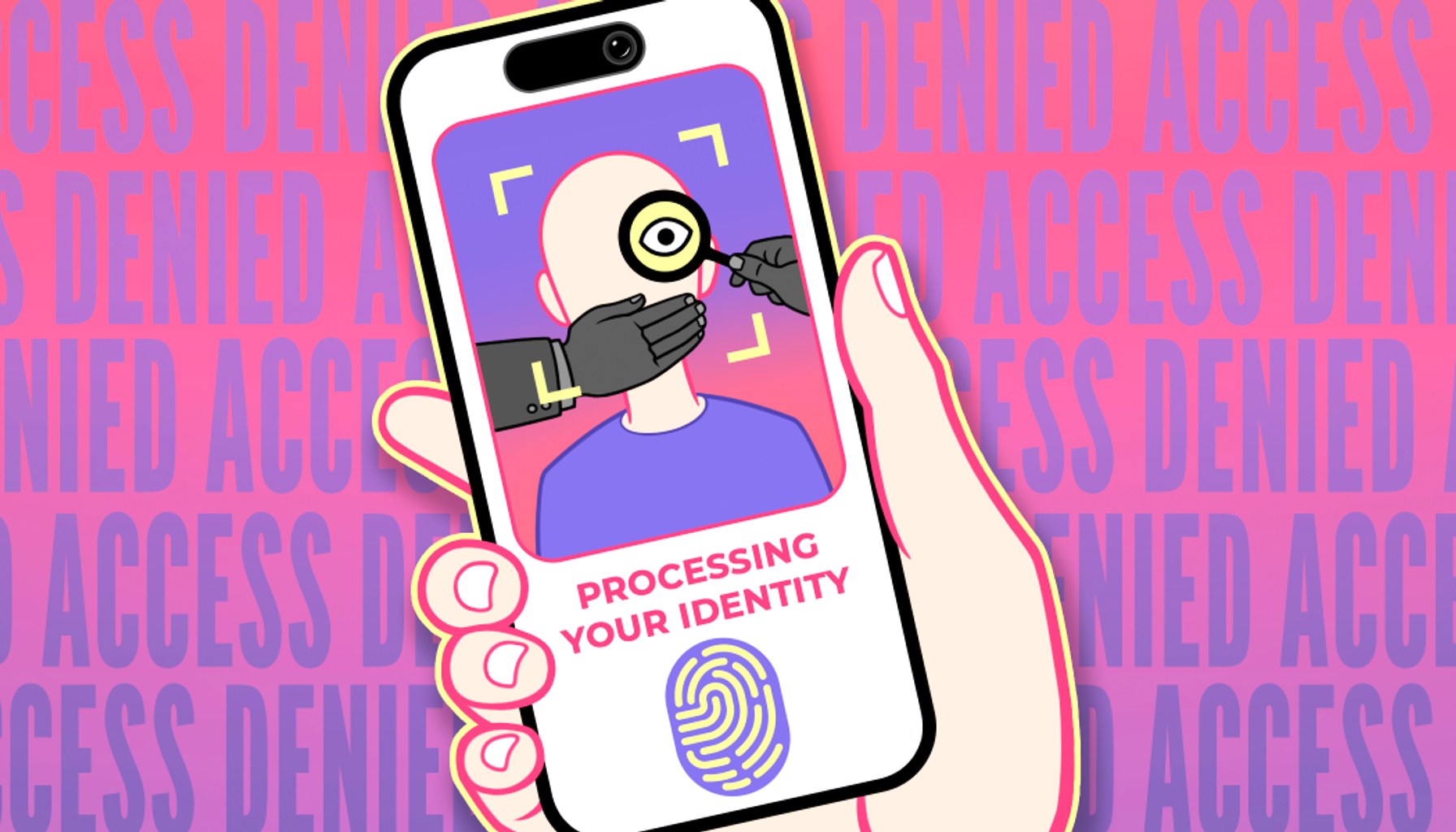
A sweeping age gate could bar high school students from basic homework help tools.
The GUARD Act racing through Congress seeks to require age verification for virtually every online service and then block anyone under 18 from interacting with a broad set of tools, including AI-enabled ones. In short, the bill aims to turn the internet into a landscape of age-restricted entrances, not just a few riskier chatbots. Lawmakers say the measure responds to troubling incidents involving AI companions and vulnerable minors, but the text’s breadth has alarmed digital rights groups and many tech operators.
Legislative text confirms the bill would require companies to verify the age of every user and then restrict those under 18 from engaging with a wide range of online systems. That would cover core activities like search engines that deploy AI, as well as everyday services that rely on online chat or automated assistants. The consequence, supporters say, is a safer digital environment for young people; opponents warn it would deliver a privacy-invasive, hard to scale gate that blocks legitimate needs and curtails parental guidance.
Policy documents show the concerns go well beyond a handful of risky AI experiments. Critics argue the approach could fracture routine internet use by forcing sites to deploy age-verification tech that captures sensitive personal data, possibly across borders and platforms. The Guardian Act’s framing as a safety measure hits a broader audience than those at immediate risk, policymakers say, because it touches every user’s ability to ask questions of a homework helper, consult a customer-service bot, or even access AI-backed search results. The core tension is plain: safety versus privacy and usability, with the internet’s open ecosystem caught in between.
On the practical side, the bill would require services to implement age-verification systems that are capable of handling millions of users, with privacy and data retention implications that stretch well beyond the typical user consent dialog. The experience of large platforms suggests this is a nontrivial engineering challenge: verification must be accurate, fast, and resilient to circumvention, while avoiding the creation of new data leaks or surveillance vectors. For smaller players, the cost of compliant identity checks could be prohibitive, pushing some services to shutter features or limit access in ways that disproportionately affect students, job seekers, and others who rely on affordable online tools.
The politics around the GUARD Act are moving quickly. A key vote is expected this week, and the bill has drawn sharp divides between safety advocates and industry groups who warn of overreach and innovation-killing friction. Enforcement mechanisms and penalty structures, at this stage, remain under debate in committee rooms; the text in circulation outlines the aim, not the final enforcement playbook. That leaves plenty of room for amendments that could carve out carveouts for educational tools, certain types of AI-assisted services, or particular sectors, but also risk a patchwork regime that users must navigate platform by platform.
As the debate unfolds, practitioners should watch for how the bill treats consent for guardians, how it handles cross-platform identity checks, and whether any exemptions survive scrutiny. The broader takeaway: if enacted with its current breadth, the GUARD Act could redefine what counts as everyday internet use, forcing both big platforms and small startups to rethink product design, privacy protections, and user experience in order to pass a highly visible safety test.
- The GUARD Act Isn’t Targeting Dangerous AI—It’s Blocking Everyday Internet Useeff.org / Source role not classified / Published APR 27, 2026 / Accessed APR 30, 2026