Jurassic handbag signals materials revolution
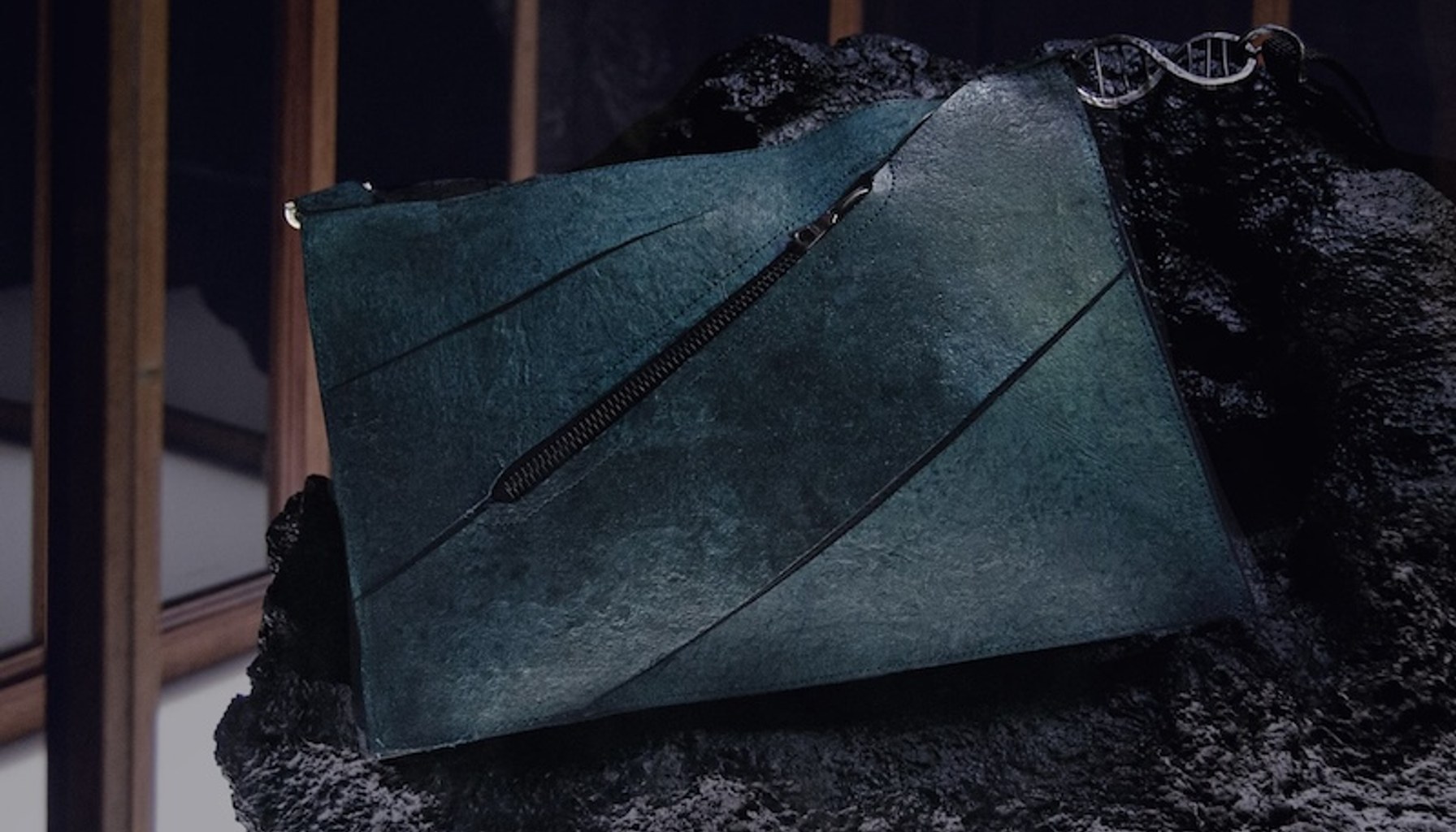
A dinosaur-protein handbag hints at a materials revolution. The spectacle is loud, but the quieter truth is a systemic shift toward growing and manufacturing materials with AI-guided design and automated production.
The piece-by-piece drama, described by Robotics & Automation News on April 7, 2026, is a publicity stunt that doubles as a proof of concept for biofabrication paired with smart automation. The idea isn’t merely to fashion a single luxury artifact; it’s to illustrate a platform where design, biology, and factories fuse to create materials that would have been impractical or impossible with today’s conventional supply chains. In practice, that means proteins or other biopolymers tailored for strength, resilience, color, or texture can be designed with AI and then produced at scale in automated facilities. If the approach scales, a future wardrobe—and a broader set of industrial materials—could be grown rather than mined or blended.
For plant managers, automation engineers, and CFOs, the headline question remains: what does this cost and how fast do you get payback? The article frames the handbag as a bellwether, not a finished product. Production data shows that the real value lies in the convergence of three capabilities: design intelligence (AI that targets material properties), reliable biofabrication (controlled growth of biopolymers at industrial scale), and closed-loop automation (from fermentation or cell-free synthesis to finishing and QA). The payoff, when achieved, won’t be a single glossy item but a repeatable platform that could shorten development cycles, reduce material waste, and unlock new performance envelopes. In other words, this is a demonstration of a platform, not a completed supply chain for luxury goods.
Industry observers point to concrete gauges that would matter in real deployments. Cycle time and throughput, for example, are the first non-glamour metrics to land on the balance sheet. In mature biofabrication programs with integrated automation, designers aim to trim the concept-to-prototype window from many months to a matter of weeks, and then push scale-up into weeks rather than years. Payback periods, while highly context dependent, tend to hinge on scale, IP licensing, and the ability to convert platform capabilities into multiple product lines. In many early programs, CFOs look for a 1–2 year window, with steady state after the initial platform investment. Those targets will only be credible if the underlying processes deliver consistent material properties across batches and across products.
The integration requirements shout from the blueprint: floor space for bioreactors or cell-free synthesis units, climate control, specialized filtration and QA lines, and robust waste streams handling. Power and water footprints aren’t minor footnotes either; the industrialization of bio-based materials demands dependable infrastructure and rigorous utilities. Training hours for operators, technicians, and supervisors quickly mount—transforming a demo into a deployment requires a learning curve that steady-state automation alone cannot erase.
Even in a luxury-context narrative, humans aren’t going away. Tasks that still demand human judgment remain central: design iteration, process validation, and regulatory clearance, not to mention brand stewardship and ethical governance for biofabricated materials. Operational risk compounds here: batch-to-batch variability, contamination risk, and the need for traceability across the supply chain. Hidden costs vendors rarely discuss—biosafety compliance, environmental monitoring, IP licensing, and ongoing QA fortifications—can dwarf the sticker price of any machine.
Ultimately, the handbag is a provocation. Production data shows the real test will be building a repeatable, scalable platform that can produce diverse materials with consistent quality, at acceptable cost, and with a clear path to regulatory and consumer confidence. If the industry can translate the spectacle into a working production system, the next 3–5 years could see a broader shift from “crafted in a lab” to “fabricated in a smart factory,” with materials that are designed to perform and manufactured with machines that learn.
- Jurassic bag: From dinosaur DNA to designer goods – how biofabrication and automation could reshape materialsroboticsandautomationnews.com / Source role not classified / Published APR 07, 2026 / Accessed APR 07, 2026