Millions of Teslas won't get unsupervised FSD
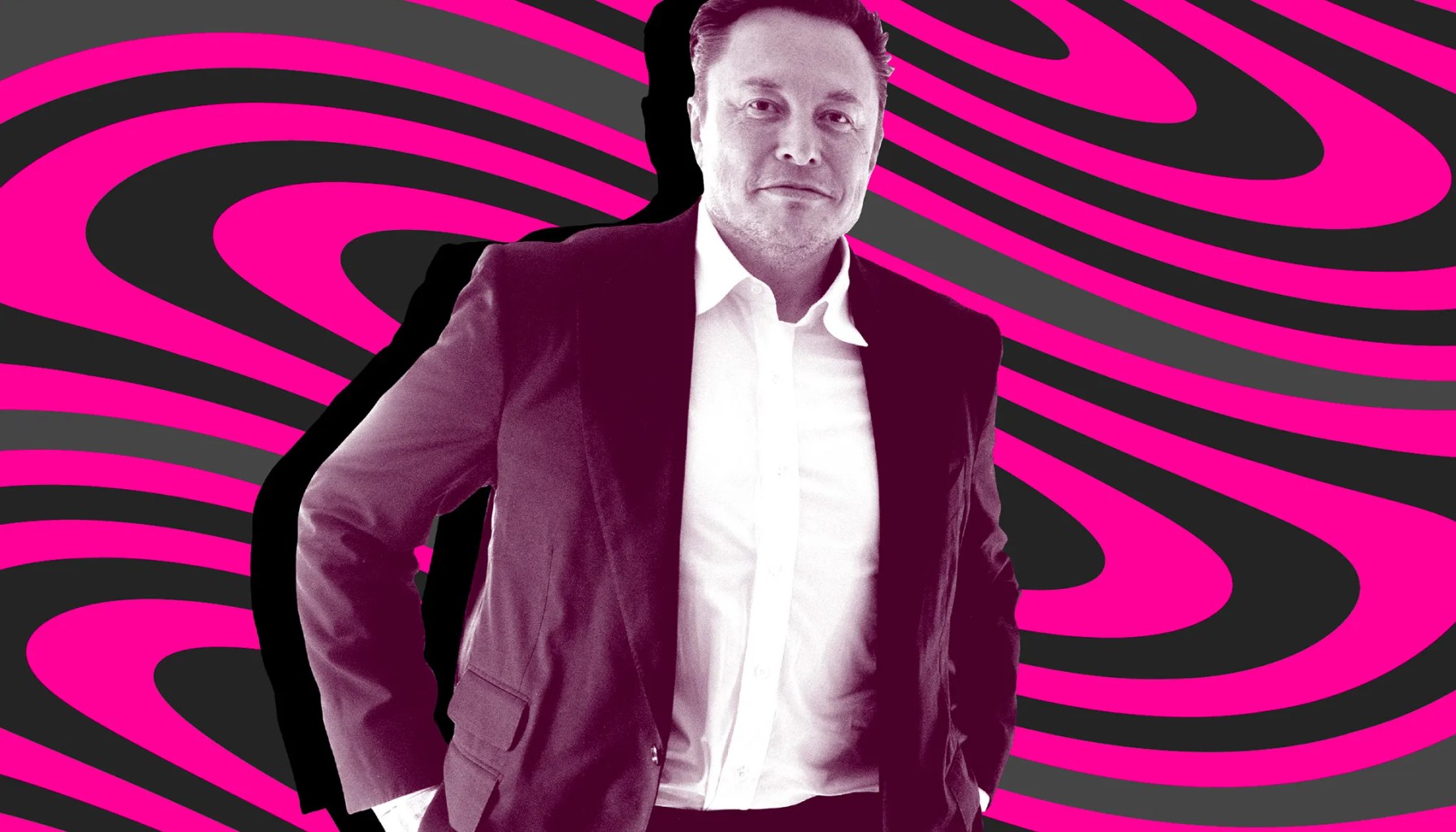
Four million Teslas won’t get unsupervised FSD. Elon Musk confirmed on Tesla’s Q1 2026 earnings call that Hardware 3 cars can’t reach the level of autonomy the company has long promised, meaning owners who bought FSD for their HW3-equipped vehicles face a hardware upgrade if they want truly hands-off driving.
The disclosure centers on roughly 4 million vehicles that run Tesla’s Hardware 3 computer. Musk said plainly that HW3 “does not have the capability” to deliver unsupervised Full Self-Driving, and that the practical path forward is to upgrade to newer hardware or, in effect, swap out the car’s brain. The blunt message is a stark reminder that the company’s most ambitious autonomy ambitions are tightly bound to the underlying computer platform—and that what sounds like a software feature is, in fact, a hardware gating problem.
For owners who already paid for FSD, the news lands with mixed emotion. On one hand, the technology remains tantalizing; on the other, their cars may never realize the promised “unsupervised” mode without a more expensive hardware upgrade. Musk’s candor also shifts the economics of Tesla’s software ambitions: the peddling of FSD as a near-future unlock is increasingly tethered to the hardware age of a vehicle, not just a subscription or cloud feature. There’s a reputational risk here, too, for a brand that has long pitched FSD as a differentiator in a crowded EV landscape.
From a consumer perspective, the news crystallizes two realities: first, hardware matters as much as software when it comes to advanced driver-assistance progress; second, the cost of chasing a promised capability may come up short if your car’s silicon is out of date. The takeaway for owners is pragmatic: if you want unsupervised FSD in a HW3 Tesla, be prepared for a hardware upgrade path or vehicle replacement. Tesla did not spell out upgrade pricing or timing on the call, leaving many practical questions about cost, availability, and how customers should pursue a solution.
Industry observers note the episode underscores a broader industry pattern: ambitious autonomy features frequently hinge on the computational core, and progress can stall when a platform can’t scale—not just when software learns new tricks. For Tesla, the situation highlights a delicate balance between marketing ambitious, ever-evolving software capabilities and the hard limits of silicon that can’t be retrofitted with a simple update.
Practitioner insights from the field point to a few takeaways. One, hardware life cycles remain a choke point for consumer-grade autonomy. Even with robust software teams, the underlying computer decides whether a feature can graduate from beta to production. Two, the cost calculus for owners will become a gatekeeper: if a full upgrade is required, buyers must compare the incremental value of hands-off driving against the sunk cost of hardware refresh or replacement. Three, the second-hand market value of HW3 cars tied to FSD promises may decline if the pathway to unsupervised FSD is clearly limited without a hardware upgrade. Four, Tesla’s customer experience will hinge on clarity about upgrade options, timing, and price—factors that can either convert brand loyalty into enterprise-level service commitments or push owners toward competing solutions.
As this unfolds, all eyes will focus on what Tesla announces next about upgrade paths, timing, and pricing. In the meantime, the disconnect between promised capability and hardware reality continues to shape how ordinary drivers think about autonomous dreams in their day-to-day cars.
- Elon Musk admits that millions of Tesla vehicles won’t get unsupervised FSDtheverge.com / Source role not classified / Published APR 22, 2026 / Accessed APR 22, 2026