MIT unlocks 30,000 Olympiad problems for AI
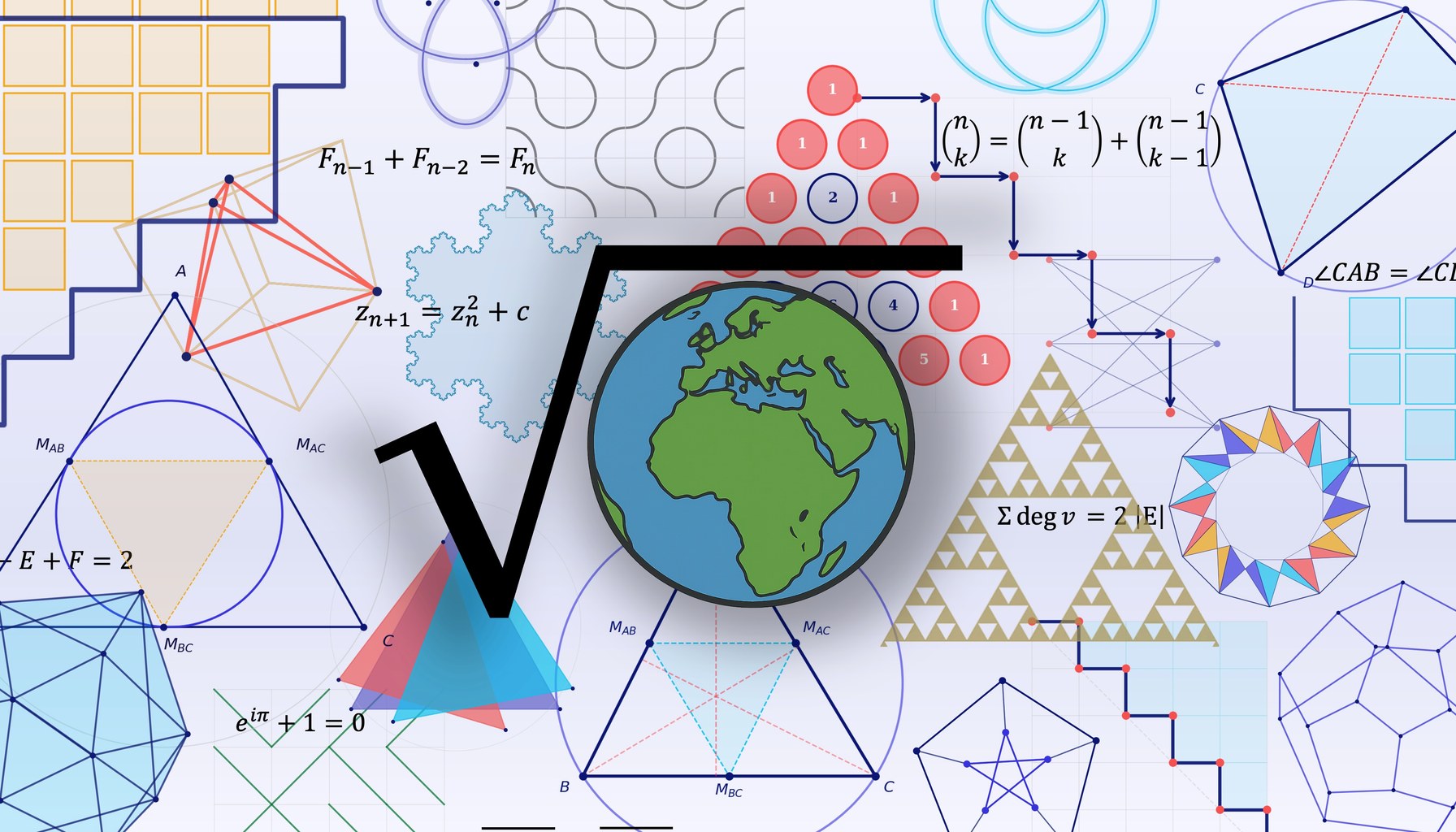
MIT just handed AI a 30,000-question math boot camp.
The trio behind MathNet (MIT's CSAIL, KAUST, and HUMAIN) are delivering a resource that industry watchers say could reshape how machines reason about proofs, geometry, and pattern recognition. MathNet bills itself as the world’s largest collection of Olympiad-level math problems and solutions, with more than 30,000 items drawn from 47 countries, 17 languages, and 143 competitions. It is five times larger than the next-biggest dataset of its kind, according to the researchers. The dataset will be presented at the International Conference on Learning Representations in Brazil later this month, signaling a formal push to benchmark AI's deductive capabilities in a standardized, open environment.
What makes MathNet notable is not just size. The corpus includes both text and image based problems and solutions, spanning four decades of competition mathematics and courting a diverse set of mathematical perspectives. By opening the collection, the team aims to give AI researchers a rigorous, reproducible platform to test the limits of mathematical reasoning beyond toy problems or isolated proofs. The collaboration underscores a shift toward evaluation-rich datasets that can probe not only whether an AI can solve a problem, but whether it can generate clean reasoning traces and robust proofs.
From a robotics lens, the implications are intriguing. If engineers can train AI systems to perform formal reasoning about geometry, logic, and structure from a broad multilingual and multimodal corpus, those capabilities could transfer to planning, verification, and safe control in humanoid platforms. But there is a meaningful gap between solving contest questions and navigating real world uncertainty, sensor noise, and physical interaction. The dataset emphasizes clean, formal proofs, which is a different regime from the probabilistic decision making commonplace in robot control and perception.
Two to four practitioner-level takeaways worth watching:
In short, MathNet gives AI a far larger, more varied proving ground than ever before. For humanoid robotics, the signal is clear: better mathematical reasoning and cross-domain reasoning tools are within reach, but they must be integrated with robust perception and control pipelines to produce genuinely field-ready capabilities. Expect a wave of research papers that treat Olympiad-level reasoning as a stepping stone toward safer, more trustworthy robot intelligence rather than a final destination.
- MIT scientists build the world’s largest collection of Olympiad-level math problems, and open it to everyonenews.mit.edu / Primary source / Published APR 24, 2026 / Accessed APR 27, 2026