MIT.nano scales lab bookings with automated reservation system
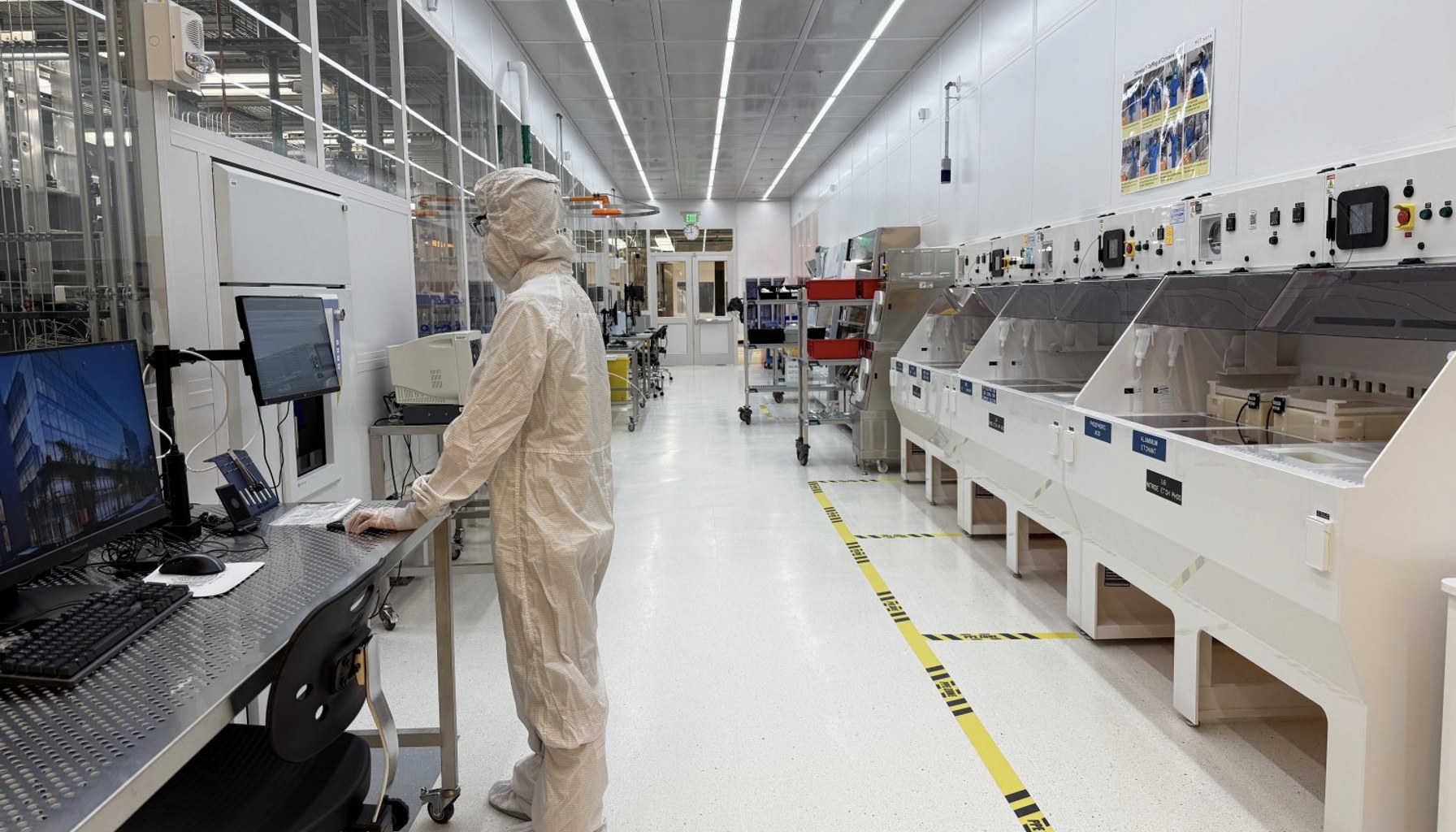
MIT.nano just built a calendar that actually handles 160,000 hours of experiments.
MIT.nano hosts about 1,500 researchers each year who rely on more than 200 tools and instruments, collectively driving 160,000 hours of work across 88,000 tool uses. That volume makes access management a quiet bottleneck, not a flashy feature, and the new automated reservation system is positioned as the connective tissue that keeps research moving while balancing a wide spectrum of user needs.
The challenge, as engineers describe it, goes beyond a shared calendar. A system that can discreetly coordinate demand, preserve fairness, and minimize friction across workflows, safety requirements, and administrative tasks is essential in a facility this dynamic. The new platform is designed to do more than queue requests; it acts as an ethical and practical gatekeeper for access in a high-stakes research environment.
In the three years leading up to the rollout, MIT.nano undertook a deliberate transition to a platform capable of scaling with demand while preserving operational continuity. The goal was to support rapid growth in both equipment and facility usage without breaking the flow of experiments. The result is a system that aims to present researchers with a seamless experience, no matter their lab setup or project stage.
A key design principle is integration with MIT’s broader digital infrastructure. The reservation system ties into onboarding and authentication, safety training, and billing, reducing barriers so researchers can focus on discovery rather than paperwork. This deeper integration helps ensure that access is both efficient and compliant with institutional requirements, a critical factor when dozens of departments share a single, highly capable facility.
Historically, the shared instrumentation in MIT’s Microsystems Technology Laboratories and Materials Research Laboratory relied on CORAL, a lab management platform developed by MIT and Stanford and introduced in 2003. The move away from CORAL toward a modern platform reflects a broader push in research centers to replace aging software with scalable, permissioned systems that can evolve alongside instrumentation and user needs. The transition underscores how software infrastructure can drive real gains in experimental throughput by reducing administrative drag.
For robotics teams and engineers watching the field, the MIT.nano example offers a prismatic lesson. The platform’s emphasis on fairness and continuity shows how critical it is to align tool access with research priorities while protecting safety and cost controls. It also highlights a practical constraint: software scale must be matched by robust authentication, billing workflows, and safety governance, otherwise even a well intentioned system can become a bottleneck rather than a ballast in a busy lab. As labs pursue more ambitious prototypes and field tests, the MIT.nano approach serves as a pragmatic blueprint for turning shared infrastructure into a predictable, governed accelerator for discovery.
What’s next, technically, is a deeper evaluation of how such systems perform under peak demand and how well they interoperate with emerging lab automation and robotics workflows. If the MIT.nano example holds, the payoff isn't just smoother scheduling; it's more reliable experiment continuity, faster access to equipment, and the ability to scale discovery without adding headcount.
- Powering 160,000 hours of discovery at MIT.nanonews.mit.edu / Primary source / Published MAY 04, 2026 / Accessed MAY 06, 2026