Noble Machines exits stealth with Moby humanoid
By Sophia Chen
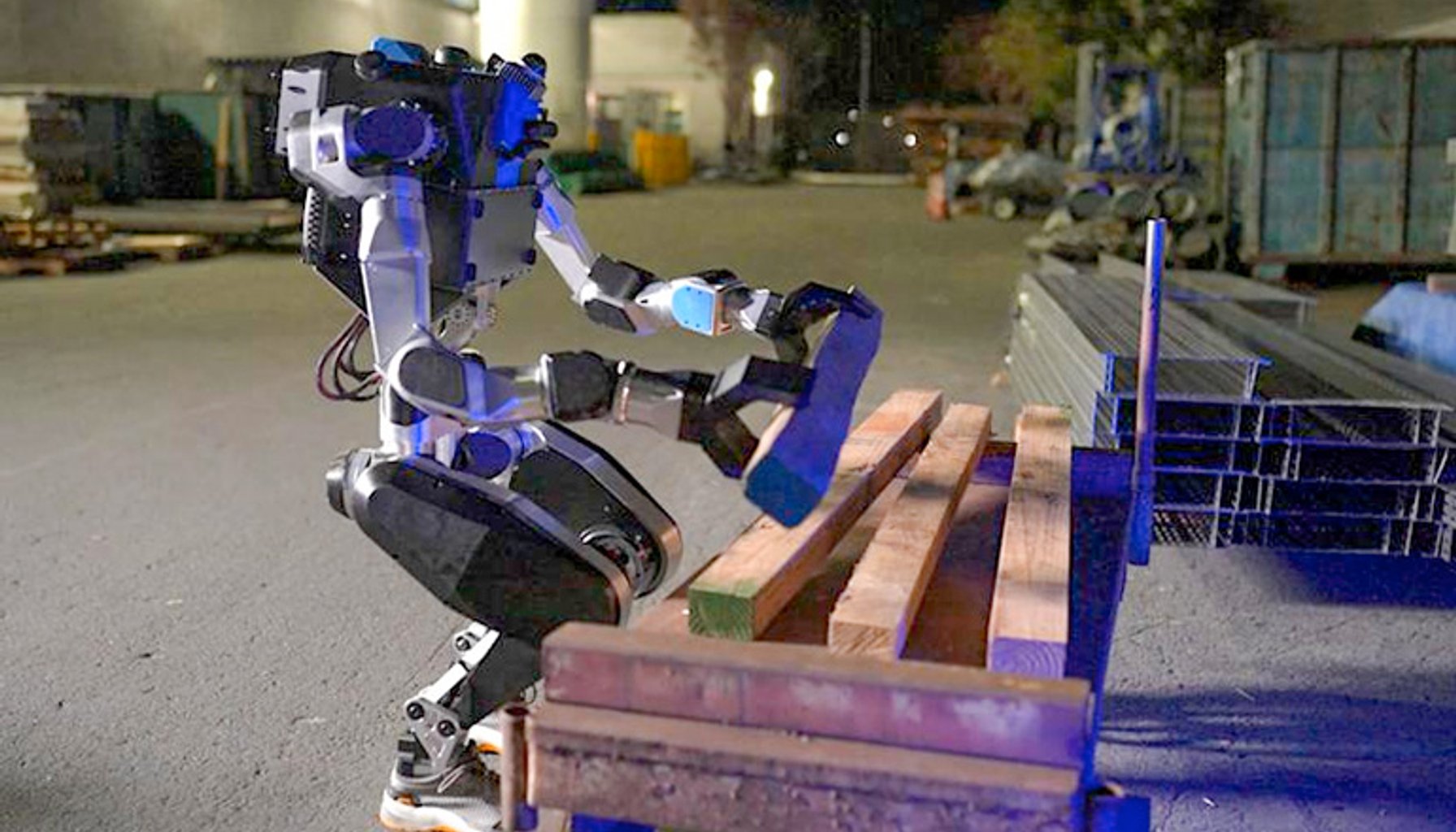
Image / therobotreport.com
Moby just lifted 60 pounds in a real-world deployment.
Noble Machines, a Sunnyvale startup carved from the roosts of Apple, SpaceX, NASA, and Caltech, has stepped out of stealth with a humanoid called Moby and a clear mission: tackle hazardous, physically demanding industrial tasks by blending hardware with “whole-body” AI control and rapid, language-based learning. In a milestone many robotics teams chase and few achieve, the company says its first units have already been deployed at a Fortune Global 500 customer within 18 months of founding.
Engineering documentation shows Moby can lift up to 60 pounds (27 kilograms) and can navigate steep inclines and outdoor environments. That payload puts it in a mid-to-upper tier among contemporary humanoids: Digit from Agility Robotics handles about 35 pounds, Boston Dynamics’ Atlas has been demonstrated in the 66–110 pound range, and the new Figure 3 tops out around 44 pounds. Noble Machines frames Moby as a generalist worker rather than a single-task automaton, built to interact with people and adapt to a variety of industrial hazards. The company emphasizes a “whole-body” AI control loop—coordinating movement across joints and limbs so a single actuator isn’t carrying the entire load of a task.
The technical specs reveal a strategic bet on integrated hardware and AI rather than a kit of off-the-shelf modules. Wei Ding, co-founder and CEO, said the company is accelerating a transformation where robots collaborate with humans to make operations safer and more efficient. “Our customers are rethinking their operations in this new era enabled by AI and general-purpose robots that can collaborate with people,” Ding stated. Demonstration footage and statements from Noble Machines’ leadership frame Moby as the first in a generation of robots intended for real-world, messy environments—outdoors, on ramps, and in places where a gripper must share a workload with a human worker.
There are clear openings against the backdrop of a crowded field of humanoids. The Moby launch comes with a claim of rapid onboarding and learning from natural language inputs, a feature that could shorten ramp-up times for industrial teams. However, crucial details remain opaque. The article notes “engineering documentation” and a public statement about capabilities, but it does not disclose degrees of freedom (DOF), battery chemistry, runtime, charging cycles, weather sealing, or maintenance intervals. In other words, the fundamental questions for deployment—How long will Moby operate between charges? How rugged is the system in rain, dust, or heat?—are not answered in the available materials. The absence of power, endurance, and environmental ratings is a notable risk for operators weighing field usage.
From a product trajectory standpoint, Moby sits between the lighter, more dexterous platforms and heavier, high-lift rivals. Noble Machines says a next-generation model is in the works and that a broader release will follow, signaling a deliberate cadence of iteration rather than a single press moment. The company’s claim of an 18-month path from stealth to customer site is unusually brisk in robotics, where many teams spend years in lab-proving grounds before real deployments.
Two practitioner takeaways stand out. First, the 60-pound payload represents meaningful capability for industrial tasks like handling parts, assisting with material transport, or supporting maintenance workflows—yet it also implies higher energy needs and stricter safety controls. Second, the emphasis on holistic AI control is a double-edged sword: it promises simpler integration for operations teams, but it raises risks around robustness, explainability, and failure modes in unpredictable environments. A credible next step will be transparent endurance data, DOF disclosures, and documented reliability across a representative set of tasks and weather conditions.
In the broader context, Moby is part of a wave of early field deployments aimed at proving a practical value proposition for humanoids outside controlled lab floors. If Noble Machines can translate the initial deployment into sustained performance—without sacrificing safety, serviceability, or uptime—the company could move from stealth-era novelty to a repeatable industrial asset. For now, the world watches the data behind the demo reels.
Sources
Newsletter
The Robotics Briefing
Weekly intelligence on automation, regulation, and investment trends - crafted for operators, researchers, and policy leaders.
No spam. Unsubscribe anytime. Read our privacy policy for details.