Orbital Data Centers Take Off
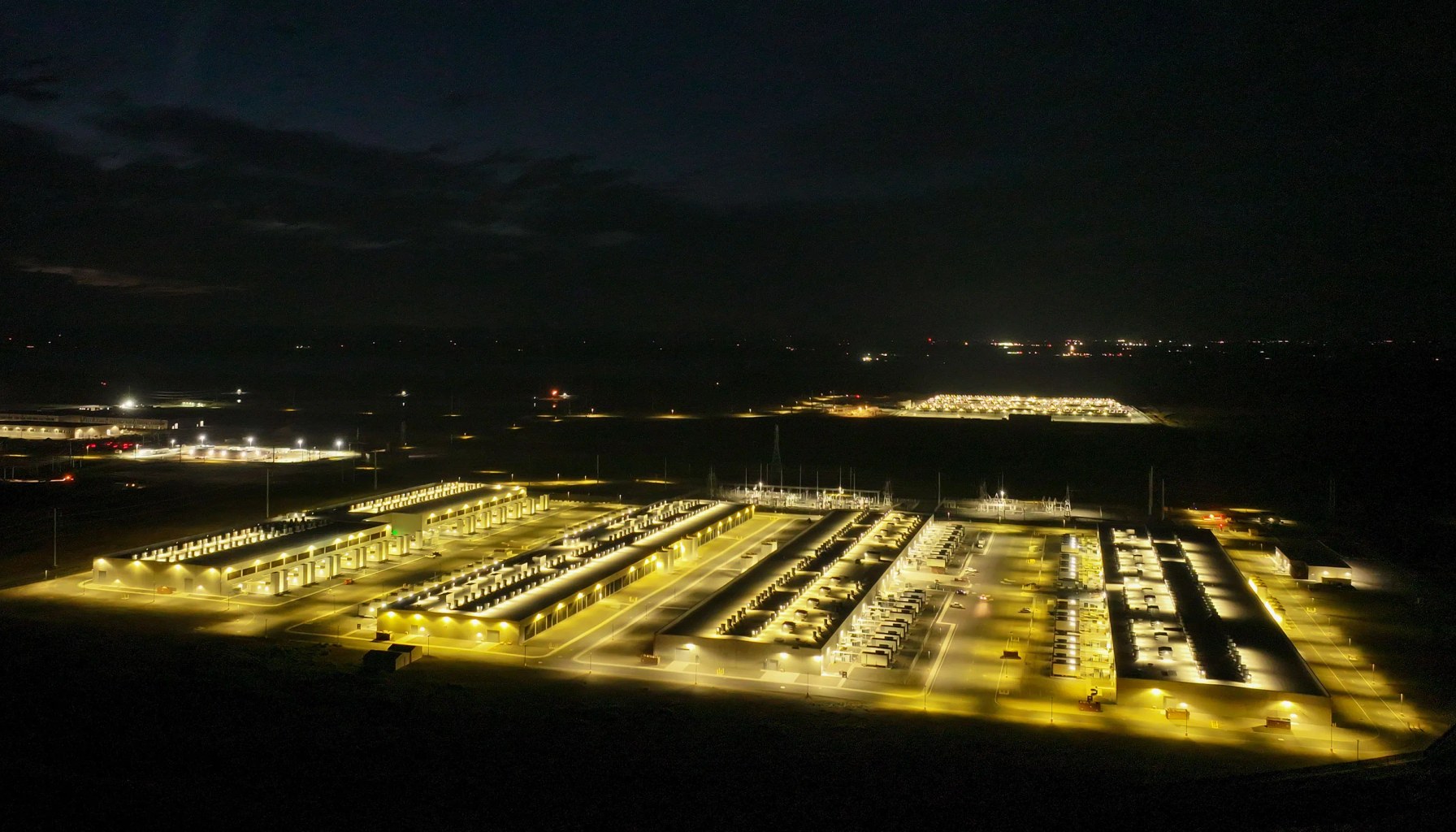
Space-based AI compute could finally end Earth's energy binge.
A wave of bold bets on orbit-based data centers is moving from rumor to runway: SpaceX has filed with the FCC to launch up to one million data centers into Earth’s orbit, a proposal that would dwarf today’s ground-based fleets. Other giants are weighing in—Jeff Bezos has teased a future of large-scale space computing, Google is talking up data-crunching satellites with a test constellation, and a Seattle startup, Starcloud, just flew a satellite with Nvidia’s H100 GPU, signaling a first real-world volley in orbital AI hardware. Proponents insist the skies could solve the water and energy demands of a growth-at-any-cost AI era. By 2030, Starcloud says, orbiting data centers could reach those Earthbound scales; Google plans to test 80 satellites as early as next year.
The logic sounds almost poetically simple: push compute into space to bypass the most painful resource bottlenecks on Earth—energy grids and cooling water. In space, you don’t need water cooling, and solar panels can feed high-density racks without straining terrestrial grids. The reopening gambit is to make AI training and inference cheaper by eliminating or drastically reducing the energy and water footprint on our planet. The counterpoint, of course, is that space isn’t a free lunch. Radiation, thermal cycling, and the harsh realities of maintenance in orbit add hard costs that don’t exist on Earth. Latency to users, downlink bandwidth, and the reliability of long-lived hardware in a radioactive, micro-meteoroid environment are less glamorous but unavoidable constraints. The MIT Technology Review’s report on the four things needed to put data centers in space frames the debate this way: it’s not a dream without a complicated shopping list.
In practical terms, several big unknowns loom. First, the economics? Launching, deploying, and maintaining a million data centers in orbit would require price-per-GPU and per-rack that looks nothing like today’s data centers, and it’s unclear who pays for long-term upkeep, debris risk, and end-of-life disposal. Second, reliability: space radiation can flip bits and degrade components, while thermal cycling stresses seals and connectors. Third, latency and bandwidth: even in low Earth orbit, you still face round-trip delays and limited downlink windows; for latency-sensitive AI workloads, on-orbit compute would need to be paired with extremely robust ground links and sophisticated caching. Fourth, policy and safety: orbital infrastructure raises questions about space debris, orbital slots, and jurisdiction for international customers.
From a practitioner’s lens, here are four takeaways to watch over the next 12–24 months:
Analysts liken orbital data centers to a planetary-scale data highway that trades energy-water constraints on Earth for radiation-hard hardware and near-space logistics. It’s a bold bet, almost a dare to reimagine where computation happens. If it pays off, today’s power-hungry AI farms could become a distributed constellation embedded in space, with Earth as a client rather than a sun-scorched donor of cooling water.
For product teams planning in the near term, the takeaway is modest but sharp: this remains a long horizon story, not a quarter-one feature. Expect a cascade of pilot tests, regulatory filings, and hardware-R&D cycles that will inform the feasibility, timing, and price of orbit-first compute—if it ever becomes a practical alternative to better-optimized terrestrial data centers.
- Four things we’d need to put data centers in spacetechnologyreview.com / Source role not classified / Published APR 03, 2026 / Accessed APR 07, 2026