Phones Price Surge: 3 Smart Workarounds
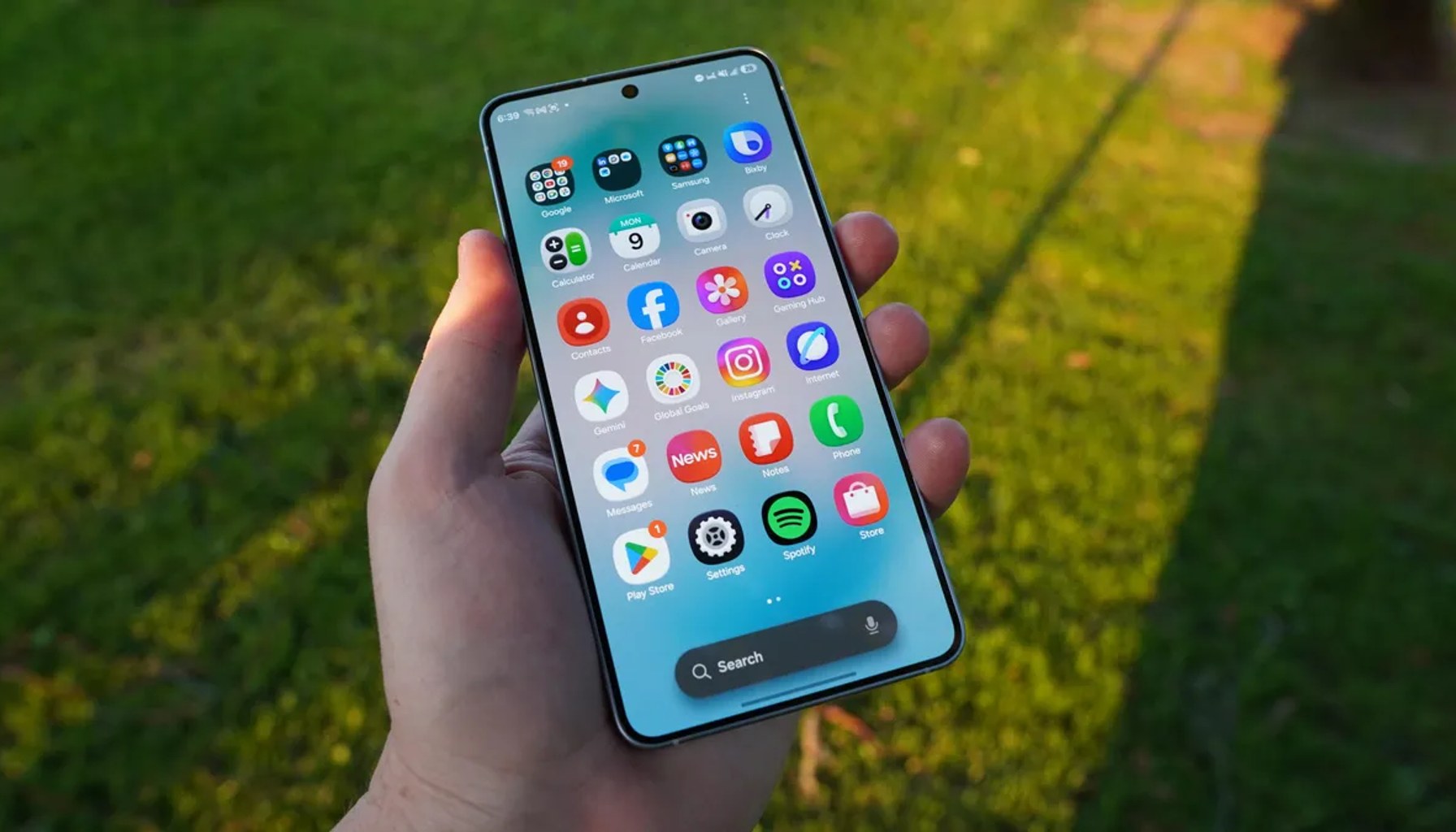
Phone price tags keep climbing, and there’s no sign they’ll stop.
A wave of data and trend chatter from industry press suggests that smartphone prices aren’t dropping anytime soon. In hands-on terms, that means shoppers will have to navigate a tougher math problem than they did a few years ago: how to get the most value from a device that’s more expensive to buy up front. The takeaway is practical, not bleak: there are manageable routes around the sticker shock, if you play it smart.
First, lean into trade-ins and promotions. The idea is simple but powerful: your old device isn’t junk, it’s potential cash. When you pair a trade-in with a planned promotion, carrier deal, or retailer discount, you can slice hundreds of dollars off a new phone. The effectiveness of this strategy hinges on timing and appraising your current device honestly—cracked screens or battery woes can undermine value. In practice, the best plays come during seasonal promotions (back-to-school, holidays) or when carriers push bundled incentives. The lesson for shoppers: don’t skip the trade-in desk, even if your current phone feels “used.” Its residual value can soften the upfront cost enough to make a upgrade feel reasonable again.
Second, consider last-generation or midrange models rather than chasing the year’s flagship. The gap between top-tier devices and last year’s flagships has narrowed in meaningful ways: camera improvements and performance still impress, but the incremental gains aren’t as dramatic as the price delta. This is not a downgrade story so much as a cost-per-use calculation. If you don’t need every bleeding-edge feature, a slightly older or midrange model often delivers nine-tenths of the experience at a noticeably lower price, with the added benefit of longer residual value and cheaper accessories.
Third, explore financing or refurbished options, with eyes wide open. Financing plans spread cost over two to three years, which can flatten the monthly burden and help budgeting. The risk, of course, is paying more overall if you lock into longer terms or add nonessential protections and services. Certified refurbished devices from reputable sellers can offer another path, typically with shorter warranties or more limited accessories than a fresh unit. The caveats aren’t trivial: check the warranty, confirm battery health, and scrutinize return policies. Financing and refurbishments are attractive not because prices are lower on the sticker, but because the total ownership cost over the term and the peace of mind can be better aligned with a consumer’s cash flow and risk tolerance.
Beyond these moves, the broader market context matters. Price pressure is intertwined with supply-chain frictions, inflation, and the intensifying push from carriers to monetize services alongside hardware. Shoppers should beware hidden costs—subscription add-ons, extended warranties, and insurers—that can creep into the total bill without obvious visibility at checkout. The smarter play is to compare true ownership costs, not just the upfront price tag, and to spot where a promo, a trade-in, or a refurbished option can tilt the final number in your favor.
What to watch next: expect continued promotional experiments from carriers and retailers, especially around seasonal peaks. If supply constraints ease, price stabilization could loosen, but a clean sweep to cheaper devices isn’t guaranteed; manufacturers may extract value elsewhere, and service bundles may fill gaps left by hardware pricing. For now, savvy shoppers should map out their upgrade cycle, run the math on total ownership, and combine trade-ins, smarter model choices, and careful financing to keep the bill in check.
- Smartphone Prices Are Still Climbing. Here Are 3 Ways to Get Around Thatcnet.com / Source role not classified / Published APR 17, 2026 / Accessed APR 17, 2026