Plus One Hits 2 Billion Picks, Automation Accelerates
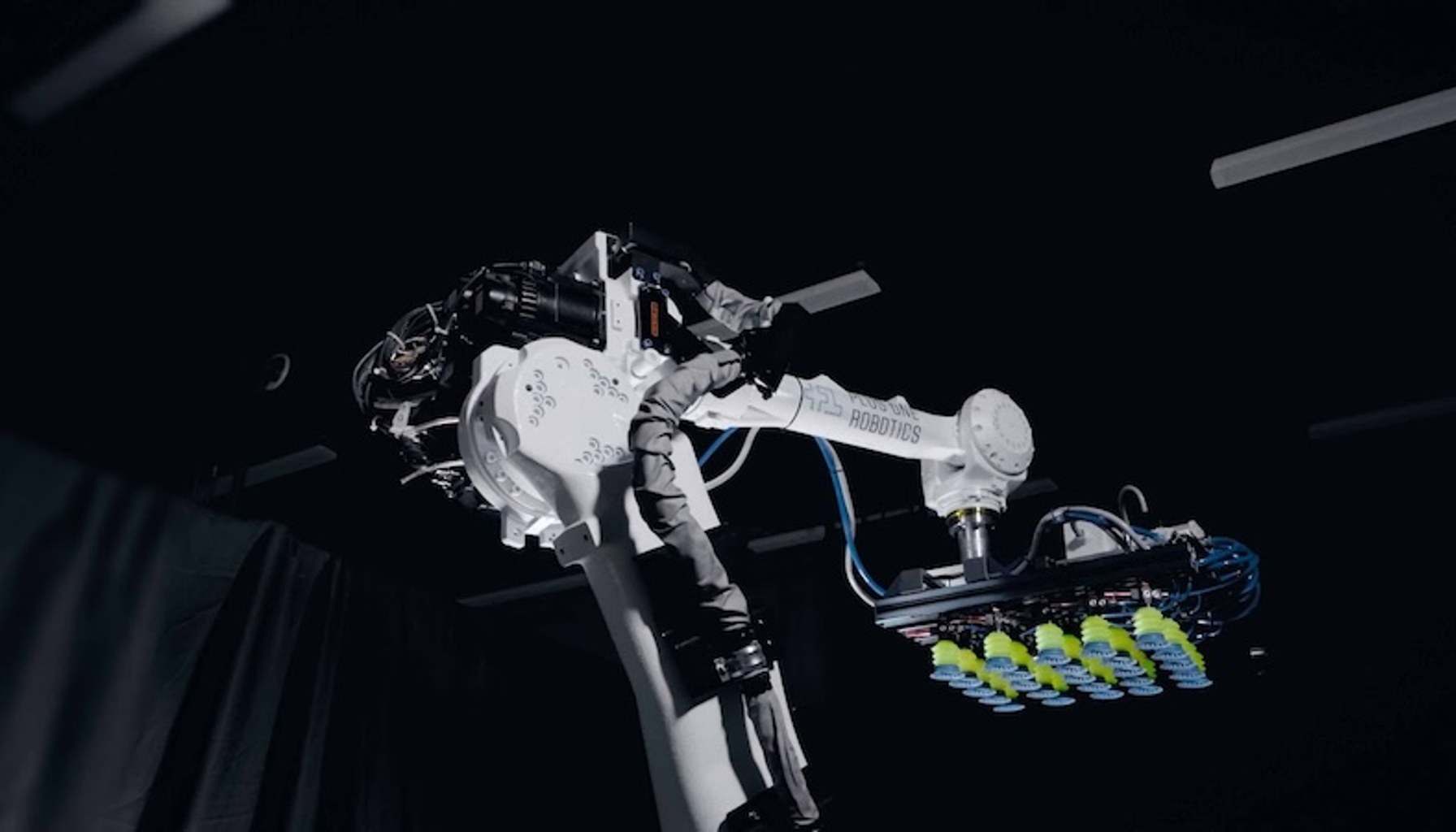
Two billion picks prove warehouse automation has finally arrived.
Plus One Robotics, a specialist in AI-powered robotic vision for material handling, says it has surpassed 2 billion successful picks across its global fleet of parcel induction and depalletization robots. The milestone lands as the company marks its 10th anniversary, a quiet counterpoint to the industry-wide push to automate high-volume, high-morse-of-activity fulfillment centers that kept shipping speeds honest during the post-pandemic surge. Production data shows the scale of the achievement mirrors a broader trend: logistics operators are leaning heavily on intelligent vision and cobot-assisted handling to shave cycle times and squeeze throughput from crowded facilities.
The tech is simple in concept but brutal in execution: high-velocity conveyance pairs with AI vision to recognize, pick, and place parcels and loaded depalletized items with minimal human intervention. Plus One’s deployed fleet spans multiple global operators, from regional e-fulfillment nodes to giant distribution networks, and centers on the core problem of parcel handling—speedy induction at the inbound dock and reliable depalletization at the outbound, all while maintaining item integrity and tracking accuracy. The milestone, the company notes, reflects not just raw pick counts but decades of iterative improvements in models, cameras, and gripping workflows that survive real-world contamination, variable lighting, and packaging anomalies.
From the floor, integration remains the true gatekeeper for deployment scale. Industry observers say the difference between a shiny demo and a sustainable deployment is how cleanly a system fits into an existing line: cell layout, floor space allocation, and dependable power supply, plus a safety perimeter that keeps human operators out of PBX-level risk areas during high-speed cycles. In practice, that means weeks of design work and training hours for operation and maintenance staff before a single line goes live. Integration teams report that once a cell is properly scoped, the AI stack tends to outperform traditional vision systems on variable packaging and mixed SKUs—yet it’s not a plug-and-play upgrade. floor supervisors confirm that a well-planned handoff to human teams for exception handling remains an essential part of any realistic ROI.
The human side of the equation is as important as ever. Tasks that still require human involvement include handling anomalies—damaged packaging, oversized parcels, or items beyond the gripper’s reach—and re-routing when a pick path goes awry. In practice, Plus One’s milestone sits atop a model where human oversight and robotic consistency complement each other: robots handle the volume, humans handle the edge cases and quality checks. That balance, according to integration teams and plant managers, is what makes the difference between a costly one-off demonstration and a reliable, ongoing deployment.
Hidden costs vendors don’t mention upfront include ongoing model maintenance and retraining as parcel shapes and packaging evolve, the need for periodic software subscriptions and updates, and the training hours required to keep operators fluent with the teach pendant and the system’s analytics dashboards. These are the kinds of line items that, in practice, determine whether a 2-billion-pick milestone translates into a multi-year ROI or a single-peak sprint that fades as soon as a SKU mix shifts again.
Looking ahead, the milestone is less a finale than a signal. The data point suggests a continued expansion into more complex handling tasks—case and tray picking, more aggressive depalletization workflows, and tighter integration with warehouse management systems to bend cycle times further. For now, the focus remains on ensuring that the floor space is optimized, power reliability is rock-solid, and training hours are budgeted so that the automation momentum doesn’t stall on the first significant integration challenge.
- Plus One Robotics hits 2 billion picks as warehouse automation scales under labor pressureroboticsandautomationnews.com / Source role not classified / Published APR 09, 2026 / Accessed APR 09, 2026