Spirit Airlines shutters after fuel price shock
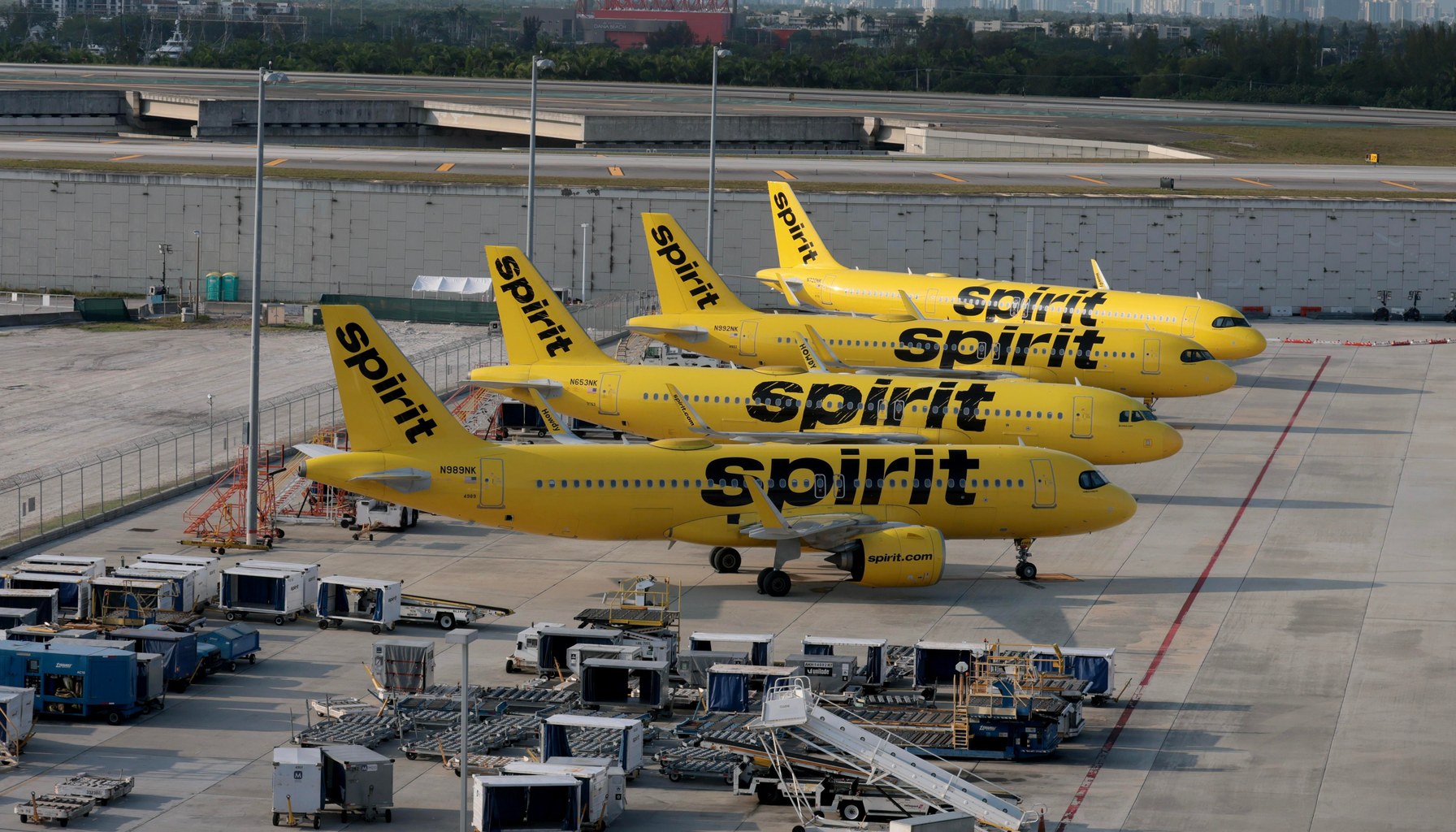
Spirit Airlines has shut down operations after 34 years, canceling all flights at 3AM ET.
In a startling turn for travelers, Spirit’s website now redirects to spiritrestructuring.com, instructing fliers not to report to airports as the lender and restructuring process unfolds. The abrupt shutdown left seats empty on every route the ultra-low-cost carrier served and stranded customers who had planned weekend trips or urgent business travel. In the air, traffic controllers and pilots signed off as Spirit’s last flights landed, marking a concrete end to a long-running bargain-basement option in the U.S. aviation market.
The event underscores how quickly a carrier can be priced out of existence when fuel costs surge. Spirit’s downfall is tied to a dramatic spike in jet fuel prices, a consequence cited in reporting that attributed the jump to geopolitical tensions and what’s described as a “war on Iran.” In practical terms, the fuel bill for flying a fleet of discount jets becomes a larger, less-flexible share of operating expenses, squeezing margins that already live on razor-thin lines for ULCCs. The Verge reports that jet fuel prices effectively doubled, a level that most price-sensitive carriers struggle to absorb without dramatic service changes or capital infusions.
Travelers who bought direct Spirit tickets were told refunds for credit card and debit card purchases have been issued. The company has not publicly outlined a timetable for refunds issued through third parties or travel agents, leaving a murky path for customers who booked through aggregators or corporate accounts. For now, the practical reality is clear: a point-to-point airline that once positioned itself as the cheapest door to the sky has simply vanished from the market, leaving behind unanswered questions about airport slots, vendor contracts, and the future of ultra-low-cost flying in the United States.
From a consumer perspective, this is not just a headline. It’s a case study in fuel-hedging risk, load-factor pressure, and the fragility of a business built on relentlessly thin margins. Spirit’s exit leaves airports with a notable gap in price competition on many routes and raises concerns about flight accessibility for travelers with tight budgets. It also reframes the cost calculus for the broader airline industry: when fuel spikes, options that promise the lowest base fare often implode first if they lack a resilient hedging strategy or diversified revenue streams.
Industry watchers will be watching for what comes next. Will another operator snap up Spirit’s coveted takeoff and landing slots at major hubs, or will the market consolidate around larger incumbents that can better weather fuel volatility? Will customers shift to other ULCCs, or will the disruption accelerate calls for greater consumer protections in refunds and for protection of booked itineraries in the event of a carrier bankruptcy? And how quickly will the restructuring process evolve to determine if a revived Spirit or a successor brand reemerges with a new financial backbone?
This episode is a reminder that, in aviation, price is only part of the equation. Access, reliability, and the ability to weather shocks in fuel, labor, and regulatory environments determine which players survive beyond the next quarterly earnings call.
- Spirit Airlines shuts down after Trump’s war on Iran doubled jet fuel pricestheverge.com / Source role not classified / Published MAY 02, 2026 / Accessed MAY 02, 2026