SVT Unveils Softbot Intelligence for Real-Time AI
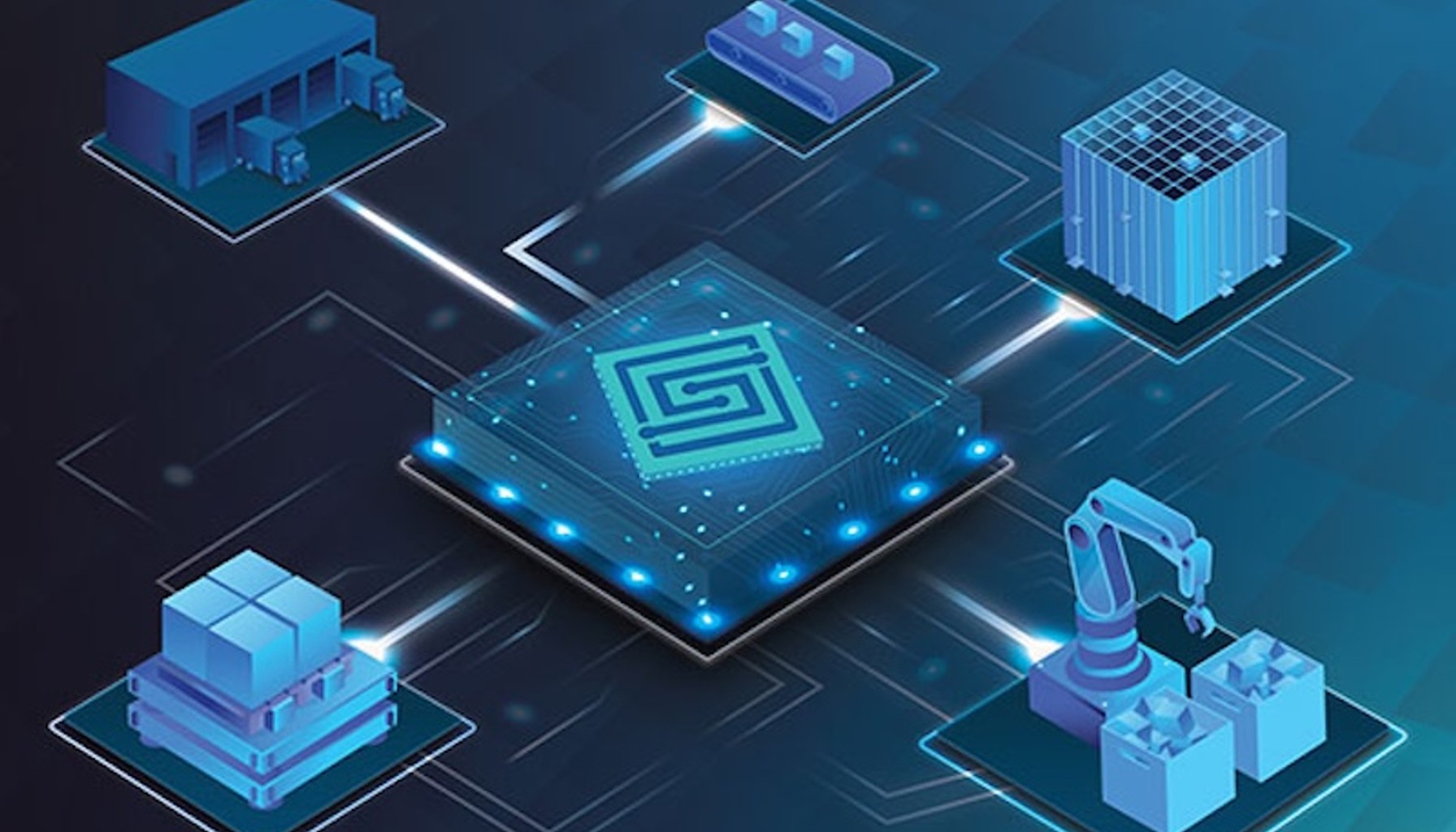
Softbot Intelligence turns live factory data into AI fuel.
SVT Robotics has launched Softbot Intelligence, a new data capability built on the Softbot Platform to capture and contextualize real-time execution data as it flows through integrated technologies. The aim is to create a high-fidelity data backbone for AI and analytics across live automation environments, from cobots and PLCs to MES and ERP signals. In practical terms, the platform promises a single source of truth for production performance, with context baked in—operator actions, sensor health, and line status all feeding predictive models and optimization routines in near real time.
This is more than a data-collection add-on. SVT’s pitch is that AI-driven automation depends on data that isn’t just abundant, but usable—cleaned, time-aligned, and richly contextualized. Softbot Intelligence is designed to ingest streams from disparate systems, normalize them, and expose a unified data fabric that engineers, operators, and AI tools can trust. The company frames the offering as a bridge between the shop floor and AI workloads: a “high-fidelity backbone” that reduces the friction between raw telemetry and automated decision-making.
Industry observers see the move as a natural evolution for interoperability platforms that have spent years stitching together OT and IT ecosystems. The real promise, they say, lies in how quickly teams can translate streams of events into actionable next steps—whether that’s adaptive sequencing on a line, condition-based maintenance triggers, or cross-factory benchmarking that’s no longer hampered by inconsistent data models.
From the shop floor to the boardroom, the implications are tangible. Integration teams now report that unlocking the value of Softbot Intelligence hinges on OT-IT alignment: standardizing data models, securing data flows across OT networks, and ensuring real-time latency remains within control-loop tolerances. Floor supervisors acknowledge that better visibility into line performance and bottlenecks could cut firefighting time, but warn that the platform’s benefits depend on disciplined governance and a clear ROI plan that ties data quality to measurable outcomes.
Two practitioner themes jump out. First, data quality and latency matter. Real-time AI workloads demand consistent, low-latency data delivery; any gaps between disparate systems can degrade model performance or require blunt fallbacks. Second, the deployment cost curve isn’t erased simply by adding a data backbone. ROI documentation reveals that value accrues fastest when the organization pairs Softbot Intelligence with targeted use cases—predictive maintenance, dynamic work sequencing, and cross-shipment visibility—rather than treating the platform as a universal cure-all. In other words, the ROI sweet spot comes from picking small, well-scoped pilots that demonstrate tangible cycle-time and uptime improvements before scaling.
Hidden costs don’t vanish with a shiny data backbone. Vendors rarely talk openly about the ongoing compute requirements, data governance overhead, and the change-management effort needed to make AI-infused decisions stick on the floor. For manufacturers, that means designating data stewards, investing in training for operators and engineers, and budgeting for secure edge-to-cloud infrastructure that can sustain continuous learning cycles. The risk, as always, is that a powerful data platform becomes a data-litigation engine if not paired with disciplined processes and clear ownership.
If Softbot Intelligence delivers on its premise, early deployments could unlock tighter cycle-time control and smarter line orchestration, with AI-informed decisions that reduce bottlenecks and optimize throughput across multiple cells. The industry will be watching for concrete, auditable metrics—cycle-time reductions, uptimes, and the precision of AI-driven adjustments—so CFOs can translate data backbone gains into real payback, not just theoretical potential.
In the end, SVT’s Softbot Intelligence aims to turn a sprawling sea of automation signals into a coherent, actionable map for AI on the factory floor. The question now is whether the data backbone can sustain orchestrated improvements at scale, or if the real challenge remains the organizational discipline to turn insight into sustained action.
- SVT Robotics launches ‘Softbot Intelligence’ to power AI with real-time automation dataroboticsandautomationnews.com / Source role not classified / Published APR 10, 2026 / Accessed APR 10, 2026