Temple Student Wins Scholarship, Builds AI Android
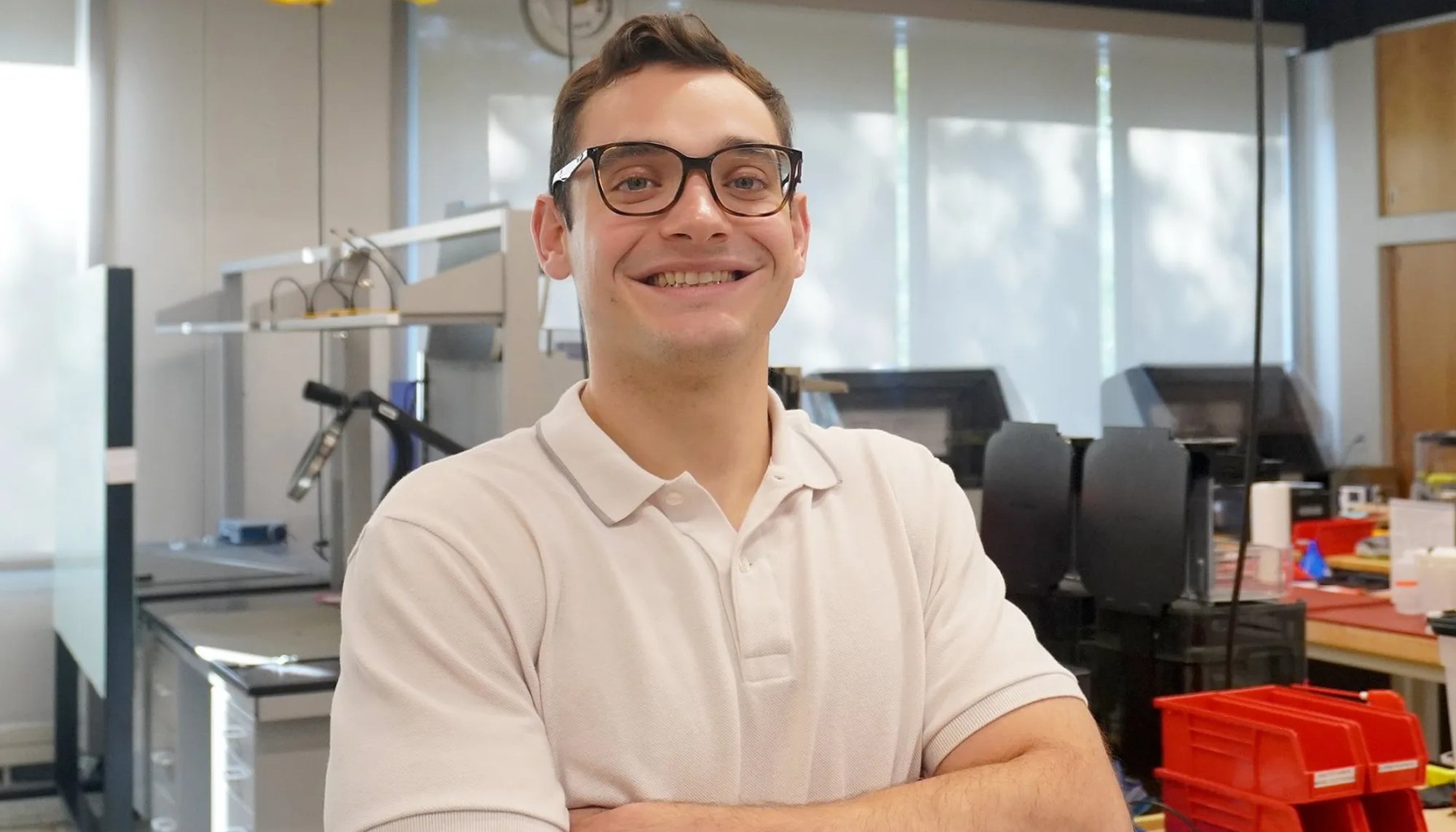
Temple student builds an AI home-care android and pockets a prestigious scholarship.
An electrical and computer engineering student at Temple University, Kyle McGinley, is quietly reshaping the campus narrative around robotics—he’s not only a junior with a heavy workload but a researcher who helped assemble an AI-integrated android companion designed to assist in-home caregivers. Engineering documentation shows his work centers on applying artificial intelligence to electrical hardware and robotics, a combination that’s become increasingly common on university projects aiming to bridge software cleverness with tangible hardware. The momentum around his work is underscored by a notable accolade: Temple recognized McGinley’s efforts last year with the Butz scholarship, awarded annually to an undergraduate in electrical and computer engineering who pursues software development, AI development systems, health education software, or similar fields. He’s also an IEEE student member, active in Temple’s student branch, a signal that his projects sit at the intersection of academic research and real-world application.
The “AI-integrated android companion” he helped build is the centerpiece of his profile. In public summaries, the device is framed as a caregiver assistant—intended to support in-home caregivers by handling routine tasks, monitoring, and potentially easing the load of daily interactions with patients. Demonstration footage and temple-centric write-ups point to a prototype that blends perception, communication, and basic manipulation to handle moderately simple in-home duties. Yet, essential technical specifics are thin in public materials. The engineering documentation reveals McGinley’s aim, the team’s direction, and the scholarship’s endorsement, but it does not publish DOF (degrees of freedom) counts or payload capacities for the android companion. Nor are there disclosed power specifications, runtimes, or charging requirements. In other words: the project is visible as a promising prototype, not a field-ready platform with published hardware budget or endurance figures.
That lack of published hardware detail matters for anybody evaluating readiness or risk. In humanoid robotics terms, turning an AI-capable controller into a reliable home assistant requires a coherent stack: dexterous manipulation (hands with sufficient DOF to grip and manipulate household objects), stable locomotion or a safe, restricted support for mobility, a robust perception system to navigate cluttered living spaces, and a power plan that can sustain meaningful runtimes without frequent recharge. The current public profile treats these elements as a work-in-progress rather than a finished product, which aligns with what you’d expect for a university-research prototype. The Technology Readiness Level is best described as lab prototype in controlled-environment testing, rather than field-ready deployment, based on the available documentation and campus-focused demonstrations.
Two practitioner realities surface from this backdrop. First, the hard constraints of dexterity and safety are the real gatekeepers. Without published DOF counts or grip capabilities, it’s impossible to judge whether the android could reliably fetch items, assist with transfers, or operate in the unpredictable geometry of a typical home. In caregiver scenarios, even small missteps—misinterpreting a gesture, dropping a light object, or an unexpected obstacle—become practical failure modes. Second, the business and user adoption hinge on more than clever AI. Data privacy, caregiver workflow integration, and predictable interaction models matter as much as raw intelligence. The field has learned that a smart assistant is not just a clever brain but a dependable partner in daily routines, with a battery life and charging plan that fit a caregiver’s schedule rather than the robot’s.
Compared to what we’ve seen in prior campus initiatives, McGinley’s work represents continued, incremental progress rather than a revolutionary leap. There is no public, documented baseline for this project to compare against; no published improvements to a previous generation are described in theTemple materials. What’s clear is the trajectory: AI integration into electrical hardware and robotics, recognition from a major engineering school, and an industry-aligned pathway through IEEE membership and the Butz scholarship. If the Android prototype proceeds to field testing, the next milestones will hinge on concrete DOF/payload disclosures, measurable runtime, and a defensible safety case that can survive real-world homes—tests that so many demo-reel products fail to survive in the light of day.
As McGinley continues, the industry will watch not just for a polished video, but for the hard numbers behind dexterity, endurance, and safety. In a caregiver market that demands both reliability and empathy, those numbers are what separate potential from product.
- Temple University Student Highlights IEEE Membership Perksspectrum.ieee.org / Source role not classified / Published APR 07, 2026 / Accessed APR 11, 2026