Tim Cook's Apple: Status Symbol Era
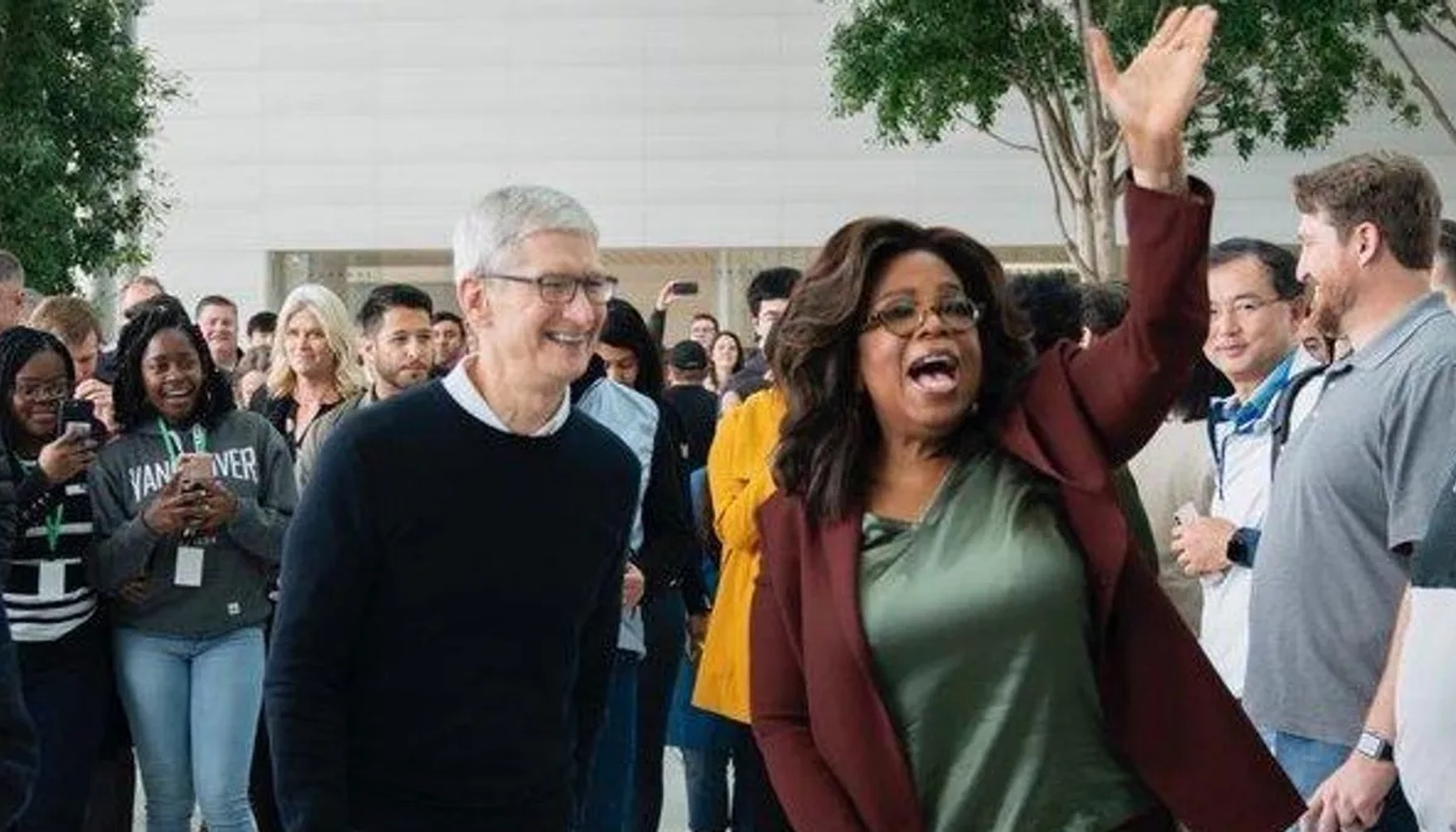
Apple products aren’t gadgets anymore; they’re social proof.
Since Tim Cook took the helm in 2011, Apple has quietly rebuilt its image from sleek gadget-maker to luxury brand with a tech backbone. The company’s rise has coincided with a cultural shift: owning an iPhone, a Mac, or an Apple Watch now signals not just capability, but belonging. The era is underlined by the old “green bubble” social cue in texting chatter—Android users lamenting or joking about iPhone users—while celebrities parade Apple Watches on red carpets and social feeds. In short: the devices are as much about identity as they are about features.
The recipe is straightforward but potent. Apple’s best-in-class industrial design, long-life hardware, and a marketing machine that frames devices as chic and indispensable have created social currency that transcends utility. The iPhone’s iconic silhouette, the tactile satisfaction of a finely engineered chassis, and a consistent, premium experience across products all contribute to a perception that ownership connotes taste and discernment. The Apple Watch, once a tech novelty, is now a fashion statement for some, with athletes and celebrities showcasing it as part of a lifestyle.
But the prestige isn’t just skin deep. Apple’s real power lies in its ecosystem and its privacy narrative. A seamless handoff between iPhone, iPad, Mac, and Watch makes switching hard, while the company’s emphasis on privacy as a product feature provides a stronger moral frame than most premium brands can muster. That combination—design excellence plus an ecosystem that locks in users—lets Apple justify a higher price tag, and it sustains profit margins even as hardware cycles lengthen and features commoditize elsewhere. The shift toward services—iCloud, Apple Music, App Store, and other subscriptions—keeps the prestige engine running without depending solely on gadget refreshes, reinforcing the social value of staying inside the Apple bubble.
From a practical standpoint, this prestige dynamic carries real consumer and market consequences. For buyers, the decision isn’t purely about specifications or price; it’s about social signaling, resale value, and a consolidated user experience that improves with each linked device. For competitors and retailers, the challenge is to deliver comparable social proof and reliability without duplicating Apple’s ecosystem choke points or pricing discipline. For Apple itself, the ongoing test is whether it can sustain exclusivity while broadening its services footprint and integrating new tech layers—like AI features and potential augmented reality experiences—without diluting the sense of premium belonging.
Two concrete practitioner insights emerge from observing this trend. First, prestige pricing works because social signaling compounds value: consumers are willing to pay a premium when a purchase is perceived as a status cue and a gateway to a trusted ecosystem. Second, the social proof effect is reinforced by media and celebrity behavior; when high-profile figures publicly embrace Apple devices, that endorsement ripples through markets far beyond tech enthusiasts. A risk worth noting: if the brand leans too hard into exclusivity, or if competing devices finally deliver on the “fashion meets function” promise, Apple’s social currency could fray. The firm must keep delivering not just features, but cultural resonance—without alienating budget-conscious buyers or developers who crave platform openness.
Verdict: Buy if you want seamless hardware-software synergy and social currency in one package; wait if you’re balancing budget against the allure of prestige; skip only if you actively dislike paying a premium for a closed ecosystem.
- Tim Cook's Legacy: Turning Apple's Tech Chic Gadgets Into Status Symbolscnet.com / Source role not classified / Published APR 21, 2026 / Accessed APR 22, 2026