Weather Intelligence Becomes Automation’s Hidden Dependency
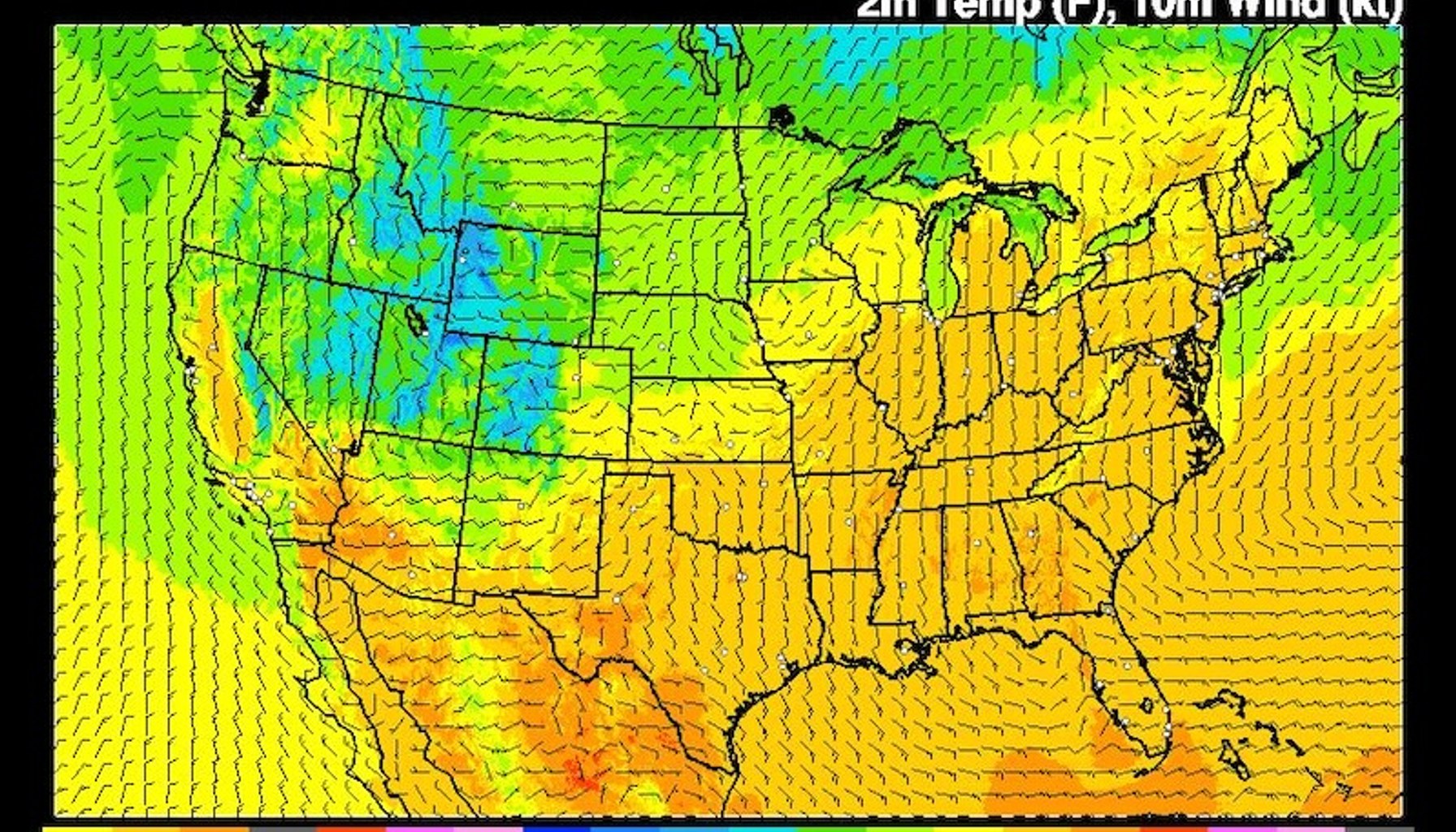
Weather data decides whether the robot line runs. In the current push to deeper automation, plants are discovering a stubborn, almost invisible constraint: the weather.
Automation systems pride themselves on precision, predictability, and minimal human intervention. Yet the very inputs they rely on—sensors, cameras, AI models—operate best when the outside world behaves as the model expects. When it doesn’t, performance softens in ways that aren’t captured by uptime dashboards or demo-day videos. The core issue, as industry observers note, is a hidden dependency: weather intelligence.
Production data shows that environmental conditions seep into every corner of the cell. Temperature swings can alter lubricant viscosity, sensor drift, or conveyor belt tension; humidity can affect coatings, adhesives, and material handling in ways that ripple through cycle times. These effects aren’t obvious in a controlled lab setting, and without weather-aware inputs, control algorithms can mis-tune equipment, leading to small but persistent inefficiencies that add up to real throughput losses. When weather feeds are missing or poorly integrated, the automation draws the wrong conclusions about when to act, producing jitter in line speed, edging shift cycles toward waste, and complicating preventive maintenance schedules. Integration teams report that weather data is the missing piece in many ROI calculations, and floor supervisors confirm that unplanned interruptions cluster around weather events that the system didn’t see coming.
ROI documentation reveals a wider pattern: projects that treat weather as a first-class data input—not a nuisance—tend to outperform those that bolt weather onto a dashboard as an afterthought. Operational metrics show that when weather intelligence is embedded, planners can adjust schedules, buffers, and tool paths in near real time, reducing mismatches between demand, material availability, and line speed. But the path to weather-aware automation isn’t free of friction. Vendors promise “seamless integration,” yet plant teams quickly learn that the cost isn’t just software licenses; it’s data contracts, feed reliability, and the engineering hours spent harmonizing disparate systems. The hidden costs—data licensing, latency guarantees, and ongoing calibration—show up in annual maintenance budgets and in the time operators spend validating models before each shift.
For practitioners, the lesson is practical and sobering. First, weather feeds must be timely and trustworthy; a stale forecast can be as disruptive as no forecast at all. Second, the integration burden is real: you’re not just wiring a sensor; you’re stitching together industrial controllers, edge devices, and ML models with governance around data provenance. Third, even with weather intelligence, human labor remains essential. Operators still need to monitor anomalies, validate model outputs, and override automatic decisions when conditions shift in unpredictable ways. Finally, the payoff, when realized, hinges on disciplined change management: ensuring that maintenance cycles, spare parts, and training plans align with the new data-driven workflow rather than becoming afterthoughts.
In the broader outlook, the industry will likely move toward embedded weather intelligence as a standard component of automation platforms. The argument is no longer whether weather matters, but how robustly it’s integrated. Plants that invest now in weather-aware control—designing for data quality, redundancy, and transparent provenance—stand to gain not just smoother cycles but predictable paybacks as automation scales across lines and sites.
What to watch next: (1) how quickly vendors offer modular weather data packages with clear SLAs, (2) whether plants standardize on edge-friendly architectures to limit latency, and (3) how training programs adapt to a data-centric, weather-informed operating model. The lesson from the field is clear: weather intelligence isn’t optional any longer. It’s the invisible hand guiding where—and how fast—your automation actually runs.
- Why Automation Systems Fail Without Weather Intelligenceroboticsandautomationnews.com / Source role not classified / Published APR 10, 2026 / Accessed APR 11, 2026