Weather Intelligence Keeps Automation Honest
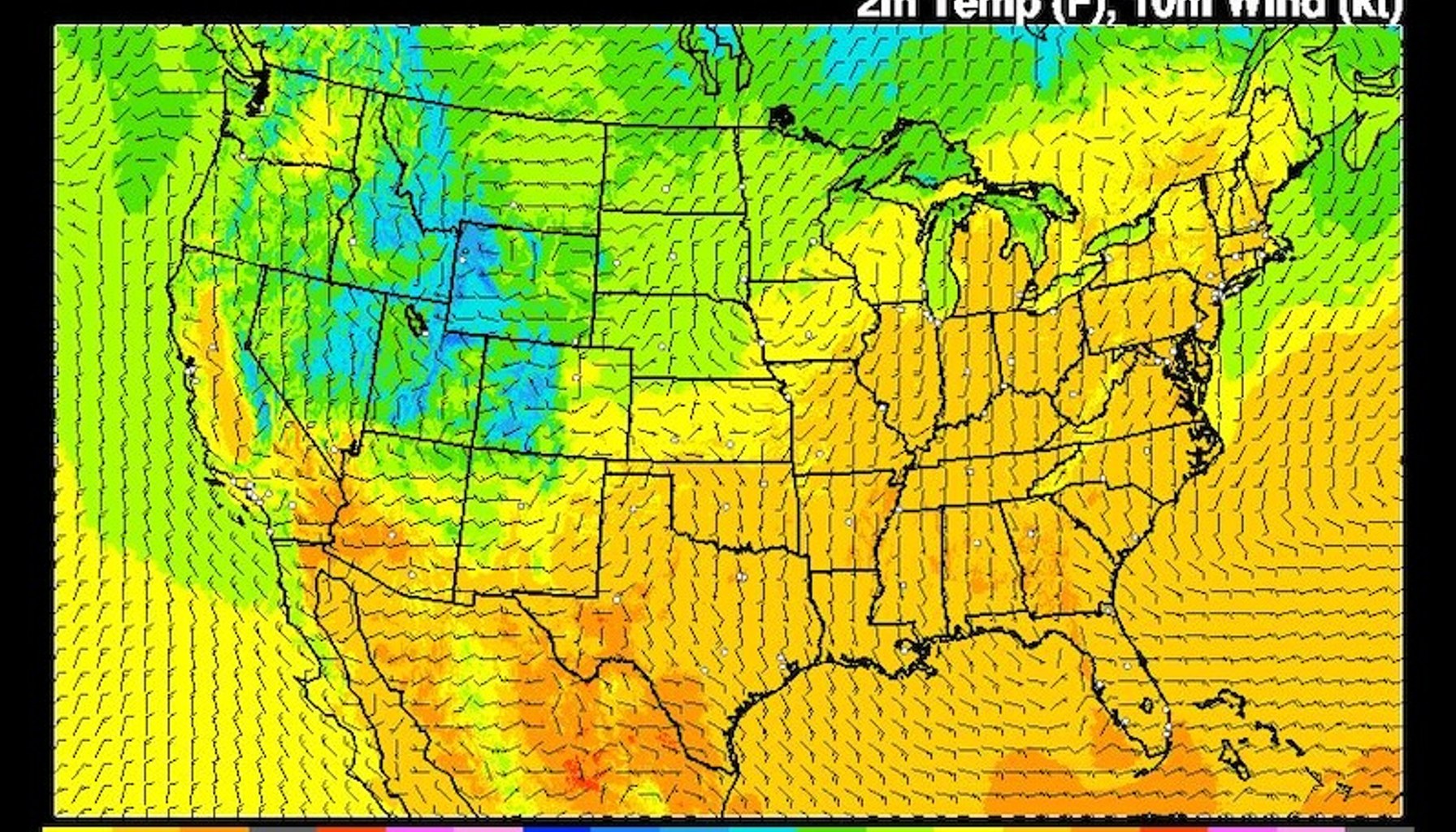
Weather intelligence isn’t optional—it’s the silent bottleneck in every robot cell.
A report from Robotics & Automation News, published April 10, 2026, argues that automation systems nearly always stumble when weather data is treated as an afterthought. The piece contends that precision machinery, from autonomous robots to logistics networks, depends on a steady stream of weather inputs to stay aligned with real-world conditions. Without it, sensors get noiseier, machine-learning models skew, and control loops drift, turning a once-robust deployment into a jittery performance menace.
In practical terms, the story argues, weather is a hidden variable that can wipe out the gains that clever software and well-tuned PLCs promise. Dust, humidity, temperature swings, and wind-driven disturbances can corrupt vision systems, misreadings, and path planning decisions. Production data shows that when weather feeds aren’t integrated into the automation stack, plants see a higher rate of unexpected stops, poor part quality, and calibrations that need rework after every changeover. The takeaway is stark: weather inputs must be treated as a core data stream—not an optional sensor array tucked in a corner of the plant.
Integration teams report a stubborn truth: weather data must be fused early into the control and planning layers, not at the dashboard. Floor supervisors confirm that even minor lag between a weather event and the corresponding adjustment in a robotic cell can translate to wasted seconds per cycle and suboptimal throughput. The article’s anecdotes aren’t about a single demo; they’re about how weather intelligence underpins day-to-day reliability across automation platforms, from pick-and-place lines to flexible manufacturing cells.
Two to four practitioner insights emerge from the discourse and the broader industry context:
Industry observers caution that weather intelligence reshapes the very definition of a reliable automation rollout. It’s not just about adding a new sensor or a weather app; it’s about designing a data fabric where climate, environment, and process signals talk to one another in real time. When done well, the payoff isn’t just fewer jams or higher uptime; it’s a credible path to sustained throughput gains and less rework in a world where drift—drives—not just defects, will derail a production plan.
In short, the article frames weather intelligence as the difference between “it works in the lab” and “it works in production.” Integration teams report that the payoff surfaces as measurable improvements in uptime and stability—provided the weather signal is treated as a core control variable, with proper latency budgets, validation, and cross-disciplinary governance.
- Why Automation Systems Fail Without Weather Intelligenceroboticsandautomationnews.com / Source role not classified / Published APR 10, 2026 / Accessed APR 10, 2026