Weather Intelligence Rescues Automation
By Maxine Shaw
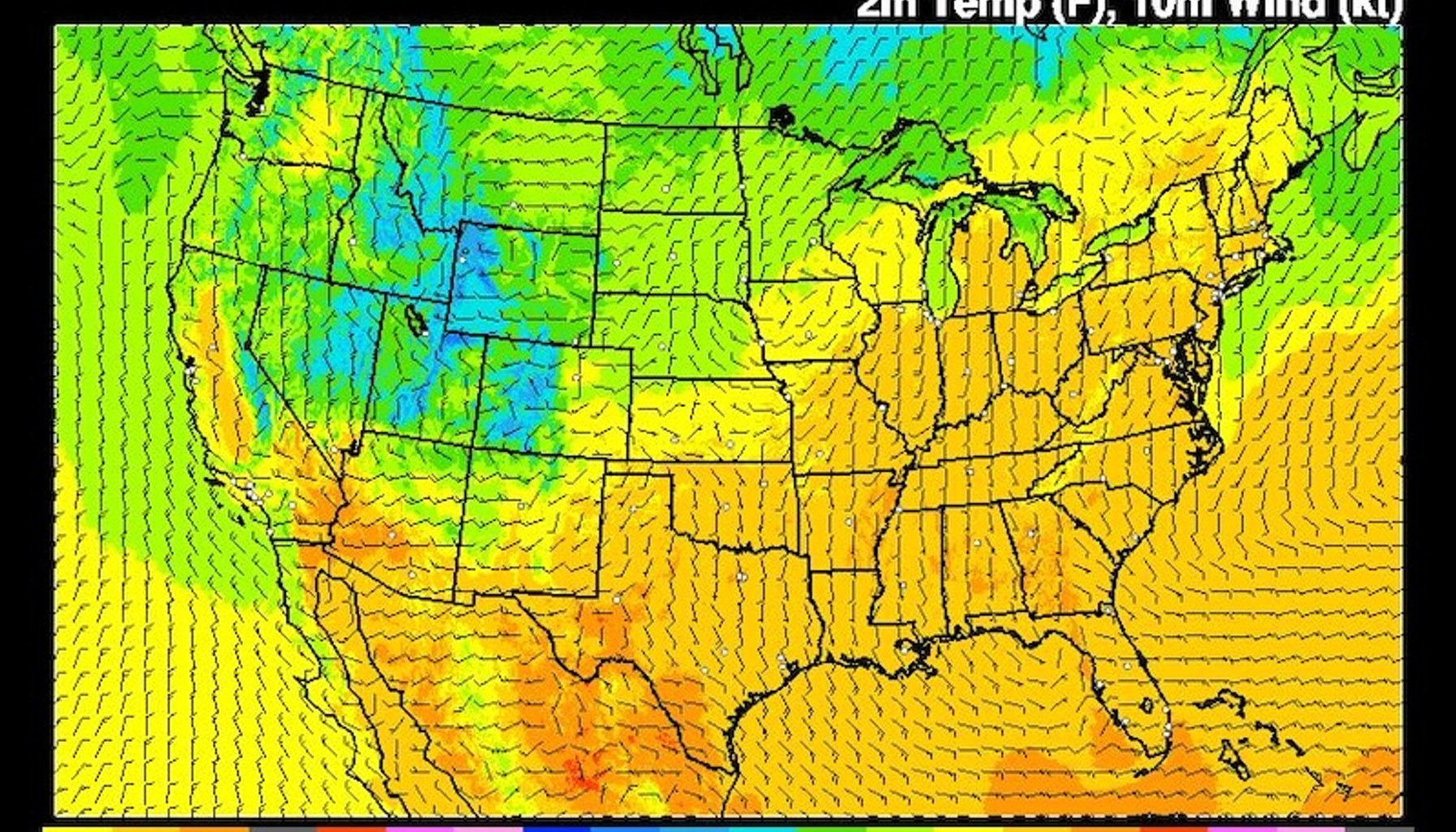
Image / roboticsandautomationnews.com
Weather data is the missing gear in smart factories.
Automation systems are built for precision, but they’re also systems that depend on reliable, timely inputs. The piece on weather intelligence argues that the most disruptive blind spot in modern automation isn’t a faulty sensor or a rogue robot—it’s environmental data that isn’t integrated into real-time control decisions. When weather inputs are treated as a peripheral feed rather than a core data stream, the best automation can still stumble, stall, or underperform.
In practice, that gap shows up in multiple flavors. Outdoor and semi-enclosed processes feel the weather in real time: gusty winds throwing off outdoor AGV routes, heat spikes altering material properties, or humidity shifting sensor calibration and optical measurements. Inside the plant, microclimates matter too. A welding cell near a vent might run fine until a shift in temperature drifts the weld pool characteristics, or a paint line’s humidity spike affects film formation and cure times. The point is blunt and practical: even the most advanced control loops crumble when the environment isn’t accounted for at the data level.
From a deployment perspective, the challenge is how to fuse weather intelligence with the automation stack without turning the project into a data plumbing nightmare. The article highlights the need to move weather feeds closer to the control layer—edge processing where latency is predictable and data formats are PLC-friendly—rather than relying solely on cloud forecasts that may lag or miss microclimates. It’s not just about “getting the weather” into the PLC; it’s about harmonizing forecast, live readings, and plant telemetry into a single, robust decision layer. That requires careful data normalization, fault handling, and testing across a spectrum of weather scenarios before go-live.
The integration footprint matters too. Expect to allocate space for a weather gateway enclosure, a reliable power source, and network connectivity that can survive plant-level interference. IT/OT collaboration becomes nonstop: choice of weather data sources, frequency of updates, and the procedures for rollback when forecasts don’t align with ground truth. Operators need training hours to interpret weather-driven actions—no automation system should spur a cascade of “we did that once because the forecast said so” without human oversight and clear exception handling. Even with a weather-aware design, humans still triage anomalies, validate outputs, and recalibrate sensors when environments change.
Hidden costs creep in as well. Weather data subscriptions, calibration cycles, and software maintenance are real line items that aren’t always disclosed upfront. The article’s central warning is to treat weather intelligence as a first-order dependency, not a nice-to-have addon. Without it, a deployment risks chronic drift between intended process windows and actual performance, leading to missed targets, rework, or downtime during weather-driven pressure events.
As the discussion makes clear, the surprise isn’t the demo—it’s the data. When weather intelligence is properly embedded, automation stands a better chance of delivering on its promises: steadier cycle times, fewer surprises in high-variability environments, and a more predictable path to scale. The practical takeaway for plant managers and automation engineers is straightforward: insist on weather-aware control as a core capability, and plan the project with the weather as a first-class partner, not an afterthought.
Sources
Newsletter
The Robotics Briefing
Weekly intelligence on automation, regulation, and investment trends - crafted for operators, researchers, and policy leaders.
No spam. Unsubscribe anytime. Read our privacy policy for details.