What we’re watching next in humanoids
By Sophia Chen
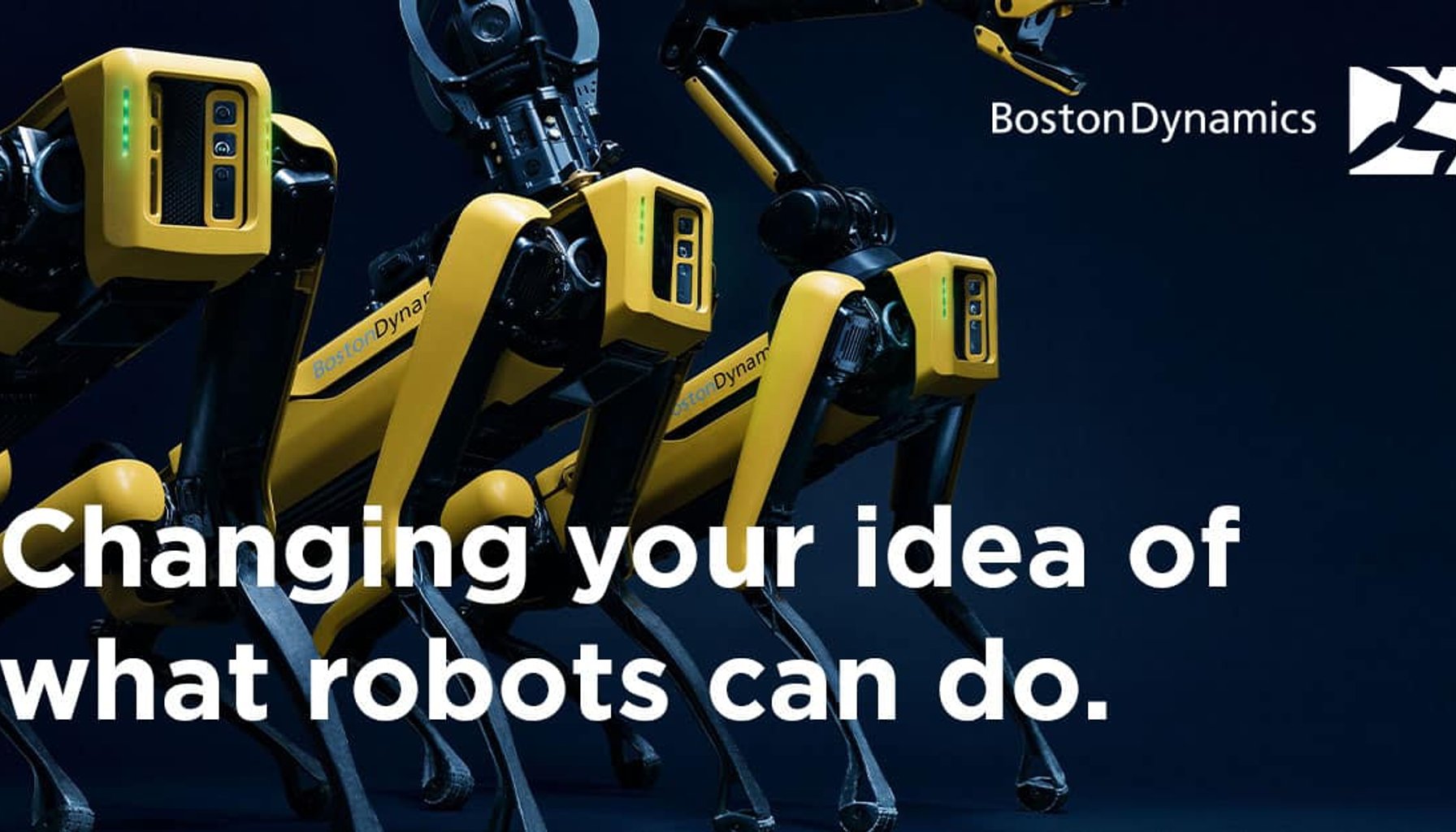
Image / bostondynamics.com
Humanoids finally moved from demo reels to real work.
IEEE Spectrum Robotics reports that engineers are closing the loop on perception, manipulation, and balance, making already-impressive demos look more repeatable in controlled settings. The Robot Report chronicles a flurry of partnerships and joint ventures aimed at pushing humanoids from lab chalkboards into controlled environments—think factories and research campuses where a humanoid can operate alongside people without triggering alarm bells. Boston Dynamics’ public materials underline a continued emphasis on dynamic gait and stable, bouncy balance, with demonstrators showing more reliable locomotion over varied terrain. Put together, these sources sketch a field inching toward field readiness, not merely glossy showcases.
But the path is narrow. Engineering documentation shows that the gains are real—more capable hands, better tactile feedback, and smarter locomotion—but lab tests still dominate the narrative. Demonstration footage shows smoother steps and more predictable object handling, yet the leap to safe, reliable operation in unpredictable human-centric environments remains a choke point. The technical specifications reveal a tug-of-war between payload capacity and dexterity, while published benchmarks confirm that endurance, autonomy, and quick recovery from faults are the kinds of improvements that move a robot from “clever gadget” to “workable teammate.” In short, we’re seeing significant, verifiable progress, but not a flood of field-ready humanoids—yet.
Two practical threads stand out for engineers and investors watching the space. First, energy and actuation remain the most stubborn bottlenecks. Even as actuators grow more powerful and efficient, the energy density of onboard power and the thermal budgets of continuous, high-tidelity control still cap runtime and gritted-edge tasks. Second, perception-in-action reliability is improving, but edge-case safety in busy environments is a nontrivial hurdle. Autonomous decision-making in the presence of people, pets, and moving equipment requires robust sensing fusion, fault recovery, and fail-safe behaviors, all of which tend to tighten the integration envelope and cost. These are the reasons field deployments remain measured and deliberate, even as demos look more convincing.
What the industry needs next is a credible, independently verifiable glide path from lab to field. That includes transparent run-time data, standardized safety attestations, and comparable benchmarks across teams. The momentum reflected in the sources is real: more capable hands, improved balance, and better manipulation. But the next inflection point will be proving that these systems can operate reliably for hours on real tasks in shared spaces, without constant human oversight.
What we’re watching next in humanoids
Sources
Newsletter
The Robotics Briefing
Weekly intelligence on automation, regulation, and investment trends - crafted for operators, researchers, and policy leaders.
No spam. Unsubscribe anytime. Read our privacy policy for details.