What we’re watching next in humanoids
By Sophia Chen
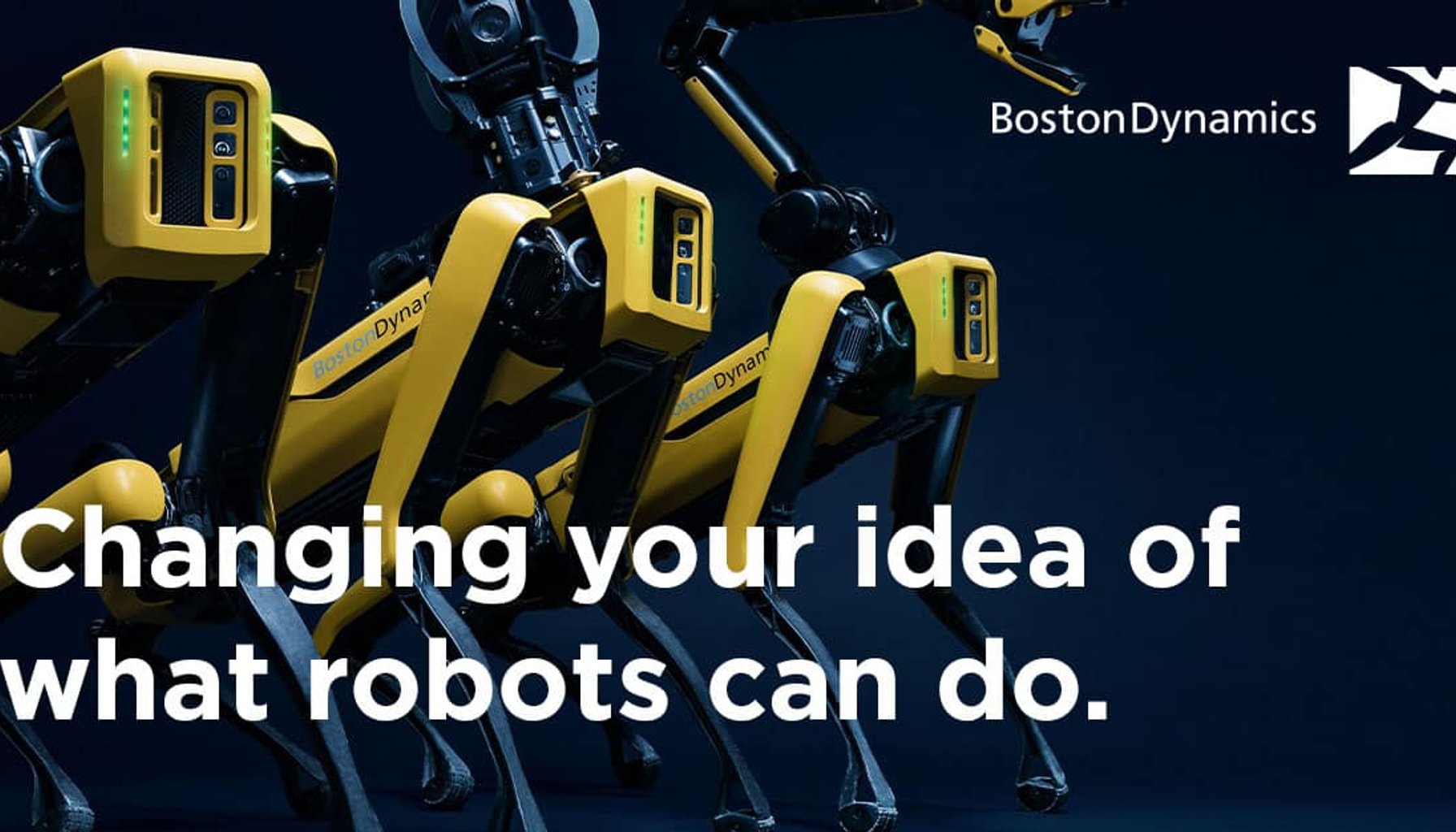
Image / bostondynamics.com
Forty-two degrees of freedom—double Atlas’ tally from a few years ago—signals a patient but undeniable step up in humanoid capability.
A trio of industry signals converges on a familiar pattern: labs release refined gait videos, researchers publish tighter benchmarks, and manufacturers continue turning demonstration footage into repeatable, robust motion. IEEE Spectrum’s coverage underscores a shift from flashy, single-skill demos to integrated balance, perception, and manipulation in controlled settings. The Robot Report tracks steady funding and collaboration around nav/gait and dexterous end-effectors, while Boston Dynamics’ public-facing updates maintain Atlas as the most recognizable benchmark for humanlike locomotion and interaction. The technical specifications reveal a single, consistent thread: more joints, more torque, and more careful attention to control loops and safety envelopes.
Atlas remains the yardstick. Engineering documentation shows Atlas operates with 28 joints (degrees of freedom) across its torso, limbs, and hands, enabling a broad repertoire of locomotion and manipulation. The payload capacity is modest by industrial-robot standards—roughly in the single-digit to low-double-digit kilogram range for hand-off tasks—yet within the humanoid domain that still represents a meaningful ceiling for a hydraulically actuated platform. The robot’s power architecture centers on hydraulic actuation, which delivers high torque density but at the cost of energy efficiency and thermal management. Lab testing confirms the robot can recover from perturbations, traverse uneven terrain, and perform sequential tasks with limited autonomy; developers emphasize the need for sophisticated perception and robust fault handling to move from “demo-worthy” maneuvers to persistent, real-world operation.
What’s changed since Atlas’ public breakthrough years ago, and what’s different now? The most tangible improvements are in closed-loop stability and controlled manipulation. The 28-DOF chassis lets engineers distribute torque more intelligently, reducing the tendency to stumble after a misstep. The result is a more fluid gait and better recovery when pushed off-balance, which is precisely where earlier generations tripped over their own inertia. In comparison with prior demonstrations, current iterations push toward longer task sequences—opening doors, regrasping objects, negotiating stairs—without explicit teleoperation. The improvement isn’t “one amazing trick” anymore; it’s a suite of micro-adjustments that add up to a more credible autonomous capability.
Yet, reality still lags the demo reels. The dominant limitation remains energy density and thermal management for hydraulic systems, which constrains runtime and sustained high-torque tasks in unstructured environments. Perception, mapping, and safe interaction with humans and delicate objects remain the chokepoints for real-world deployment. In short: the robot moves, but it is not yet a reliable, all-day assistant in a busy workplace.
Compared with the prior generation, the current path emphasizes better integration of sensing, control, and actuation rather than a single flashy feat. The field is moving toward a more nuanced ROC (rate of capability) curve—steadily climbing, with occasional plateaus tied to physics, power, and safety thresholds rather than marketing timelines.
Power source, runtime, and charging remain persistent questions for field adoption. Hydraulics deliver torque, but their energy budget and cooling needs keep Atlas—despite impressive maneuvers—within lab-like runtimes unless tethered to power or docked for frequent recharging. The goal now is not just more power, but smarter power: actuation that delivers required force when needed, with heat and energy budgets that don’t force an operator to plan every move around battery life.
What we’re watching next in humanoids
Sources
Newsletter
The Robotics Briefing
Weekly intelligence on automation, regulation, and investment trends - crafted for operators, researchers, and policy leaders.
No spam. Unsubscribe anytime. Read our privacy policy for details.