What we’re watching next in industrial
By Maxine Shaw
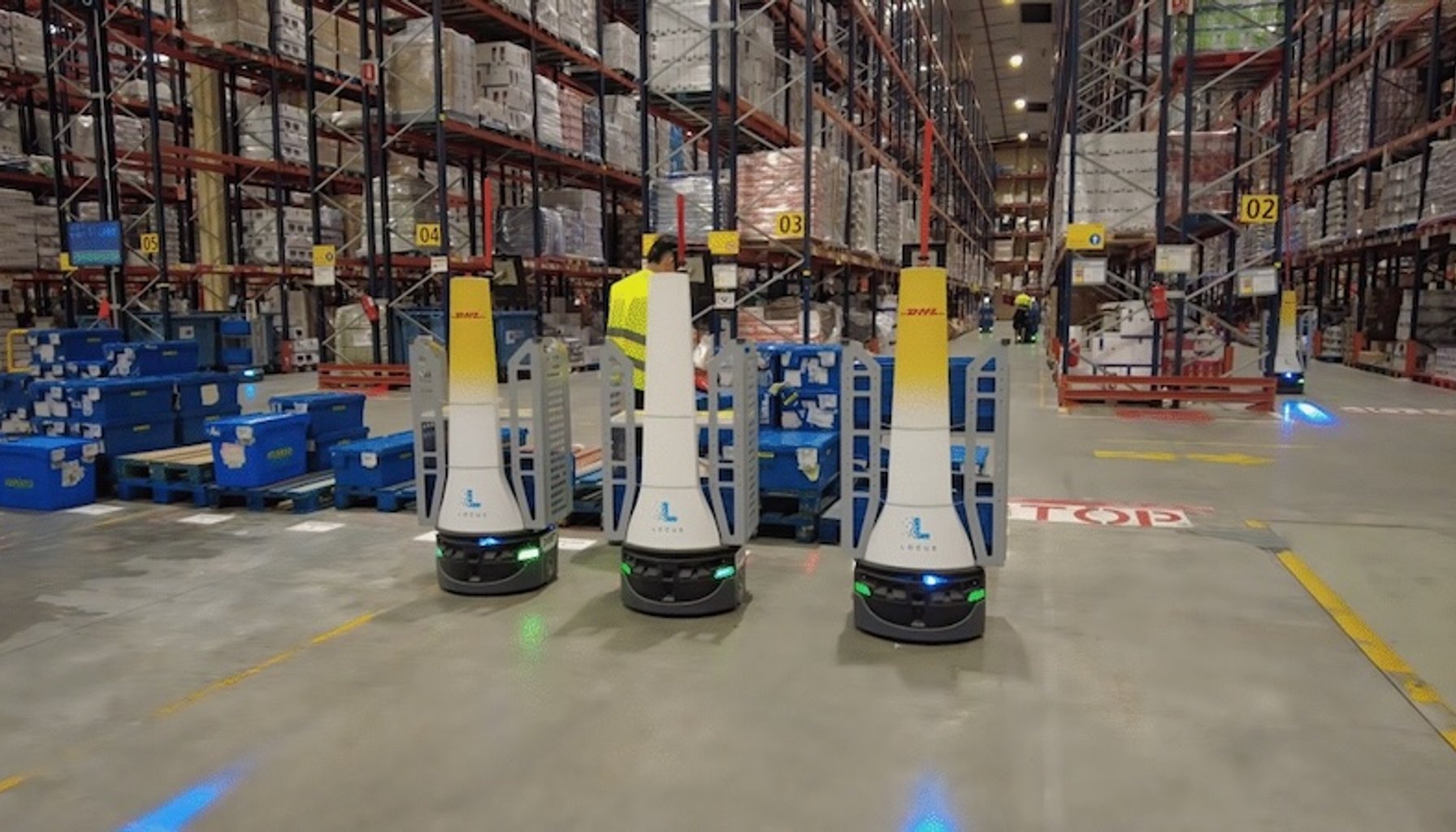
Image / roboticsandautomationnews.com
A billion picks later, DHL and Locus Robotics prove robots scale in real networks.
DHL Supply Chain and Locus Robotics crossed a milestone that smugglers of hype can’t glitter away: one billion warehouse picks completed by autonomous mobile robots operating inside DHL’s global fulfillment network. The landmark, performed inside an active DHL facility, isn’t a glossed-up demo—it’s production data showing that an AMR fleet can sustain operation at scale across multiple sites, with real workers and real orders guiding the flow. In short, the deployment has moved from “we can do this in a lab” to “we’re doing this in a network.”
Production data shows the milestone wasn’t earned by a single shiny shift. It reflects a cadence of routine routine tasks—picking, replenishment, and zone concessions—where the robots repeatedly shoulder repetitive work while human teams handle exceptions and optimization. Operators and integration teams report the pilots and deployments have matured into day-to-day throughput, with fleet management and WMS coordination becoming part of standard operating procedures rather than a quarterly upgrade project. The milestone underscores not just the robots’ mechanical reliability, but the organizational discipline that makes deployment sustainable: governance over charging schedules, fault-handling playbooks, and the training rails for floor staff to troubleshoot basic faults without halting the line.
The story isn’t just about the robots moving faster. It’s about the reliability of a network that ties together mobility, software, and human labor. Floor supervisors confirm that the robot fleet now operates with predictable cycle times across shifts, reducing manual picking intensity in high-demand corridors. Yet the human element remains essential: humans still resolve layout changes, exceptions from suppliers, and quality checks that don’t translate neatly into an automated pick. The deployment demonstrates a growing maturity in the “robot as a living cell” model—where automation is a steady, reconfigurable part of the fulfillment engine rather than a single, bolt-on project.
From a deployment perspective, this milestone highlights what every logistic operator will watch next: the integration load. The project demands floor-space planning for robot aisles and charging hubs, reliable power provisioning for continuous operation, and a robust training program for operators, supervisors, and maintenance staff. It also reveals the ongoing need for cross-system integration—the robots must speak to the warehouse management system and the order-picking logic in real time without introducing bottlenecks. Vendors rarely highlight the hidden costs, but in practice the successful scale-up comes with careful layout design, periodical retraining, and a disciplined approach to preventative maintenance and spare parts planning.
What this milestone means for the broader automation dialogue is clear: scale is finally translating into sustained, measurable outcomes in a live network, not just a demo. The next phase will test how far the model can travel across DHL’s network—more sites, more SKUs, more simultaneous tasks—without eroding the gains already achieved.
What we’re watching next in industrial
Sources
Newsletter
The Robotics Briefing
Weekly intelligence on automation, regulation, and investment trends - crafted for operators, researchers, and policy leaders.
No spam. Unsubscribe anytime. Read our privacy policy for details.