π0.7 A New Robot Brain Takes General-Purpose Aim
By Sophia Chen
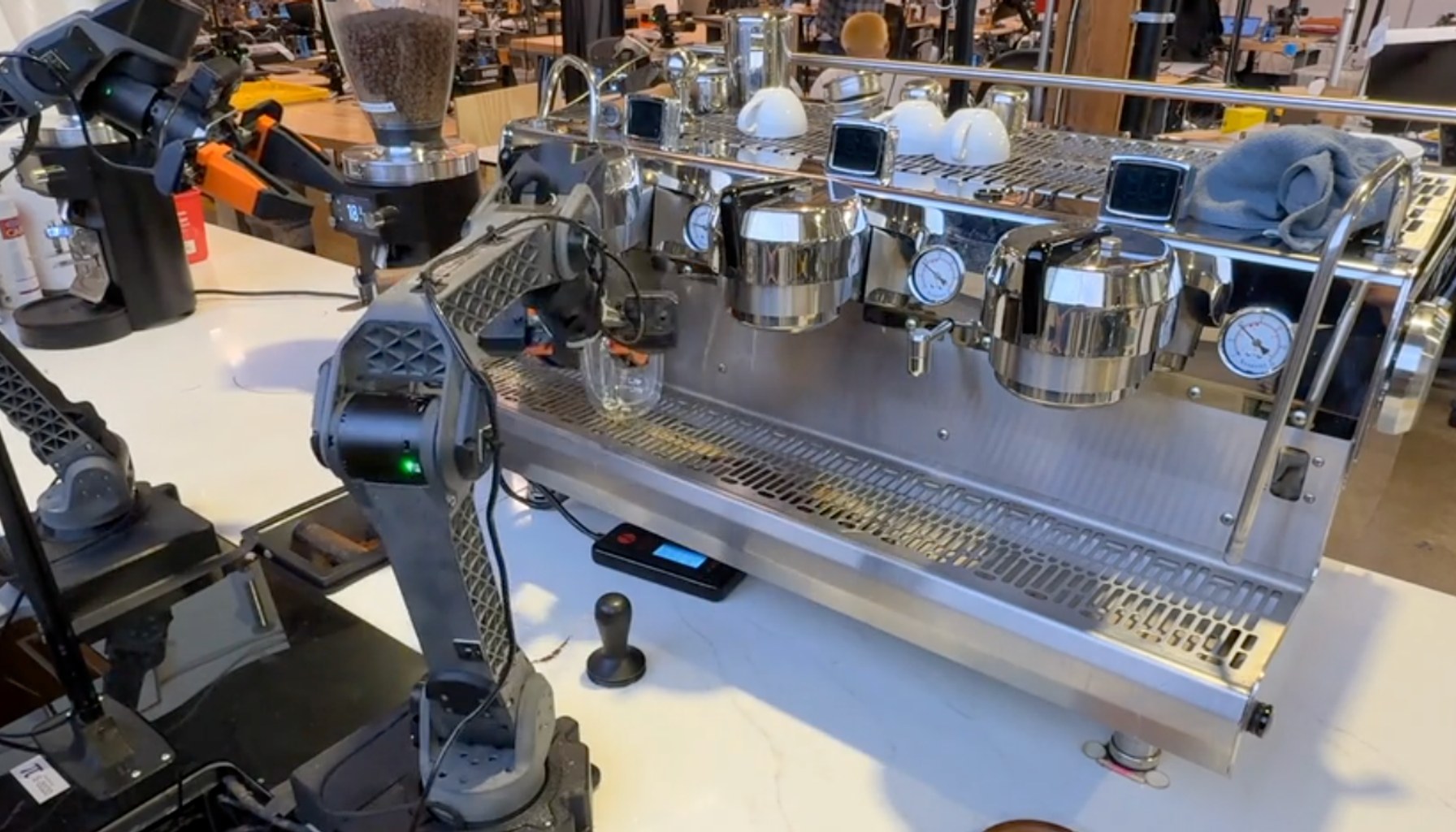
Image / techcrunch.com
π0.7 can figure out tasks it was never taught.
Physical Intelligence is rolling out a new “robot brain” called π0.7, pitched as an early but meaningful step toward a general-purpose controller for humanoid platforms. The startup argues the model can infer and execute tasks it hasn’t been explicitly programmed for, a capability it frames as a core hurdle toward truly versatile robots. TechCrunch describes the move as a notable pivot from task-specific programming toward broader, learning-driven autonomy—though the company remains clear that this is still an early-stage capability, not a finished product.
What exactly π0.7 does under the hood is intentionally framed as a capabilities leap rather than a finished, plug-and-play solution. The article notes a shift toward generalization: the brain is trained to leverage patterns across tasks so it can “figure out” new ones with minimal direct instruction. In practical terms, that means the system aims to reduce the cycle time between concept and execution for new chores—an important bottleneck in humanoid deployment where every novel task used to require bespoke programming or extensive demonstrations. The big claim is that a single model can handle a broader range of actions without task-by-task retraining, something that would dramatically change how service and industrial humanoids are prepared for day-to-day work.
One important caveat: the piece makes clear there are substantial details it does not publish. The article does not disclose DOF counts (degrees of freedom) or payload capacity for any humanoid the π0.7 brain would drive, nor does it publish power, runtime, or charging requirements. In other words, the headline capability—learning to do new tasks without being taught—comes with a lack of hardware-in-the-loop data. For R&D teams, that creates a classic “tech principle versus system integration” gap: a powerful brain is only as useful as the actuators, sensors, and power hardware it can sit in front of. Without published DOF/payload or energy specs, it’s not possible to assess how a given humanoid might perform in real-world duties, nor how the brain scales across platforms.
Compared with prior generations of robot-learning efforts, π0.7 appears to emphasize generalization more than task-specific proficiency. The report frames this as an incremental improvement—a step toward a universal interface rather than a new, ready-to-deploy humanoid. In that sense, it aligns with a long-running industry hope: a single core intelligence that can flex into many hardware configurations. But demonstration footage or independent benchmarks remain sparse, and the usual cautions apply: a convincing demo reel is not a field-ready robot, and the real test is consistent, real-world performance over months of operation.
From a practitioner’s vantage, there are several hard constraints to watch. First, the “sim-to-real” and generalization gap is still the killer in humanoid robotics; a brain that learns in curated conditions may stumble when the world’s inputs drift (glare, clutter, soft grasping). Second, the power and thermal budget of any on-board brain matter—the run-time and charging cadence directly shape daily productivity. Third, safety and reliability aren’t optional when a generalist brain makes on-the-fly decisions near humans and delicate objects; rigorous safety rails, verifiable failure modes, and predictable fallbacks are essential before any field trials. Finally, investors will want clear TRL signals: lab demonstrations backed by independent testing, with hardware partnerships announced and timelines for field pilots.
In short, π0.7 is a noteworthy step in the long arc toward general-purpose robot intelligence, but it is still a lab-stage capability without disclosed DOF/payload or power specs. The real story will hinge on how it couples with actual humanoid hardware, how robust its generalization remains in the wild, and whether independent benchmarks corroborate the claims. Demo reels inspired, reality still in progress.
Sources
Newsletter
The Robotics Briefing
A daily front-page digest delivered around noon Central Time, with the strongest headlines linked straight into the full stories.
No spam. Unsubscribe anytime. Read our privacy policy for details.