Stealth Signals Bypass Iran Internet Blackout
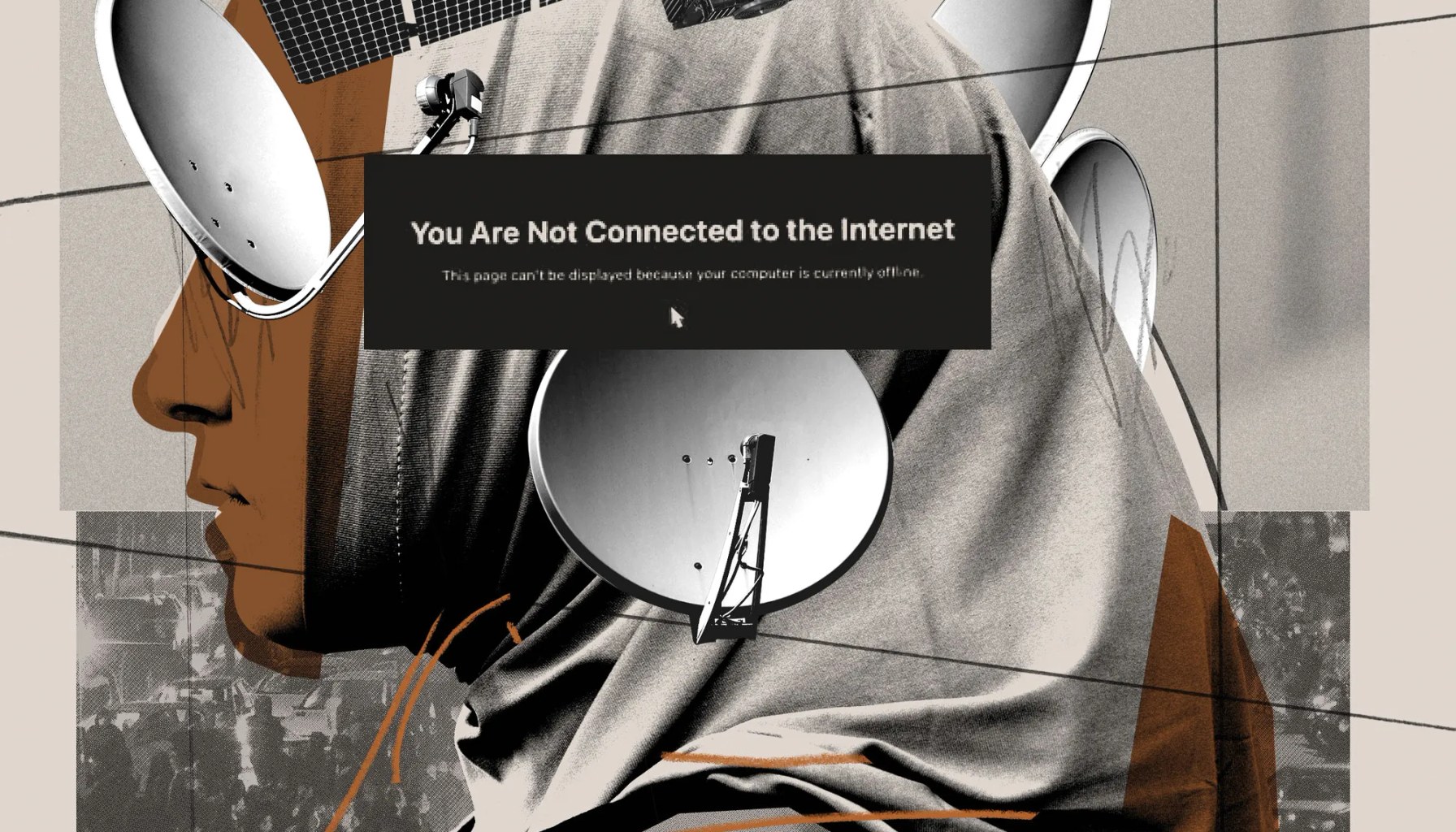
Files rode on satellite TV signals to defy Iran's blackout. On January 8, 2026, Iran imposed a near-total communications shutdown that left more than 90 million people disconnected from the world—and from one another. By the time U.S. and Israeli airstrikes in late February intensified restrictions, the country’s information flows were once again choked off. In that crucible, a small, stubborn idea found its footing: Toosheh, a system designed to push data through the very broadcasts Iranians are forced to receive.
NetFreedom Pioneers (NFP) turned to Toosheh—a method they had prepared for moments exactly like this. The project relies on the ubiquity of satellite TV transmissions, embedding data into ordinary broadcasts so that anyone with a dish and a decoder can retrieve files when the internet and mobile networks fail. It is not a trick that expands bandwidth or creates a backchannel; it is a one-to-many, broadcast-assisted last-mile solution that sidesteps the conventional gatekeepers of the information age.
Engineering documentation reveals the core idea: you piggyback information onto existing satellite TV signals, letting the broadcast reach households without requiring an internet backbone. The result is not streaming video but a data payload that a compatible receiver can assemble after standard reception—essentially turning a mass media conduit into a portable information loom for emergency dissemination. In practice, that means people who still have a satellite dish can pull down documents, photos, or even software packages during a blackout, without relying on online connectivity that the regime can throttle or sever at will.
From a readiness standpoint, the project sits in a field-usable niche rather than a consumer-ready product. The timing of the deployment—during an actual nationwide information blackout—signals field applicability rather than a controlled lab demonstration. Demonstration footage shows the approach in action under real-world constraints, and the broader narrative of NFP’s work suggests a system designed for resilience in environments where censorship and outages are the default, not the exception. In other words, Toosheh appears to be at a field-ready level for crisis scenarios, even if it isn’t a mass-market discipline on par with conventional broadband.
The episode exposes several honest limitations. First, the method is inherently one-way: information travels from broadcaster to viewer, with little or no feedback channel unless paired with other, independent networks. That makes it ill-suited for interactive services or real-time collaboration. Second, coverage is tethered to satellite footprints and the reach of home receivers; even strong signals cannot guarantee universal access in all regions, especially those with sparse satellite visibility or harsh weather. Third, the security profile is nuanced: data carried by a broadcast can be intercepted or reassembled by any compatible receiver, so encryption and integrity checks become essential if the payload is sensitive. Finally, the model depends on functioning broadcast infrastructure; a concerted, long-term outage or targeted jamming could blunt its effectiveness, turning a clever workaround into a brittle workaround.
Compared with prior offline dissemination approaches, Toosheh marks a notable shift toward leveraging existing mass-media layers for emergency information sharing. It’s a practical, incremental improvement rather than a radical rebuild of communications—an ethos that resonates with the broader robotics and automation mindset: resilience is often achieved not by building new networks from scratch, but by layering complementary, hard-to-cut capabilities atop familiar ones. The key takeaway for engineers and policymakers is not that this replaces the internet, but that it raises the bar for what “operational continuity” looks like under siege—an attitude increasingly relevant as information environments become more contested.
If nothing else, the Iran episode underscores a simple engineering truth: in crisis, the most valuable tech is the one you can deploy with the least friction, using assets already in the hands of civilians. Toosheh illustrates that a stubborn idea—broadcast as a carrier of data—can survive a blackout even when the lights go out on the grid.
- Stealth Signals Are Bypassing Iran’s Internet Blackoutspectrum.ieee.org / Source role not classified / Published APR 15, 2026 / Accessed APR 21, 2026