π0.7: The First General-Purpose Robot Brain
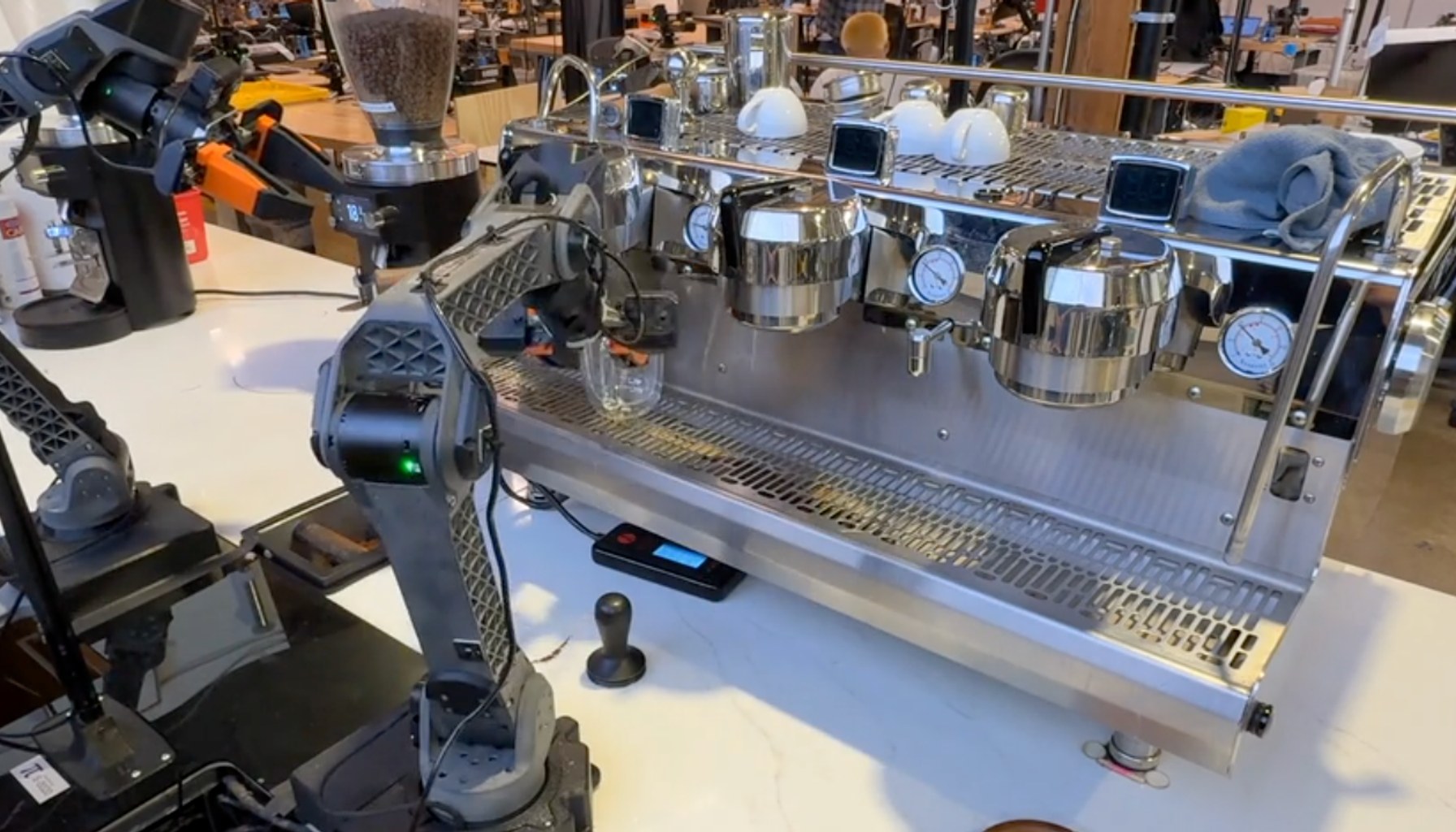
Physical Intelligence just unveiled a robot brain that learns tasks on its own. The π0.7 model is pitched as an early but meaningful step toward a general-purpose robot brain.
The headline claim—generalization beyond tasks the system was explicitly taught—lands hard in an industry fatigued by hype cycles. The TechCrunch report frames π0.7 as a foundational advance, not a finished product: a software stack designed to infer appropriate actions from scarce guidance and to fuse perception, planning, and control in a way that could someday adapt to varied chores without hand-tuned routines. In plain terms, it’s a brain aimed at learning how to learn for robots, rather than a single-task“skillset” module stitched onto a single robot.
What this means in practice is still fuzzy, and that fuzziness matters. The article describes π0.7 as an early, meaningful step—not a complete, field-ready robot. In other words, the breakthrough sits at the software level, with an interface intended to connect to existing hardware. But no hardware platform is disclosed in the piece, and there are no performance specs on sensing arrays, actuation bandwidth, or real-world latency. The lack of disclosed DOF (degrees of freedom) counts or payload figures means we can’t translate this brain into a tangible robot spec yet. The tech press can say “it learns,” but the engineering discipline is much harsher: learning to act in the wild requires reliable perception, robust safety guards, and predictable control, all while managing power and heat.
Technology readiness, as described, is firmly in the lab-demo or controlled-environment camp. The article positions π0.7 as a demonstrator—proof-of-concept software that would need hardware pairing, testing in realistic settings, and safety certifications before any deployment. Crucially, there’s no public data on power source, runtime, or charging requirements, and no benchmarks to compare against prior bodies of work. For a field that moves from “it moves in a controlled testbed” to “it works around people in real spaces,” that gap is the real hurdle.
Practitioner notes, distilled from the report and the field:
The π0.7 reveal is a credible, incremental milestone—clear evidence that the idea of a general-purpose robot brain is still alive and being refined. But as with most “brain-first” claims, the heavy lifting is still ahead: pairing with hardware, proving real-world safety, and delivering usable performance under real operating conditions. Until then, expect a steady drumbeat of demonstrations, guarded optimism, and a lot of questions about what, exactly, ships—and when.
- Physical Intelligence, a hot robotics startup, says its new robot brain can figure out tasks it was never taughttechcrunch.com / Source role not classified / Published APR 16, 2026 / Accessed APR 23, 2026