1X begins production of NEO humanoids in California
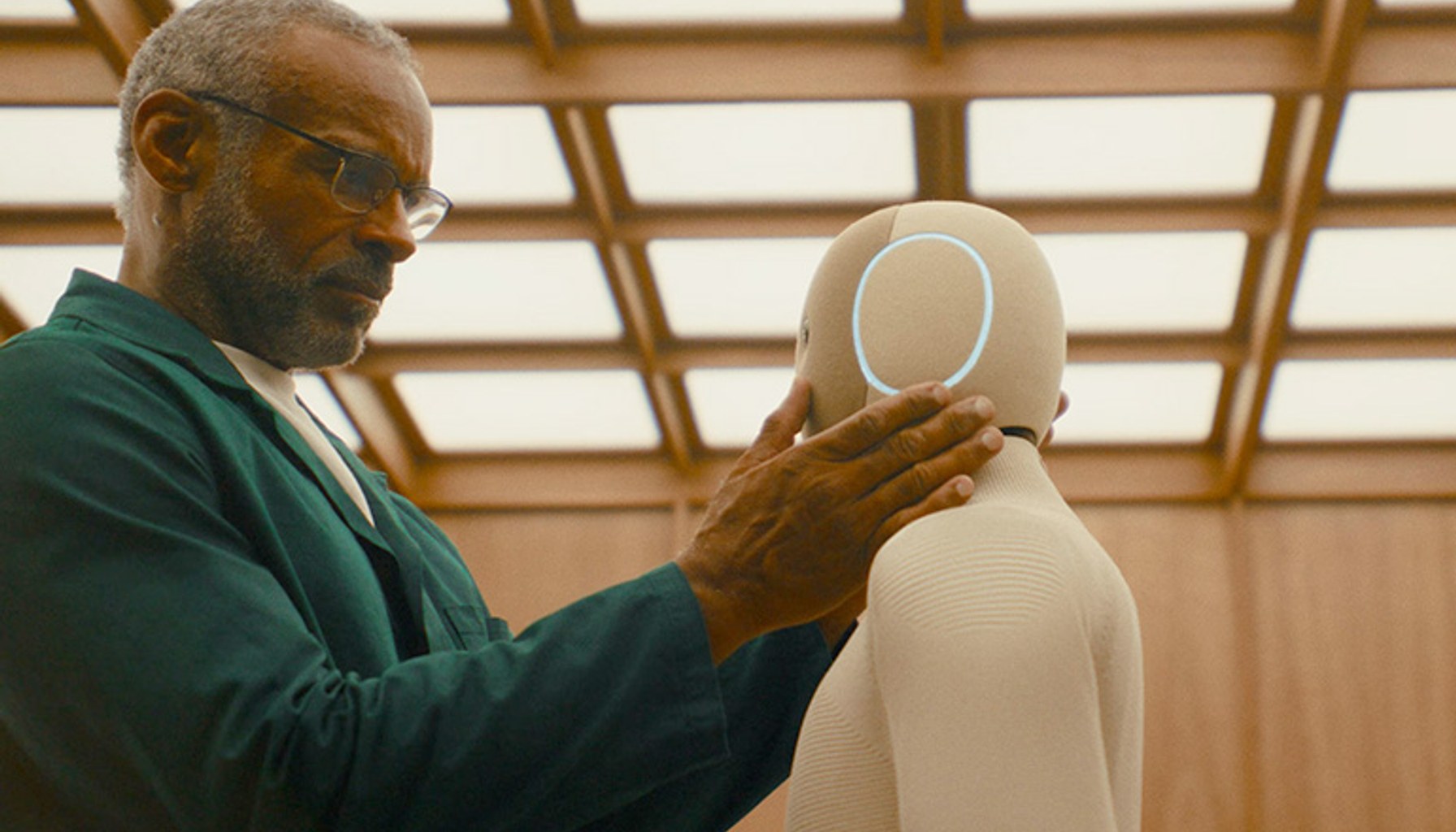
Production is underway at a 58,000-square-foot Hayward factory as 1X rolls out NEO humanoids.
The Hayward plant serves as the primary hub for NEO, 1X’s quiet-operating humanoid designed for domestic spaces, and it is built around a vertically integrated “factory OS” that manages every stage of production in real time.
On the floor, copper coils are spun on automated lines to create custom motors, while specialized laboratories subject the humanoid hardware to more than 20 million cycles of stress testing to ensure durability.
1X founder and CEO Bernt Børnich frames the opening as proof that “the future of humanoid robotics is being built right here in the U.S.”, arguing that more production means faster access to physical AI.
The production line is organized into several zones, including joint and limb assembly where tendon-driven actuators and 3D-lattice cushioned limbs are constructed, followed by final integration where the household robots stand for the first time and are fitted with their peripherals.
DOF counts and payload capacity for NEO were not disclosed in the release.
The rollout signals a shift toward field-ready capability, with production underway and 1X positioning NEO for home use.
A key risk remains: there is no public long-term reliability data for home environments, and maintenance needs of tendon-driven limbs or custom motors could complicate ownership.
Industry practitioners should watch for several practical constraints as this program scales: vertically integrated production can lower supply chain risk, but it raises capital intensity and process discipline; maintenance and lifecycle costs for tendon-driven actuators may be higher than expected; real-world energy use and quiet operation claims require verification in homes; and regulatory pathways for consumer humanoids will test safety and liability models.
- 1X begins production of NEO humanoids in California facilitytherobotreport.com / Source role not classified / Published MAY 06, 2026 / Accessed MAY 06, 2026