400-Pound Drums Sparked a Palletizing Revolution
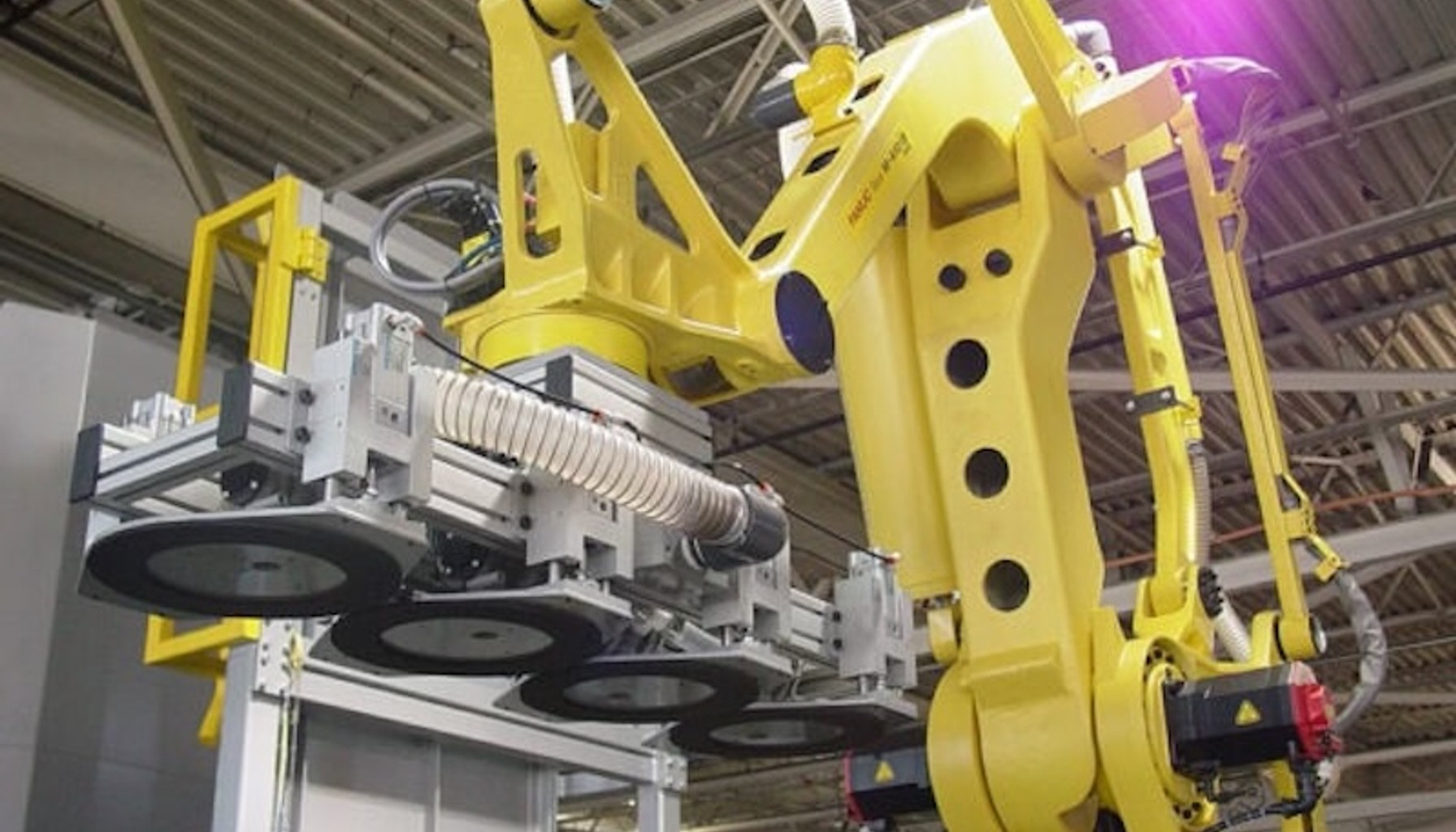
400-pound drums sparked a palletizing revolution.
In 1976, two engineers at Monsanto Corporation spotted a problem on the plant floor that was more than tedious—workers were lifting 55-gallon drums weighing 400 to 500 pounds and paying the price in injuries. The fix was elegantly simple in concept, and stubbornly hard in implementation: build a modular palletizer that takes the lifting out of it. That idea didn’t vanish into a lab notebook. It became a practical blueprint for what would become PASCO’s enduring ethos: turn hard manual tasks into repeatable, configurable automation.
Today, PASCO marks 50 years in industrial automation, a milestone framed by that first breakthrough in drum handling. The company’s anniversary serves as a retrospective on how a single floor-level pain point can seed an entire industry shift—from bespoke rigs to modular, scalable cells that can be retrofitted into aging lines without gutting a factory layout. Industry observers say the Monsanto story is not merely a corporate anecdote but a microcosm of manufacturing’s broader trajectory: identify a physical hazard or bottleneck, then design a tool that can be standardized, upgraded, and connected to a growing ecosystem of sensors and controllers.
Integration teams report that the early palletizers were a proving ground for what it takes to move from a one-off demonstration to reliable deployment. Floor space, power delivery, and control-system compatibility were the first big hurdles. The equipment had to squeeze into cramped lines, share utility loads with existing conveyors, and talk to older PLCs and motor drives without requiring a full plant rewire. In those days, “modular” meant reconfigurable, not just repeatable. The lesson, advanced by decades of deployments since, is that the ROI of automation improves when you can swap in new grippers, adapt to different SKUs, and stack cells in a way that grows with demand rather than forcing a plant to relocate.
Floor supervisors confirm that the core benefits—safety and consistency—drove the early and ongoing adoption. By taking heavy lifting off the line, injury rates fell, and operators could shift to higher-value tasks like packaging decisions and quality checks. The shift from manual handling to automated lifting didn't just save wear and tear; it lowered the variance in handling that used to ripple down the line, a subtle but meaningful driver of downstream quality and uptime.
ROI documentation reveals another, less glamorous truth: the path to payback for automation isn’t a straight line. The earliest palletizers demanded careful change management, custom tooling for different drum sizes or pallet patterns, and time for technicians to tune integration with downstream conveyors. Yet, the long arc is clear. Operational metrics show steady improvements in throughput, and maintenance profiles have shifted from reactive fixes to schedule-driven servicing guided by sensor data and predictive checks. The 50-year arc—from a single, heavy-lift problem to a globally deployed concept—captures a timeless truth in manufacturing: a well-placed automation tool can redefine a line, but it’s the combination of engineering rigor, practical integration, and ongoing operator training that turns a demo into deployment.
Today’s automation professionals will tell you the core constraints haven’t changed—space, power, and the need for trained personnel—but the scale and sophistication have. The palletizing idea birthed a modular discipline that underpins today’s more complex cell configurations, cobots, and end-of-line automation suites. What to watch next, practitioners say, is not merely speed but adaptability: how quickly can a cell switch SKUs, how can gripper tooling be swapped with minimal downtime, and how robust is the integration with upstream and downstream processes?
In the end, the Monsanto anecdote—fueling a modular palletizer—serves as a historical anchor for an industry that learned to think in modular, repeatable, and observable units. PASCO’s 50-year milestone isn’t just nostalgia; it’s a reminder that meaningful efficiency on the shop floor often starts with a simple, heavy problem and ends with a scalable, system-wide improvement that endures.
- PASCO Marks 50 Years in Industrial Automationroboticsandautomationnews.com / Source role not classified / Published APR 07, 2026 / Accessed APR 07, 2026