ABB Unveils PoWa Cobots for Higher Payloads
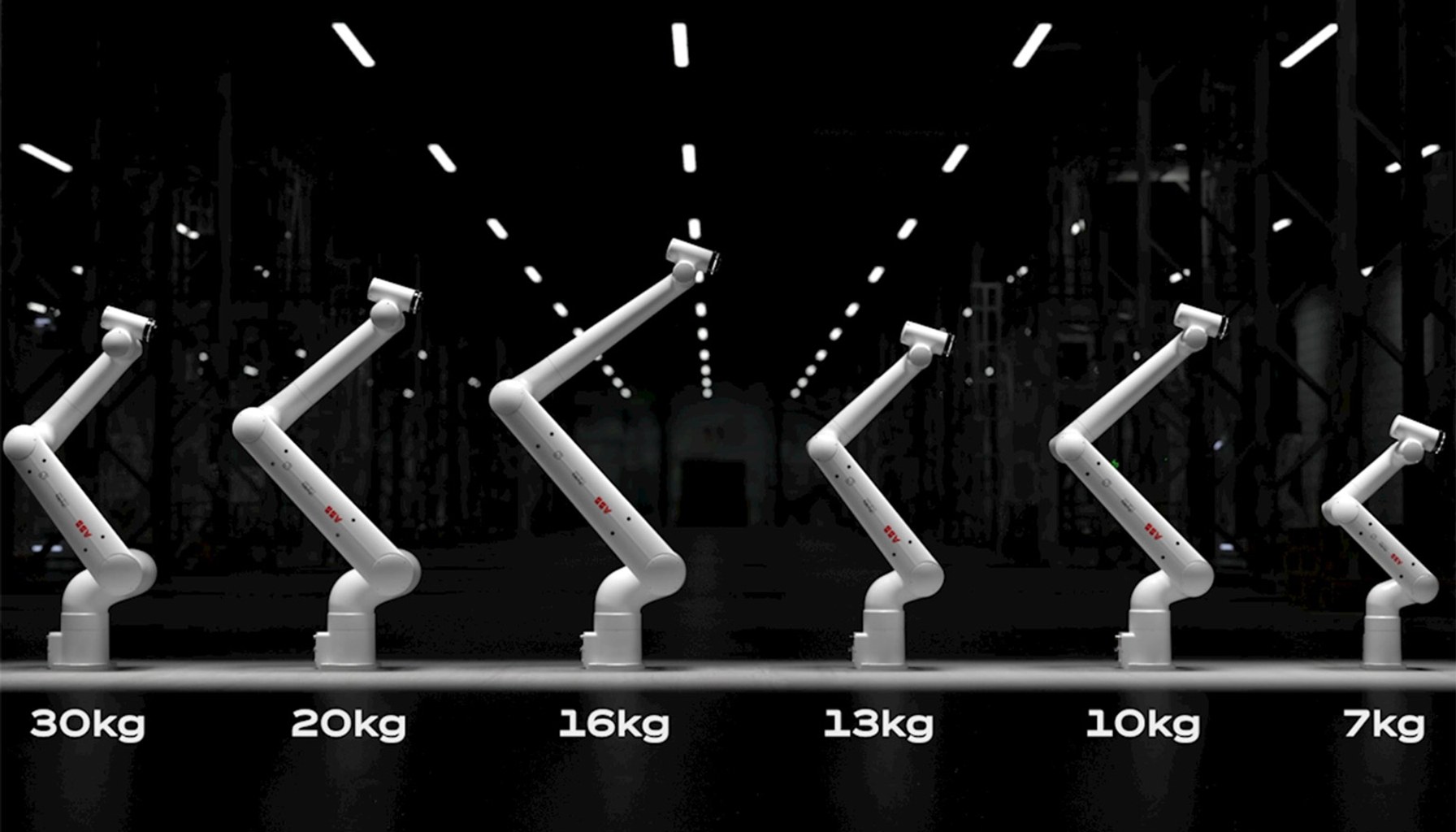
ABB just launched PoWa cobots that lift 7 to 30 kg and move faster than their predecessors.
The PoWa family spans six categories and is designed to fill a long standing gap in the automation landscape: speeds and payloads that used to require either lightweight cobots or full industrial robots, but not both. ABB says the new cobots marry industrial level performance with a compact, user friendly design, enabling faster cycle times without the rigidity of traditional robotics cells. Andrea Cassoni, Head of Collaborative Robots at ABB Robotics, framed the move as a response to customers both small and large who want heavier, faster, and easier automation without getting bogged down in complexity.
Production data shows that cobots are growing far faster than traditional industrial robots, and ABB’s timing aligns with a market forecast of about 20 percent annual growth through 2028. The PoWa launch lands at a moment when manufacturers are pressing to squeeze more throughput from existing lines, while preserving safety and ease of operation. The six‑product family is pitched for tasks that demand higher speed and payload than prior cobots could comfortably handle, yet without the scale and rigidity of a full robotic cell.
For plants weighing ROI against risk, the key question is not just the hardware but the fit with the line. Integration teams report that turning a cobot into steady production is as much about the surrounding ecosystem as about the arm itself. Floor space needs rethinking, safety zones may need reconfiguration, and operators plus maintenance staff require targeted training to realize the promised gains. The PoWa family’s compact footprint is meant to aid installation in space constrained cells, but the economics still hinge on how quickly the new units can be taught, debugged, and integrated with gripping tools, sensors, and downstream conveyors.
From an operations perspective, the promise is meaningful but nuanced. A faster, heavier cobot can materially cut cycle times on pick and place or machine tending lines, but that payoff only materializes if uptime is kept high and the integration stack is aligned. Vendors often understate the hidden costs of deployment, including initial safety validation, end effector certification, and the hours of programming and debugging needed to achieve stable, repeatable performance. In ABB’s framing, PoWa is intended to reduce those frictions by delivering higher speed and payload in a more user friendly package, yet the real-world outcomes will depend on how well manufacturing teams scale from pilot to production.
Looking ahead, the PoWa rollout will be watched for signs that heavy duty, high‑speed cobots can deliver on the old promise of automation without the accompanying chaos. Manufacturers will want to see concrete evidence of cycle time reductions, reduced work-in-process, and a clear path to scalable deployment across multiple lines. Operators and plant managers should plan for a staged approach: pilot the PoWa in a high impact workstation, quantify the gains in cycle time and throughput, then expand if the integration hurdles prove manageable and the ROI becomes evident.
ABB’s PoWa announcement signals a deliberate push to bring heavier, faster, and simpler automation into the mainstream. It is a reminder that the line between cobot and industrial robot is narrowing, but the real test remains in execution on the plant floor.
- ABB Robotics launches PoWa cobot family targeting industrial taskstherobotreport.com / Source role not classified / Published APR 25, 2026 / Accessed APR 25, 2026