Humanoid robots pilot warehouse in Germany
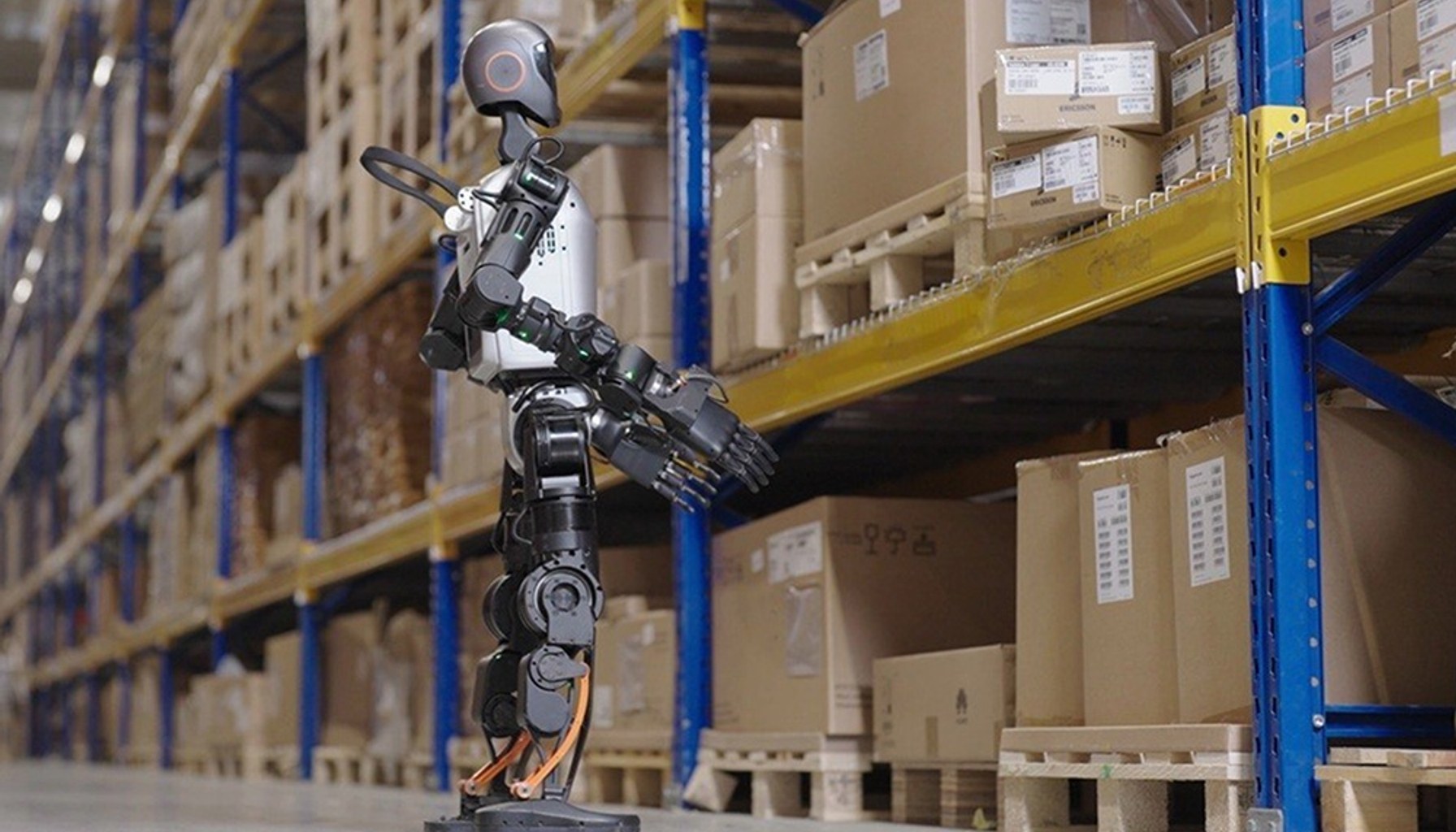
Humanoid robots run a test in a German warehouse.
Accenture, Vodafone Procure & Connect, and SAP are piloting humanoid robotics in a real warehouse, a move pitched as a proof of physical AI capable of boosting efficiency, safety and new ways to design work. The effort is framed as more than a demo: the trio wants to show how a humanoid that can interpret tasks, inspect goods and collaborate with existing systems might reshape both workforce models and the economics of logistics.
Production data shows the pilot is being run at Vodafone Procure & Connect’s Duisburg facility, where humanoid agents operate alongside established warehouse systems. The robots receive inspection tasks through SAP Extended Warehouse Management and, in practice, autonomously perform visual inspections throughout the facility. The setup is intentionally tightly integrated with the warehouse stack to demonstrate seamless data flow between a humanoid platform and the ERP and execution layer that already governs picking, packing and inventory control.
Integration teams report a few early signals that will matter beyond the press release. First, the use case hinges on physical AI that can interpret scenes, check for anomalies and verify conditions without constant human guidance. If the humanoids can reliably complete visual inspections, they could reduce repetitive strain and error rates in a job that often blends manual checking with high cognitive load. The stated goal is to lower worker injuries and overtime costs while potentially reducing dependency on temporary labor, outcomes that resonate with most warehouse operators facing labor market churn.
The project’s broader ambition centers on building a blueprint for a humanoid workforce solution business, as Vodafone Procure & Connect frames it. Accenture positions itself as a reinvention partner that can translate digital twins and physical AI into actionable changes on the floor. SAP’s role is the connective tissue, providing the data backbone that ties robot perception to task management and inventory control. In practice, this means a more fluid collaboration between robot and human teams, with the robot shouldering repetitive inspection tasks while human staff focus on exception handling and more complex decision making.
Yet the pilot also underscores the caveats every theater of automation grapples with. For one, the claimed benefits, which include fewer injuries, lower overtime and less reliance on temporary labor, will depend on sustained performance, scale and the ability to replicate the setup in varied facilities. The Duisburg trial is a controlled environment, and practical deployment across multiple sites will demand careful attention to floor space, power, and network readiness. In this sense, the real value will be in the lessons the partners draw about integration time, data latency and compatibility with existing workflows.
From a practitioner standpoint, there are four angles to watch as this moves from pilot to production considerations.
1. Task governance: the robot is tied to SAP EWM for instruction and feedback, so any misalignment between the warehouse management logic and the robot’s perception could stall progress.
2. Human-robot collaboration: the human workforce must be ready to supervise, interpret robot findings and intervene when the robot’s view is ambiguous or incomplete.
3. Training and change management: despite the appeal of autonomous inspection, staff will require training on how to work with the new tool and how to validate its outputs.
4. Cost and scaling: even if early metrics look positive, the ROI will hinge on durable savings and the ability to roll a similar stack to other sites without bespoke integrations each time.
Hannover Messe 2026 will be the next stage for its proponents to showcase results and address questions about reliability, throughput gains and how much of the workflow truly becomes automatic. If the Duisburg proof holds, this could be one of the clearer examples of physical AI moving from demos to deployments in warehouse operations.
- Accenture, Vodafone, and SAP to pilot humanoid robots in the warehousetherobotreport.com / Source role not classified / Published APR 24, 2026 / Accessed APR 25, 2026