AI Palletizing Goes Real in Complex Warehouses
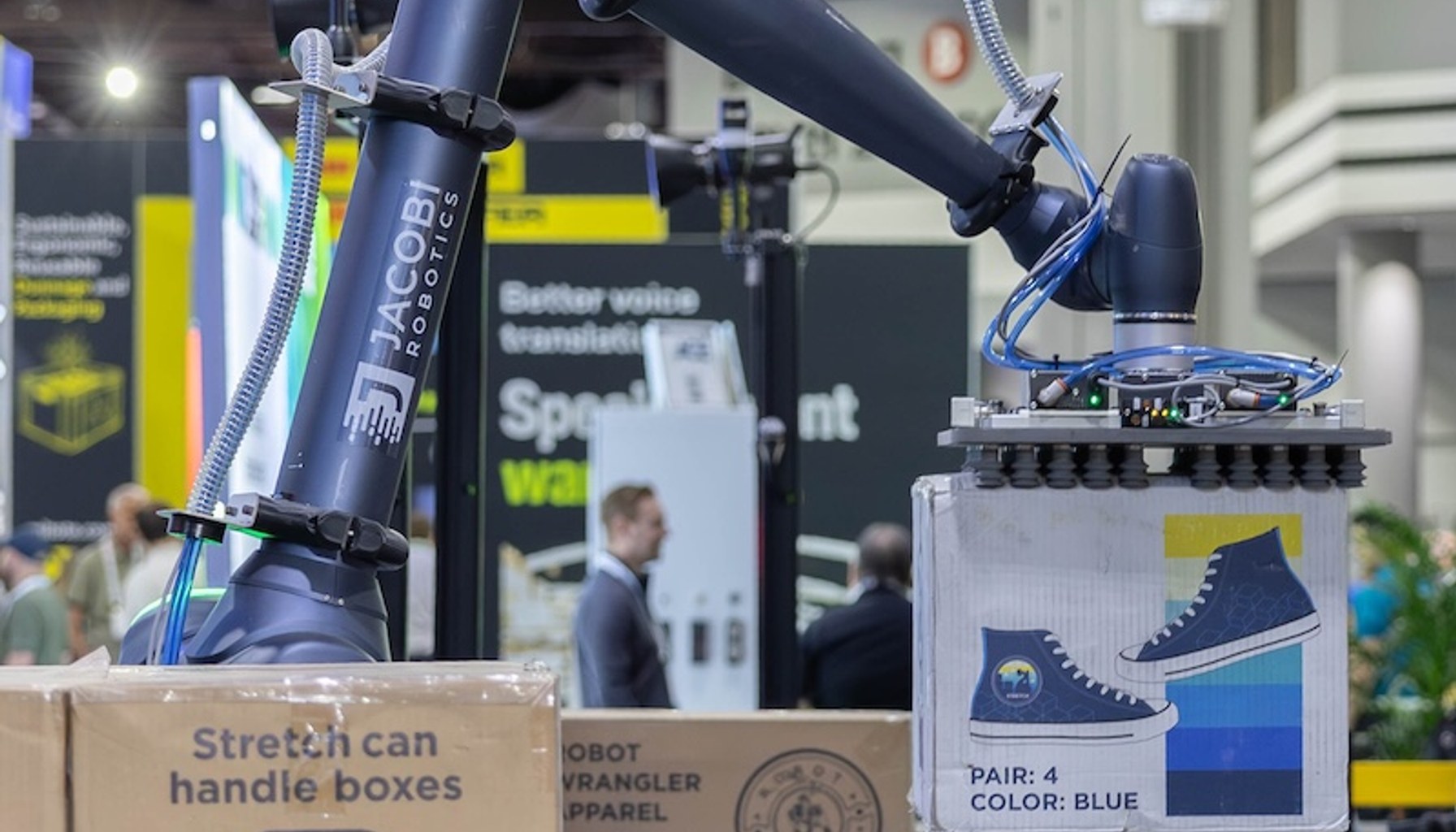
AI palletizing just crossed into real payback. Peak Technologies and Jacobi Robotics announced a collaboration to bring the Jacobi OmniPalletizer into complex warehouses and distribution centers, promising a commercial-grade path from pilot to production in high-mix environments. The core idea: a physical AI platform that can handle mixed-case palletizing with minimal upstream buffering, sorting, and sequencing on the line.
In plain terms, this is not a demo chugging along in a controlled lab. The OmniPalletizer is designed to integrate with existing conveyors and packing stations while adapting to variable case sizes, weights, and order profiles that typify modern e-commerce fulfillment and omnichannel logistics. Production data shows that many mixed-case lines grind to a halt when throughput swings or SKUs don’t fit a rigid lane plan; Jacobi’s approach aims to preserve throughput by learning the best packing sequences in real time, rather than forcing a single, static pattern. Integration teams report that the system’s physical AI stack is paired with software that can interpret order streams, anticipate jams, and re-sequence on the fly, reducing the need for human intervention at choke points.
Industry observers note that the real story here is not the flashy demo but the path to deployment. Vendors have long pitched “seamless integration,” only to reveal after weeks that the cell needs custom conveyors, control-system hooks, or bespoke safety interlocks. The Peak-Jacobi arrangement emphasizes a more composable approach: pre-engineered interfaces, clearer data exchange with WMS and ERP, and a modular cell that can slot into existing lines without wholesale reconfiguration of the entire dock area. In other words, the deployment intent is serious about becoming part of steady-state operations rather than a temporary add-on.
From a practitioner’s point of view, several constraints and tradeoffs matter. First, the integration footprint on the shop floor remains a critical gatekeeper. Plant managers will want to know how much floor space the OmniPalletizer requires, how it channels products to downstream packing stations, and what safety interlocks accompany automated handling. Second, the training burden cannot be ignored. Operators and technicians must learn teach pendant workflows, AI-driven fault diagnostics, and model updates that adapt to seasonal SKU mixes. Third, even with AI-driven pacing, there will still be human tasks—in particular exception handling, manual handoffs for oversized items, and maintenance when sensors drift or calibration is needed. Fourth, hidden costs tend to surface after go-live: software subscriptions for continual model refinement, ongoing data integration maintenance, cybersecurity hardening, and the risk of vendor lock-in if the AI stack evolves.
These considerations matter because payback hinges on more than higher throughput. ROI, according to industry practice, depends on reducing manual handling, lowering rework, and shrinking downtime due to bottlenecks around case-picking irregularities. In the Peak-Jacobi narrative, integration teams are tracking not just cycle time improvements but the stability of mixed-case flows over multi-shift operations, the ease of reteaching the system when SKUs change, and the reliability of the cell under peak-season loads. Floor supervisors confirm that the system’s rhythm scales with demand, but caution that the value hinges on a clear rollout plan, cross-functional alignment with packaging lines, and a disciplined training program.
Looking ahead, observers expect more pilot-to-plant transitions as e-commerce volumes rise and fulfillment windows tighten. The combination of AI-assisted decisioning with a physical palletizing stack could tilt the economics toward shorter payback periods if throughput gains exceed the cost of integration and ongoing software upkeep. If the early deployments hold, the Peak-Jacobi model could push mixed-case palletizing from a promising capability into a standard line item in a modern DC.
- Peak Technologies partners with Jacobi Robotics to deliver next-generation mixed-case palletizing automationroboticsandautomationnews.com / Source role not classified / Published APR 16, 2026 / Accessed APR 17, 2026