AI Palletizing Upends Mixed-Case Warehouses
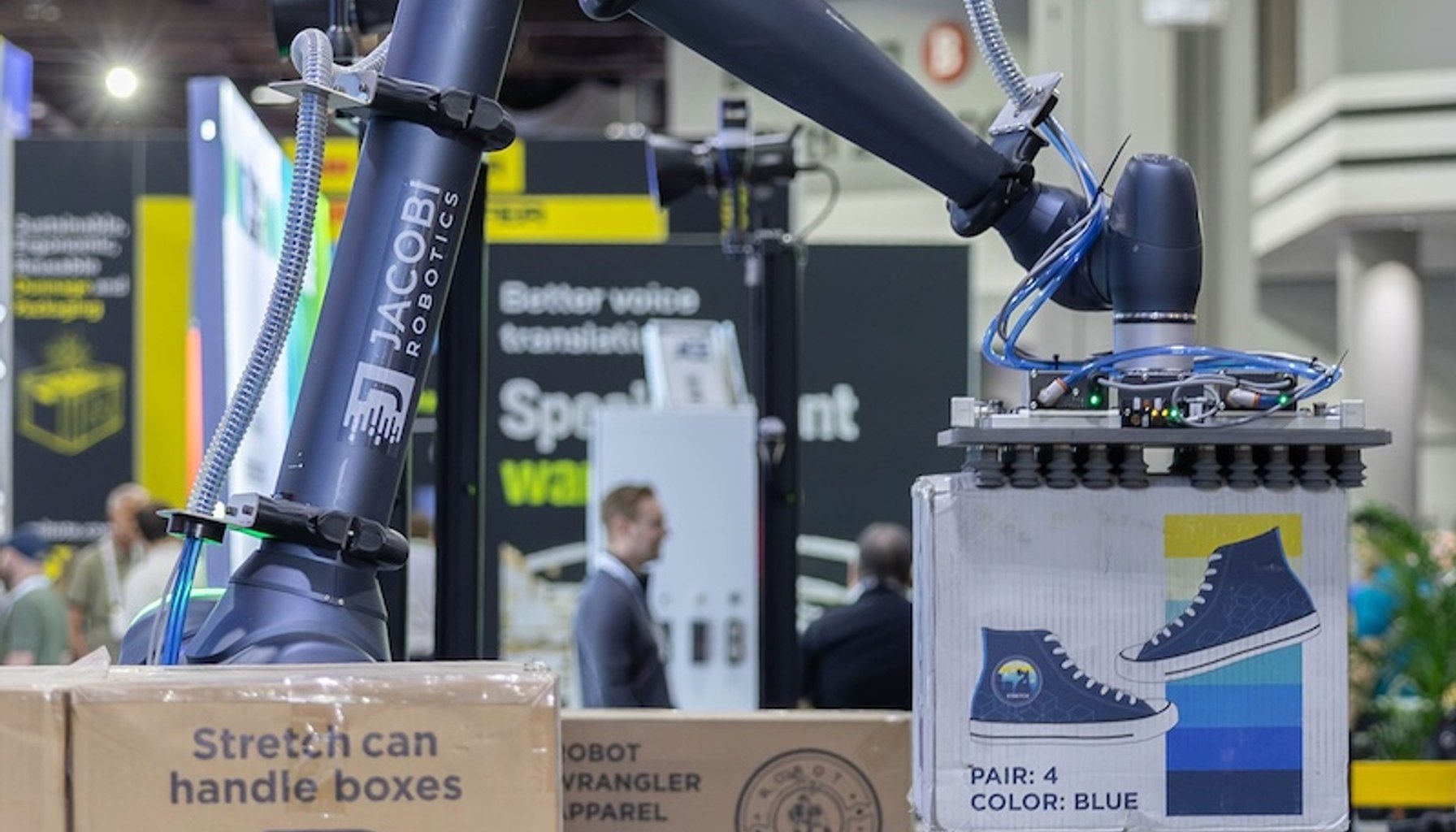
AI-powered palletizing just slashed downtime in mixed-case warehouses. Peak Technologies and Jacobi Robotics have teamed up to bring the Jacobi OmniPalletizer to complex distribution centers, promising a blend of AI smarts and a physical palletizing platform that can handle varied case configurations without choking on SKU diversity.
Production data shows the collaboration is aimed at reducing the upstream buffering, sorting, and sequencing burden that often bottlenecks semi-automatic lines. The OmniPalletizer is described as a “physical AI platform,” designed to weave into existing material-handling cells and alleviate the need for large buffer zones or manual re-sequencing. In plain terms: fewer conveyors buffered to the ceiling, more cases moving on the line, and a higher likelihood that “one box, one pallet” actions stay in spec as product mixes shift mid-shift.
From the standpoint of operations leadership, the partnership signals a push into a space where automation is no longer a single-task accessory but a flexible, AI-enabled core. Jacobi’s platform is meant to interpret real-time data from upstream lines, decide on case routing, and adjust on the fly for changes in case size, weight, or packaging configuration. The idea is to tuck intelligent decision-making into the palletizing cell so it can absorb SKU variability that historically forced manual intervention or costly buffering.
Two weeks of reviewer notes from integration teams suggest a practical truth: the promise hinges on solid integration, not pretty demos. Integration teams report that even a sophisticated physical AI palletizer requires careful on-site planning—floor space earmarked for new machinery, reliable power and network infrastructure, and a staged training plan for operators and maintenance staff. The point isn’t a magic switch; it’s a staged upgrade that keeps the rest of the line flowing while the new cell learns the site’s specific SKUs and packing patterns. Floor supervisors confirm that the work is measurable but incremental—this isn’t “set it and forget it,” but a deployment with clear run-in and ramp phases.
The reality check for plant managers and CFOs is sharp: automation vendors rarely publish the full payback narrative up front. ROI documentation reveals that while the technology can reduce manual handling, the total cost of ownership includes upfront integration, software licenses, and ongoing maintenance. Hidden costs—change management, operator retraining, and periodic software updates—have a material effect on the expected payback window. In other words, it’s not merely the hardware that earns a fast return; it’s the complete package of deployment, support, and ramp time.
Human tasks still remain part of the story. Operational metrics show that operators will continue to supervise SKU changes, handle exceptions, and perform final quality checks in mixed-case environments. The system can automate standard routes and common packs, but corner cases—irregular box dimensions, damaged cases, or unusual pallet patterns—will push work back to human hands or require adaptive workflows. That isn’t a flaw; it’s the reality of mixed-case automation: you automate the majority, not the magical minority.
For executives evaluating the deal, the takeaways are clear. The technology is credible, and the integration approach appears pragmatic, but the paper trail on exact cycle-time improvements, throughput gains, and the precise payback period has not been published publicly. The CFO’s diligence angle is to map the automation’s impact to current labor costs, line throughput, and changeover frequency, then stress-test those figures against a staged rollout.
In short, the Peak–Jacobi collaboration embodies a meaningful advance in mixed-case automation—one that moves beyond the demo into deployment readiness, with a real-world path that includes integration requirements, human-in-the-loop realities, and the hidden costs that determine true ROI.
- Peak Technologies partners with Jacobi Robotics to deliver next-generation mixed-case palletizing automationroboticsandautomationnews.com / Source role not classified / Published APR 16, 2026 / Accessed APR 17, 2026