The Poetry Camera: Charm Over Function
By Riley Hart
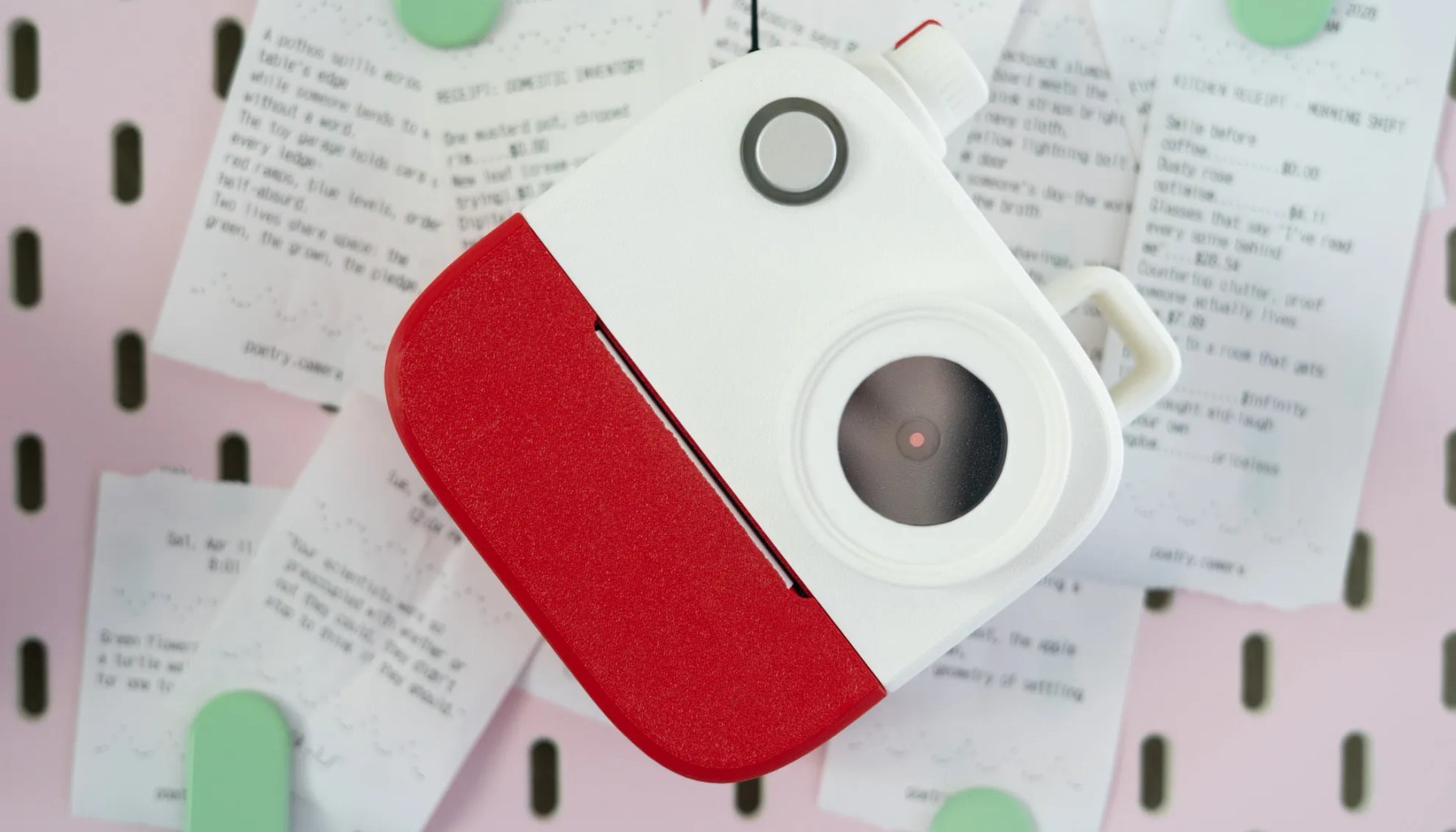
Image / theverge.com
A camera that prints poems instead of photos is adorable—and oddly useless.
In The Verge’s hands-on, the Poetry Camera arrives as a white-and-cherry-red novelty with a lo-fi vibe, a color-matched strap giving it the look of a toy you’d find in a coffee shop display. You snap a picture, and instead of producing a traditional print, it spits out a strip of thermal receipt paper bearing an AI-generated poem inspired by the scene. The effect is undeniably charming: a tangible, tactile artifact in a world that’s increasingly screen-dominated. Yet the author nails the tension fast: it’s a camera that writes poetry, then all but erases the moment with a tiny sheet of paper whose prose often doesn’t feel deeply connected to what you photographed.
The piece captures a trend you see in consumer AI devices—strong first impressions, weaker follow-through. The Poetry Camera flaunts a confident, aesthetically deliberate package: glossy white, pop-of-red accents, and a woven strap that telegraphs “design-forward, but approachable.” It’s the sort of gadget you want to pick up at a store just to try the novelty. And the output? That’s where the test becomes revealing. The poetry is technically impressive in its prompt-to-text pipeline, but the end results land in the “charming, not transformative” category. After printing dozens of verses, the reviewer describes feeling more amused than moved, a reminder that a clever mechanism can’t automatically convert a fleeting moment into meaningful verse.
There’s a practical-leaning risk woven into the whimsy. The Poetry Camera is an artifact rather than a tool, and that matters for real-world use. The device surfaces a familiar consumer truth: novelty can spark curiosity, yet sustained interest hinges on utility. If you’re hoping for a device to replace photo albums or to consistently elicit moving poetry, you’ll likely be disappointed. The AI output—the “bad AI poetry” as the headline frames it—shows promise in concept but falters in resonance. That discrepancy isn’t just a matter of taste; it’s a design constraint: the more a gadget leans into AI-generated art, the more it depends on the model’s ability to deliver entertaining, emotionally coherent writing across a range of scenes. When poetry doesn’t land, the entire purchase feels less about capturing memory and more about a quirky moment you’ll eventually outgrow.
From a product-development perspective, several practitioner realities spill out. First, consumables matter. Printing poetry on thermal paper means ongoing costs and waste, even if there’s no monthly subscription to manage. That dynamic is a real limiter for households weighing long-term value against spontaneous gift appeal. Second, the user experience hinges on the alignment between form and function. A delightful shell won’t compensate for a poetry engine that frequently misses the intent of the image, because the surprise fades quickly if the output feels incongruent with what you captured. Third, this device signals how AI-era hardware can become conversation starters rather than workhorses. The design invites curiosity, but the publishing world’s appetite for AI poetry isn’t universal; most buyers will tolerate the novelty only so long before demanding a clearer payoff. Fourth, price transparency and setup complexity will shape adoption. The Verge review doesn’t publish the device’s price or the initial setup burden, so clean judgments on value remain out of reach for prospective buyers—an uncertainty that ultimately matters when a gadget sits at the intersection of art and utility.
Bottom line: for most buyers, the Poetry Camera is a playful oddity rather than a lasting value proposition. If you crave a quirky gift, a desk-side talking point, or a coffee-table distraction that prompts conversation, it’s worth a look. If you want dependable photos, thoughtfully authored poetry, or a device you’ll reach for daily, you’ll likely skip—or at best wait for a substantive upgrade that tightens the link between image, verse, and print.
Sources
Newsletter
The Robotics Briefing
A daily front-page digest delivered around noon Central Time, with the strongest headlines linked straight into the full stories.
No spam. Unsubscribe anytime. Read our privacy policy for details.