AI-Powered Palletizing Hits Warehouses
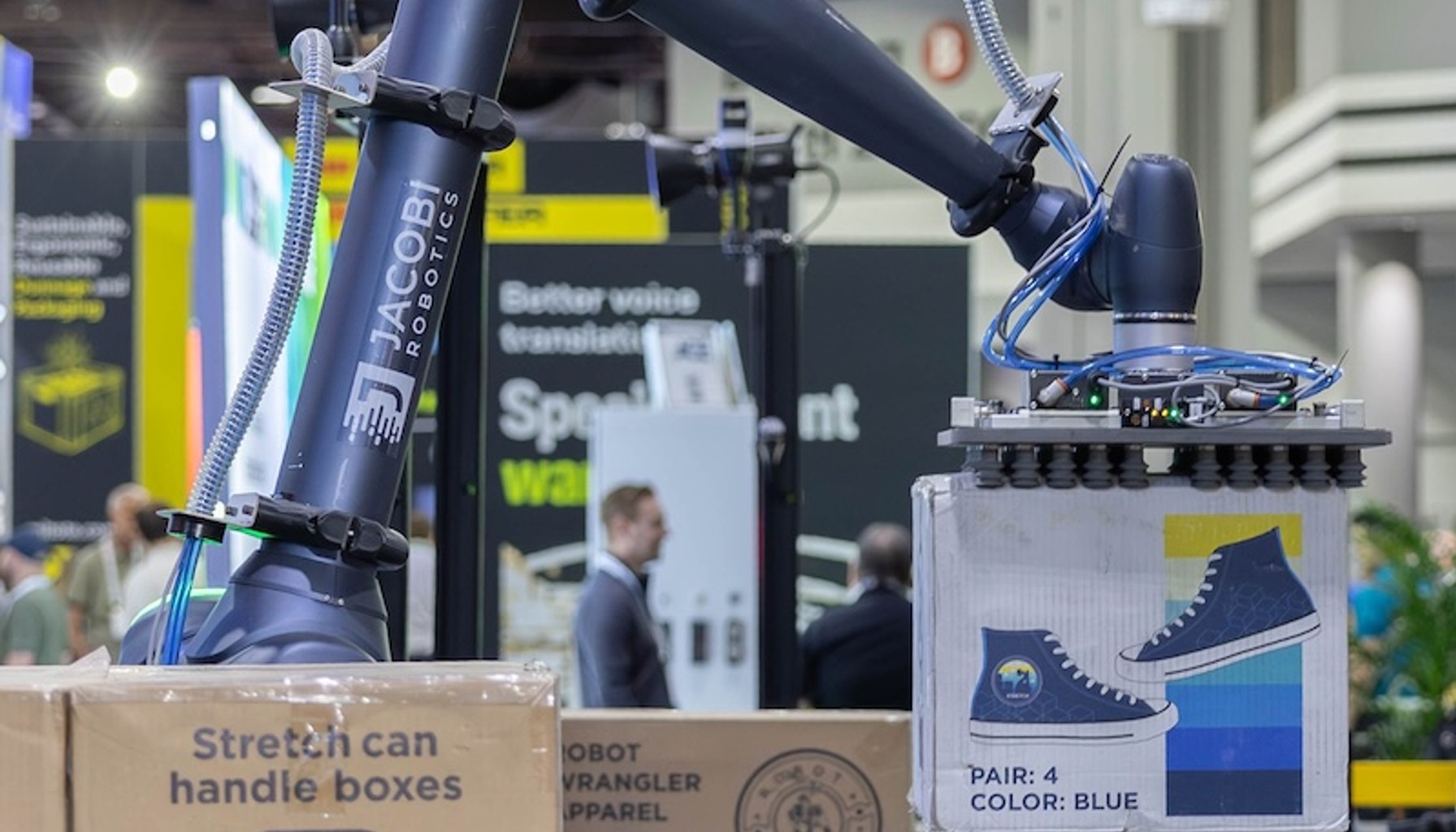
AI-powered palletizing finally moves from demo to deployment. Peak Technologies and Jacobi Robotics have teamed up to deliver next-generation mixed-case palletizing automation, pairing Peak’s smart supply-chain capabilities with Jacobi’s OmniPalletizer—a physical AI platform designed to handle the messier realities of real-world warehouses.
The partnership centers on the ability to automate mixed-case palletizing in complex distribution centers without the usual chaos of buffering, sorting, and sequencing bottlenecks. In practice, the OmniPalletizer is meant to ingest a stream of varied cases, apply AI-driven planning, and deliver accurate, stable pallet builds even as case sizes and weights shift from unit to unit. The promise isn’t just speed—it’s a balance of throughput and accuracy that many DCs have long struggled to reconcile.
From an industry perspective, the move feels timely. E-commerce growth has intensified the need for flexible automation that can absorb irregular product mixes without forcing draconian changes to sortation and upstream buffering. Shortages of skilled labor compound the appeal: robots that can adapt to changing SKUs and packing schemes without constant reprogramming could reduce rework and dwell time in picking zones. Still, the reality remains that “AI” in palletizing isn’t magic; it’s a software stack plus hardware that must fit into existing workflows, conveyors, and rack layouts.
For practitioners and plant leaders, a few realities emerge as you size up this kind of deployment:
Peak Technologies and Jacobi will likely emphasize the ROI dimension as deployments unfold in the field. If real-world sites prove the concept at scale—without triggering nights-and-weekends maintenance marathons—the move could tilt the economics of mixed-case palletizing toward the same “it just works” category that automation buyers crave. Until then, executives should scrutinize the integration plan, the required training hours, and the total floor-space footprint as aggressively as they study cycle-time goals.
The first deployments will test a core question for the automation community: can AI-powered palletizing deliver reliable, scalable throughput in the messy, unpredictable world of mixed-case loading, or will it require a more conservative, staged rollout? The answer, increasingly, will hinge less on the hardware and more on the orchestration of people, data, and process.
- Peak Technologies partners with Jacobi Robotics to deliver next-generation mixed-case palletizing automationroboticsandautomationnews.com / Source role not classified / Published APR 16, 2026 / Accessed APR 17, 2026