AI robots move from inspection to action on auto line
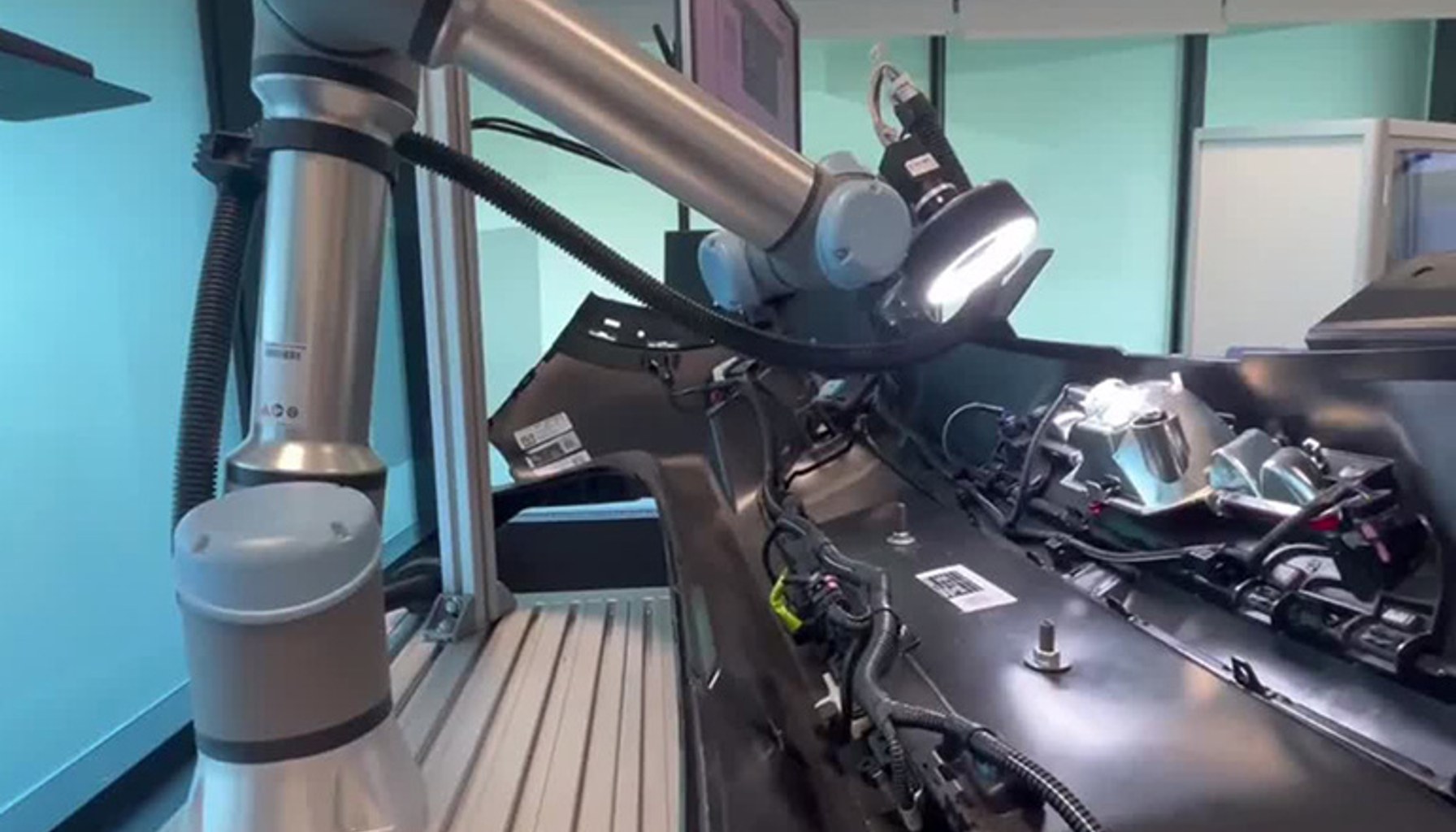
AI robots pull defective parts off the line automatically. The rollout by GFT Technologies SE marks a shift from simply spotting problems to removing them on the factory floor, a move the company frames as the missing link in smart manufacturing for automakers.
GFT says its new AI driven robotic arms combine vision, sensors and software to act in real time, not just flag issues for a human to chase down later. As Brandon Speweik, head of manufacturing at GFT, put it, auto manufacturers have long asked, "How do we get AI off the screen and onto the floor?" The answer, the company argues, is a tightly integrated loop that breathes AI into the physical workflow, with detection becoming immediate action, and the robot grabbing and removing defective parts before they proceed down the line.
The implications go beyond the novelty of AI on the shop floor. Production data shows that recalls are costly, with remediation prices often cited at upward of $500 per unit. If a bad part isn’t caught early, the cost compounds through rework, warranty claims, and downtime. GFT’s pitch is that moving from detection to removal reduces defect propagation and rework, potentially trimming cycle times and bottlenecks in high mix, high speed automotive cells. The value proposition is therefore not only quality lift but a clear path to tangible cost containment in a process that historically relied on human review and manual intervention.
GFT presents itself as more than a vendor, a partner with decades of factory-floor experience. The Stuttgart-based company emphasizes its 35 years in the business, a workforce of more than 12,000 experts, and a client roster supported by an ecosystem in more than 20 countries. Integration teams report that the tricky part is marrying perception with action: aligning control systems, sensor suites, and end effectors so a frame, a fastener, or a lid can be removed cleanly without triggering downstream jams. The company frames deployment as a natural extension of its digital transformation work for manufacturing and robotics, not a one-off demonstration.
From a practitioner’s lens, several realities emerge. First, the jump from "see it" to "take it out" demands careful attention to floor space, power provisioning, and operator training hours. A robot that can identify a defect must also have a reliable grasping capability and a precise plan for removing the part without disturbing adjacent stations. Second, even robust perception can produce false positives that stall lines or waste good parts if the system isn’t tuned for the variability of real production, including lighting changes, part tolerances, and orientation. Third, there are hidden costs that vendors often understate: ongoing maintenance, software refresh cycles, and cybersecurity for connected devices. Finally, integration is not a one-line fix; it’s a multi-line commitment that benefits from pilots with clearly defined metrics for cycle time impact, throughput, and rework reductions before a full-scale rollout.
If the industry’s appetite for automation is genuine, this move could meaningfully shorten the path to ROI, provided automakers map out the constraints in advance and stage deployments where the line can be controlled and monitored with predictable results. In the end, the real test will be whether AI on the floor can keep pace with the line speed, the part variety, and the discipline needed to avoid creating new bottlenecks while solving old problems.
- GFT Technologies AI-powered robots move from inspection to action for automakerstherobotreport.com / Source role not classified / Published APR 29, 2026 / Accessed APR 29, 2026