AI Trust Claims Need Operating Proof
Single-source brief: BearJam says AI sellers stress output, while trust needs clear human checks and limits.
What Changed
James Hilditch of BearJam says AI automation now faces a trust problem.
He says many firms sell speed, scale, and output. Fewer explain human oversight or known limits.
This is not a physical robotics deployment update. It is a view on AI workflow tools.
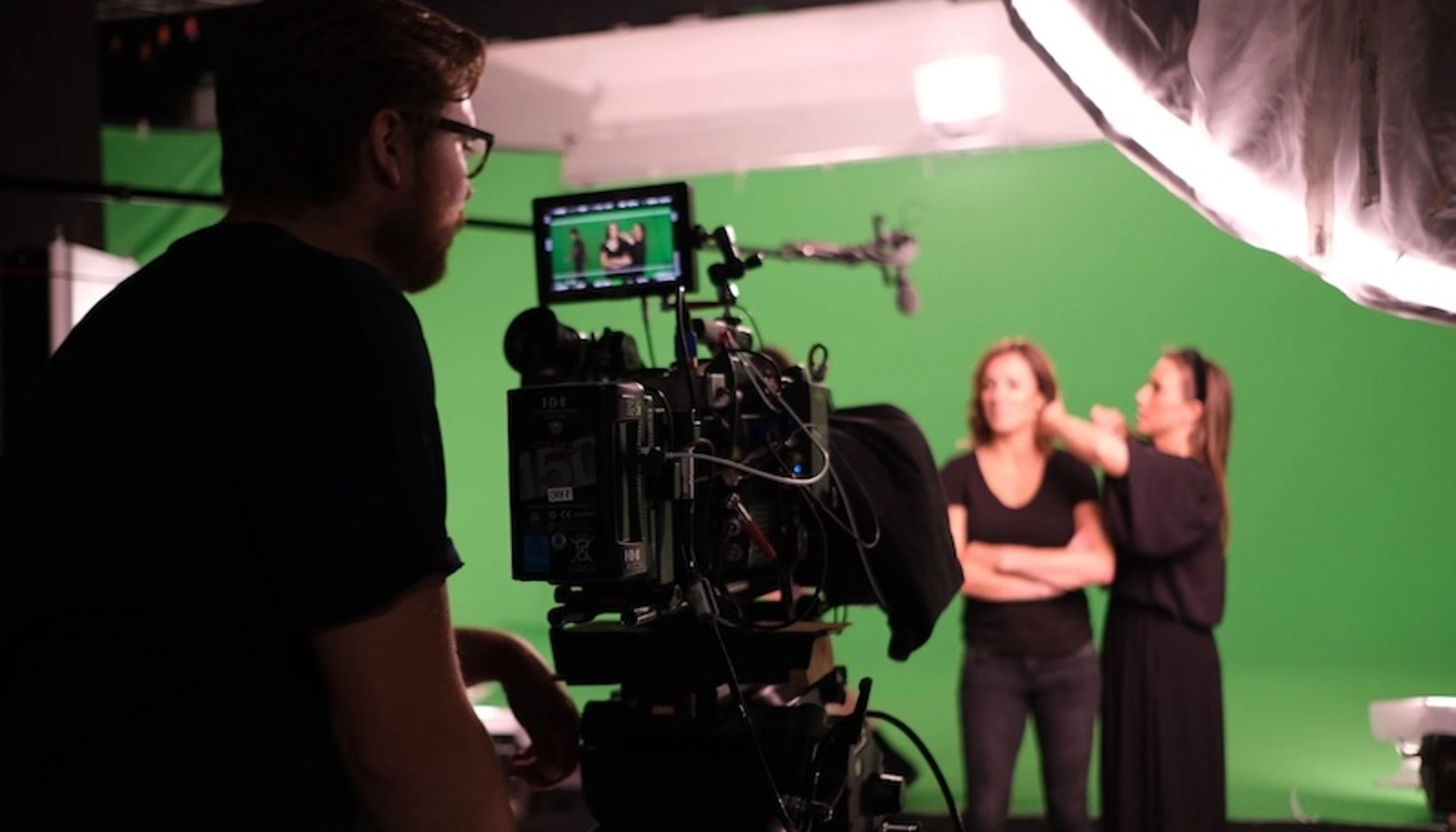
BearJam uses AI for storyboards, scripts, voiceovers, and versioning. Hilditch says people still direct, edit, judge, and revise the work.
What Plant Leaders Can Take From It
Hilditch offers an 80/20 rule of thumb. AI can speed much of a process. People still heavily shape final quality.
That matters when teams estimate ROI. Faster early work does not mean finished work arrives faster.
Count review time, rework, and quality checks. Assign a person who owns the final result.
BearJam says AI can struggle with cultural detail, brand details, and precise human performance. Human review may matter most in those cases.
Deployment Status and Unknowns
The deployment stage is unknown. BearJam’s comments are not an independent deployment study.
No verified payback period, throughput gain, labor effect, or integration result was supplied.
Hilditch says firms should state which tasks AI performs. They should also show where human review begins.
He says customers and workers need clarity on ownership, consent, likeness, origin, and data handling.
- AI Automation’s PR Problem: Businesses Keep Selling What it Can Do, Not Why it Should Be Trustedroboticsandautomationnews.com / Independent source / Published AUG 28, 2026 / Accessed AUG 28, 2026