Apple dodges second import ban on redesigned Apple Watches
By Riley Hart
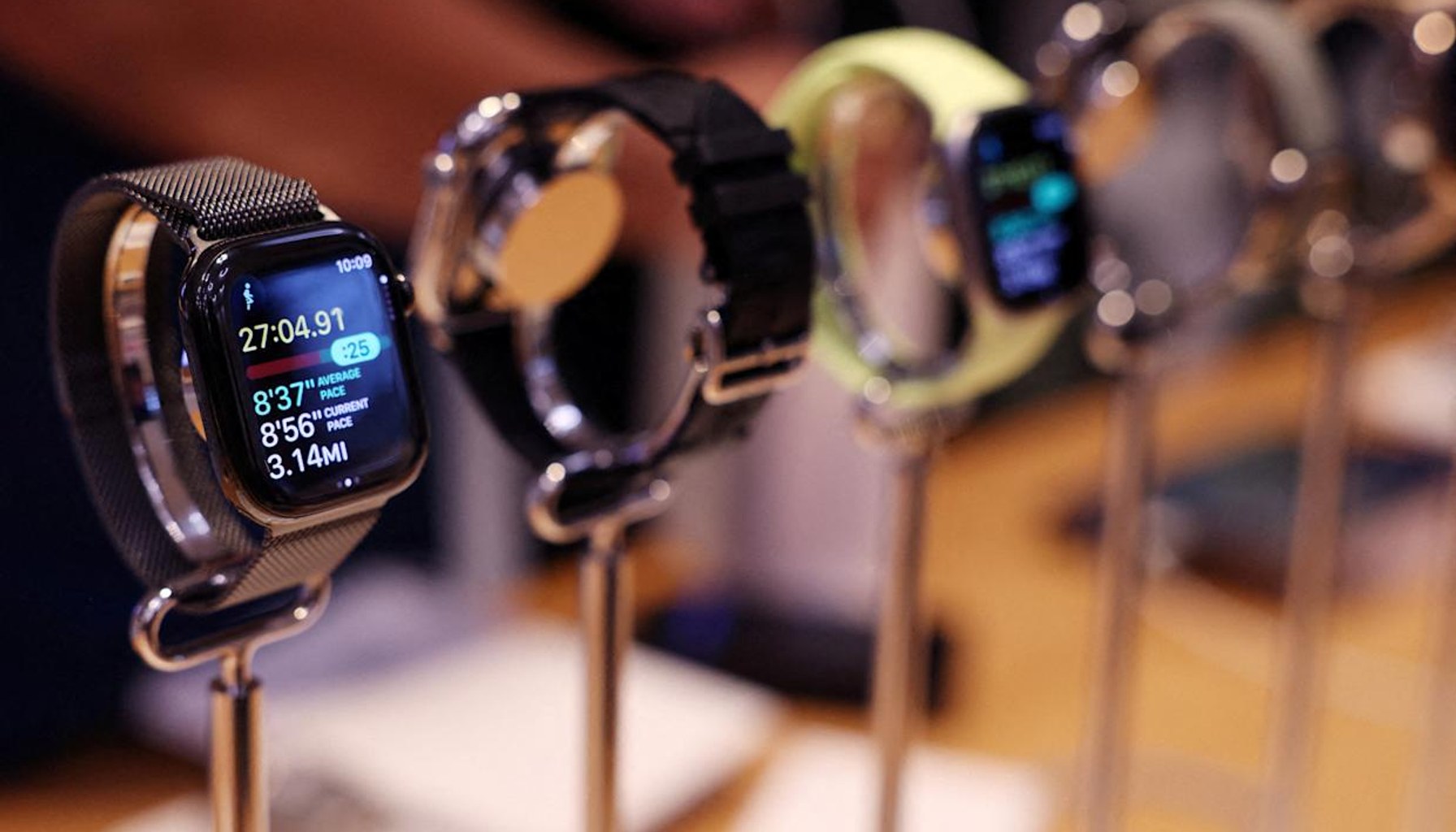
Image / engadget.com
Apple dodges a second import ban on redesigned Apple Watches. The US International Trade Commission ruled to terminate Masimo’s bid to bar imports, siding with a March preliminary ruling that Apple’s updated blood-oxygen monitoring tech doesn’t infringe Masimo patents.
The legal saga dates back to 2021, when Masimo accused Apple of infringing its sensor patents and sought an import ban on early Apple Watch models. A prior ITC decision found patent violations and led to an import ban, which in turn prompted Apple to redesign the blood-oxygen reading feature for some models. Masimo pressed for another ban after the redesign, arguing that the updated hardware still relied on Masimo’s protected concepts. The latest ITC action cuts that path off, at least for now.
From a practical, consumer-facing perspective, the ruling matters because it preserves the ongoing availability of Apple Watch models equipped with the redesigned oxygen-sensing tech in the United States. It also reinforces a broader industry pattern: when patent disputes threaten a product’s market, companies will often pursue redesigns or feature tweaks to avoid injunctions, then navigate the patent landscape through appeals, licensing, or settlements.
For Apple, the decision reduces near-term regulatory risk and keeps a steady supply chain, at least in the U.S., for wearables that rely on the redesigned sensor. This isn’t merely a legal win; it preserves the company’s ability to price and market its current Watch lineup without interruption while the broader litigation remains unresolved. For Masimo, the result is a setback that likely slows the path to an immediate import ban revival, but it doesn’t extinguish the dispute. The company retains the option to pursue an appeal, keeping pressure on Apple and maintaining leverage in ongoing negotiations or settlements outside the courtroom.
Industry watchers should note a few tangible takeaways. First, ITC-based import bans are a powerful, sometimes decisive tool for patent holders in consumer tech, but they’re not final roadblocks: if a defendant can credibly redesign and demonstrate non-infringement, the path to enforcement can stall. Second, the cost calculus for redesigns is real: investment in reengineering a sensor, validating the new approach, and ensuring compatibility with existing software and ecosystems can run into tens of millions of dollars and months of development time. For Apple, that spend is offset by preserving product availability and user sentiment, but it’s not a free pass—every redesign invites new scrutiny and potential counterclaims. Third, the Masimo-Apple drama underscores a broader industry tension: health-tech patents collide with mass-market devices, shaping how quickly new features reach consumers and how aggressively patent holders defend core ideas.
If you’re weighing this for a purchase or a watch-ahead strategy, the takeaway is straightforward: for now, Apple Watches with the redesigned blood-oxygen feature stay on U.S. shelves, and Masimo’s challenge remains alive in the background. The next move—whether Masimo pursues an appeal, pursues licensing, or shifts strategy—will influence the litigation’s tempo and could ripple into how future wearables handle biosensor patents.
Sources
Newsletter
The Robotics Briefing
A daily front-page digest delivered around noon Central Time, with the strongest headlines linked straight into the full stories.
No spam. Unsubscribe anytime. Read our privacy policy for details.