Apple Watch Blood Oxygen Feature Survives Ban
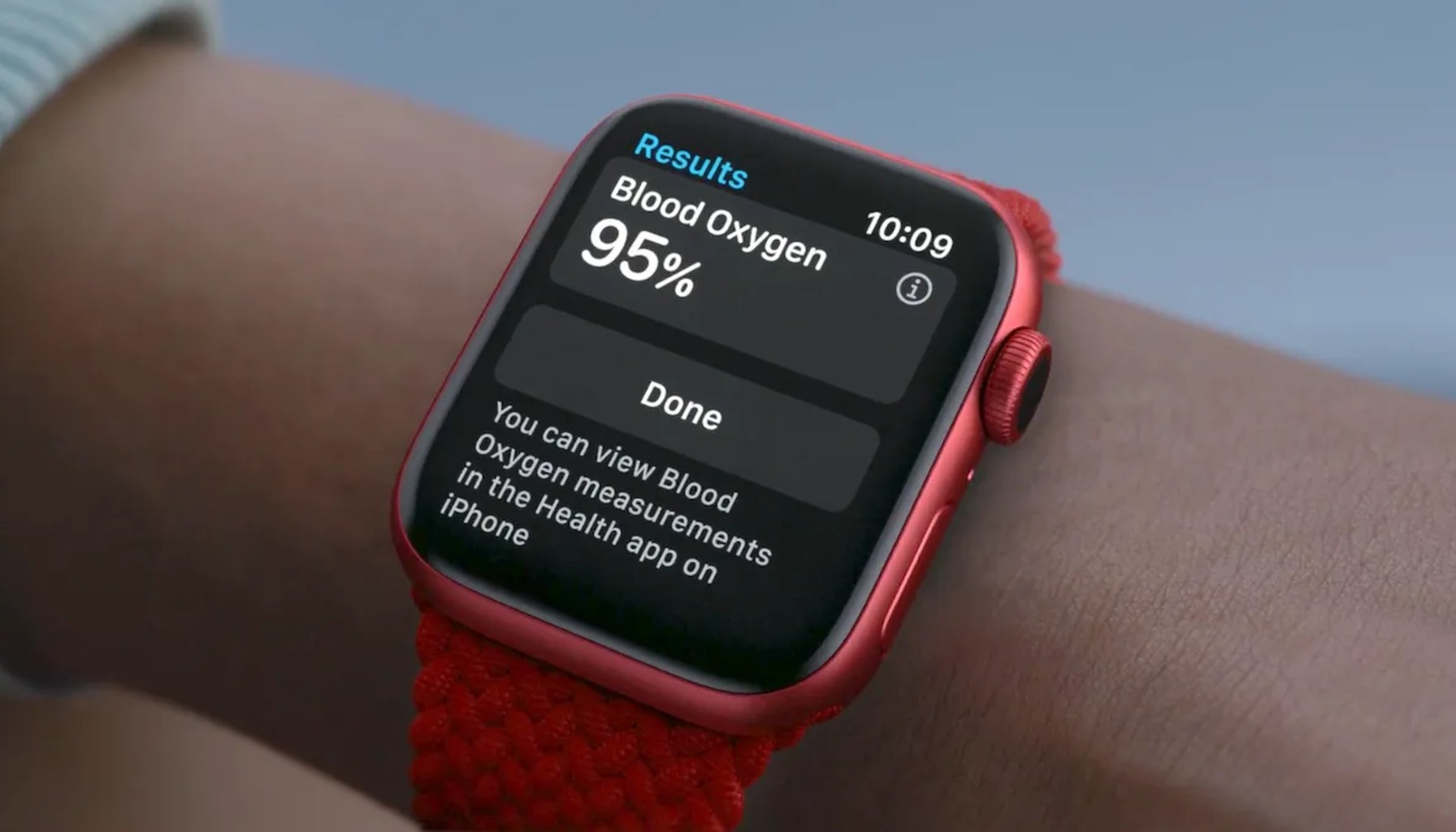
After six years of legal heat, Apple’s blood-oxygen feature stays on the Apple Watch.
The move marks a rare resolution in a long, messy fight over one of the company’s health apps. Apple has repeatedly argued that the SpO2 sensor and related software offer not a medical device but a consumer-facing health insight. Regulators and courts have pushed back at times, questioning the line between wellness data and clinical diagnostics. Now, Apple says the feature will remain available, signaling a potential easing of a drawn-out confrontation and a signal to wearables makers everywhere: health features can survive scrutiny if they’re clearly framed for consumer use, not as substitutes for medical care.
What’s at stake isn’t just one feature, but the broader blueprint for how big tech can translate continuous health monitoring into everyday convenience. Blood oxygen monitoring on smartwatches sits at a tricky boundary: it’s simple enough to read on a wrist, yet its interpretation can carry weight in medical contexts. Apple’s stance has long been that users should view the data as supplementary—it’s not a diagnosis, and it’s not a stand-alone health treatment. The legal saga, the character of which remains partly opaque in public summaries, has nonetheless shaped how Apple markets and positions the feature, as well as how aggressively regulators scrutinize consumer devices that collect physiological signals.
From a consumer-technology perspective, the end of the ban helps restore a more predictable path for wearables rolling out health features. It also underscores a broader trend: the industry’s willingness to push medical-adjacent capabilities into mainstream devices, while bending toward disclaimers, user education, and privacy safeguards. The outcome is a reminder that the value proposition for health features in consumer devices isn’t only about accuracy and usefulness; it’s about how those features are framed, explained, and regulated.
Two-practitioner insights to watch as this story unfolds:
Industry watchers will want to see how Apple communicates the feature across markets with varying regulatory regimes and how this precedent affects competitors, who are watching closely for a license to expand health sensing in their own devices. For now, the immediate takeaway is practical: the blood-oxygen reading stays on the watch, with the promise of continued refinement and cautious optimism about what “health” on a wearable can reasonably offer.
If you own an Apple Watch, this is a nudge to keep expectations measured but informed: you’ll get ongoing access to SpO2 data, with the usual caveats about medical-grade accuracy and the importance of not treating it as a substitute for professional care. The real story here isn’t a single feature staying put; it’s the industry’s recalibrated balance between empowering users with data and acknowledging the obligations that come with health information.
- A Previously Banned Apple Watch Health Feature Is Now Here to Staycnet.com / Source role not classified / Published APR 22, 2026 / Accessed APR 22, 2026