Apple Watch imports dodge second ban
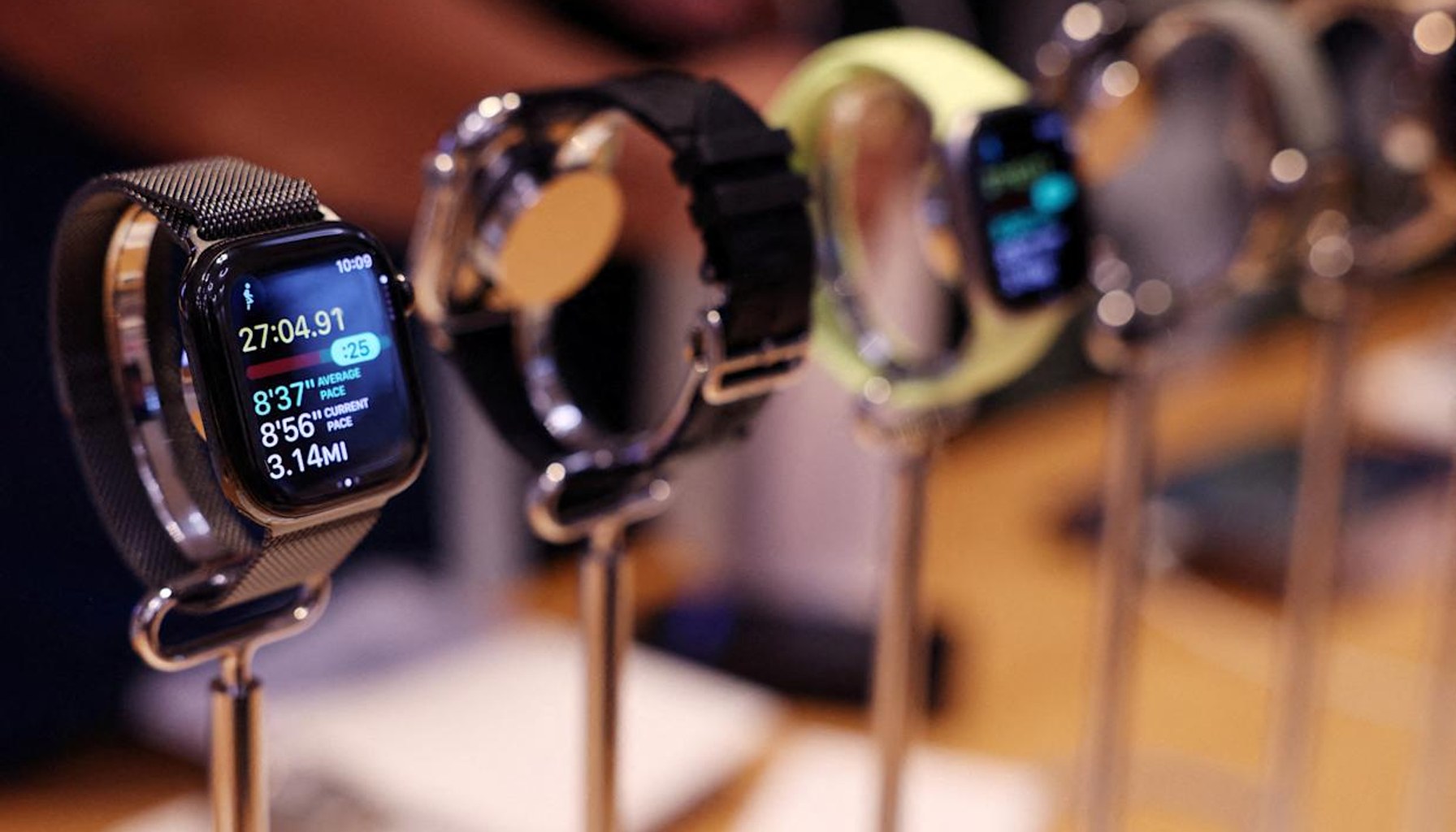
Apple dodged a second import ban on its redesigned Apple Watches, a rare legal pivot that lets the wearables keep selling while the drama with Masimo plays out in court.
The U.S. International Trade Commission terminated the case after a ruling that Apple’s updated blood-oxygen monitoring feature does not infringe Masimo’s patents. The decision relies on a March preliminary finding, which had already tipped the balance in Apple’s favor by deeming the redesigned sensors non-infringing. That set the stage for the ITC to end the import ban bid rather than reinstate it for the newer models.
This is a long and messy feud that began in 2021 when Masimo accused Apple of copying its sensor technology. The ITC’s initial ruling against Apple pressured Cupertino to rework the SpO2 readings on later Apple Watch generations, a change that the agency accepted as non-infringing in the updated lineup. Masimo did not accept that result at the time and pressed for another ban on the refined devices. Today’s decision effectively ends that round of the import ban fight, at least for the moment, though Masimo can pursue an appeal of the ITC outcome.
From a consumer point of view, the ruling matters less for the average shopper than it does for the supply chain and product timeline. The immediate takeaway is continuity: Apple can keep shipping its watches without fearing a sudden wall of gray-market or restricted imports that could disrupt availability. Prices for the watches themselves remain on the company’s standard tiered lineup, with no announced infusion of costs tied to the case. The bigger question, analysts say, is whether Masimo will escalate the dispute and how long the legal tangle could linger in courts or behind the scenes negotiations.
Industry observers note a subtle but meaningful shift in how tech companies approach biosensor patents. The ITC decision underscores a potential pathway for brands to pursue redesigns that differ enough from contested technologies to dodge import bans. It also sharpens Masimo’s incentive to guard its portfolio with broader patent coverage, so that future lockdowns or bans become harder to secure. For Apple, the win reinforces a strategy of iterative hardware tweaks to nudge around litigation while maintaining user-facing accuracy in health-related measurements.
Two practitioner takeaways stand out. First, redesigns matter more than optics suggest. Apple’s approach—altering how the sensor reads data rather than changing the device’s exterior—can alter a patent outcome without reworking the entire product. Second, the cost of legal battles isn’t limited to court filings; they shape product roadmaps and timing. Companies may opt for smaller, legally safer feature updates that preserve user expectations while reducing exposure to injunctions or bans. Finally, the road ahead is uncertain: Masimo can appeal the ITC ruling, and a higher court decision could revisit foundational questions about what constitutes infringement in wearable biosensors.
Masimo’s next move will be telling. An appeal would prolong a high-profile dispute that has already spanned several years and multiple decisions. For consumers, the headline is simple: the retail shelves stay stocked, and the watch you want remains available—at least for now.
- Apple avoids a second import ban for its redesigned smartwatches in latest court rulingengadget.com / Source role not classified / Published APR 18, 2026 / Accessed APR 19, 2026