Cash App Adds Kid Accounts, Parents Manage
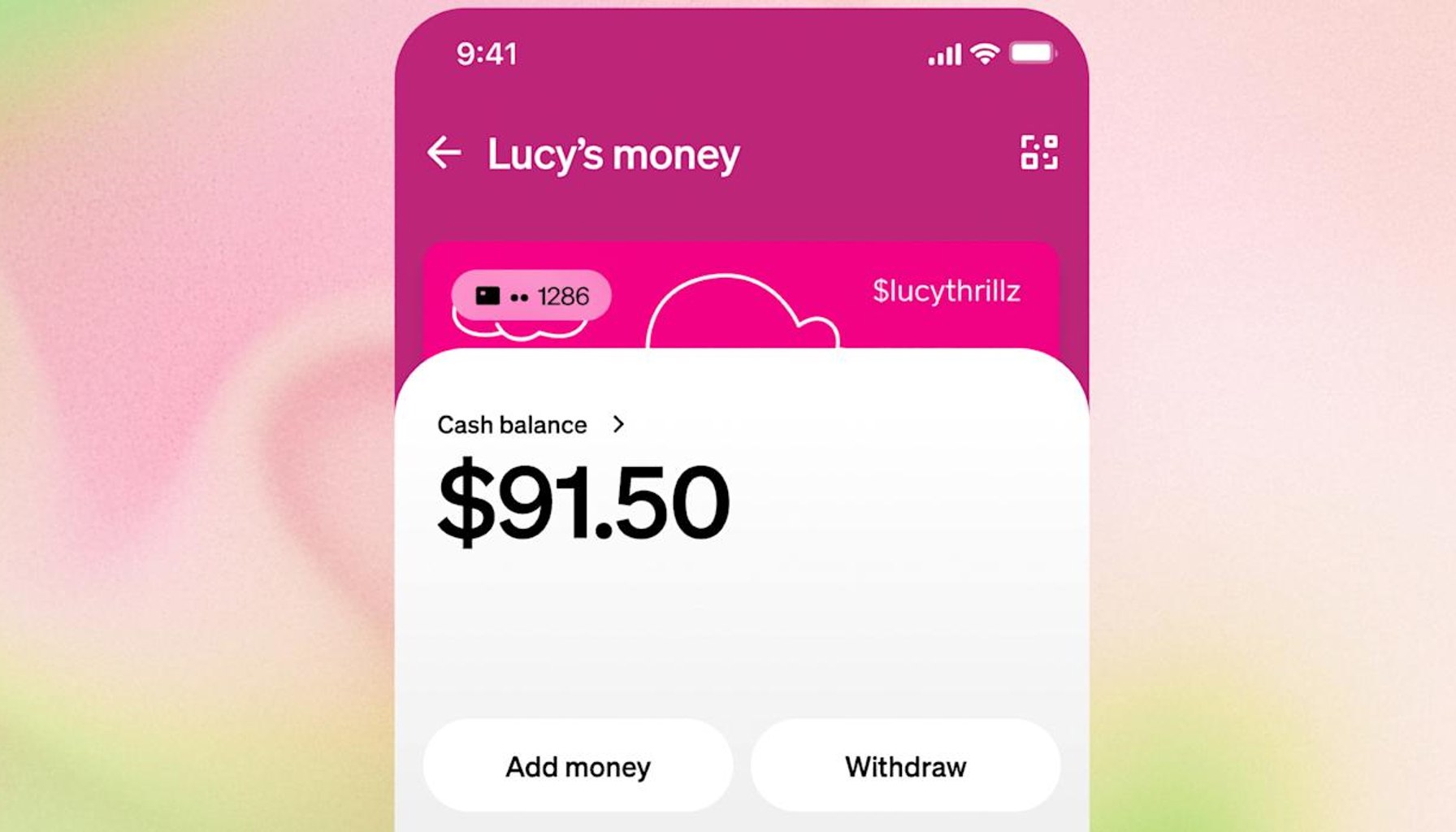
Cash App just turned kids into mini bank customers under mom-and-pop supervision.
Cash App, the Block-owned payments app, is expanding its Cash App Families to include accounts for children aged 6 through 12. Guardians will create and manage these child accounts, which retain much of the normal Cash App experience—allowances, savings goals, and spending tracking—while adding extra protections for young users. Parents can set up recurring transfers, monitor how their child spends, and even lock the account to prevent transactions. The child gets a dedicated debit card and can receive payments from up to five trusted accounts, though they won’t be able to access Cash App itself. The rollout was publicized on April 21, 2026, as part of a broader effort to broaden the family experience on Cash App. The move follows the platform’s earlier expansion to allow teenage users back in 2021, signaling a deliberate push to cultivate financial literacy from a younger age.
For families considering the move, the big question is how it actually works in practice. The new 6–12 accounts sit inside the “Cash App Families” framework, with guardians handling the hierarchy and controls. Parents can introduce their kids to real-world money management—receiving money, watching it accumulate toward goals, and learning to budget—while keeping the kid’s hands off the actual app interface. The design is intentionally shielded from downstream friction: kids get a card and spending tools, while the parent retains a vantage point to intervene if necessary. The 13-year transition to a “sponsored account” hints at a longer arc toward greater independence, though the exact mechanics of that conversion aren’t fully spelled out in the coverage.
From a consumer-ecosystem standpoint, the development is consistent with fintechs’ broader push to normalize money handling for younger ages. A card, a clear set of allowances, and visible spending data can make early financial decisions more concrete than piggy-bank lessons. For parents, the value is straightforward: guardrails, visibility, and a simpler path to teaching habits before adolescence. For kids, the promise is learning—without the social-media-style distractions that often accompany digital wallets on older platforms.
There are legitimate caveats to watch. Pricing and subscription details weren’t disclosed in the reporting, so families can’t assume a no-cost option or any mandatory monthly fee for the kid accounts. That matters because cost structures can undercut the learning objective if fees erode small allowances or savings. The guardrails—such as locking the account—are protective, but they could impede timely learning moments if overused. And while the five-guardian payer model expands flexibility, it could create friction in households with several trusted adults or ambiguous financial boundaries. Finally, data and privacy questions persist: even with parental controls, the child’s spending data lives within Cash App’s ecosystem, a factor families will weigh as kids approach their teens.
In the marketplace, Cash App’s approach stands out for its tight integration with a familiar payments app and a real debit card, offering a simpler route than building budgeting lessons around a separate kid-focused product. The obvious alternative remains a traditional teen account or a separate kid-card service, which may offer different fee structures or more robust parental controls outside a single app. The trade-off is convenience and a unified digital ecosystem versus potentially more granular settings elsewhere.
Verdict: If you want a controlled, age-appropriate doorway into money management now, this is worth trying. If your goal is unmediated autonomy for your child or you’re wary of tying your family finances to one platform, you may want to wait and see how pricing, long-term guardrails, and the 13-year transition unfold.
- Cash App now supports accounts for kids 6-12engadget.com / Source role not classified / Published APR 21, 2026 / Accessed APR 21, 2026